Introduction
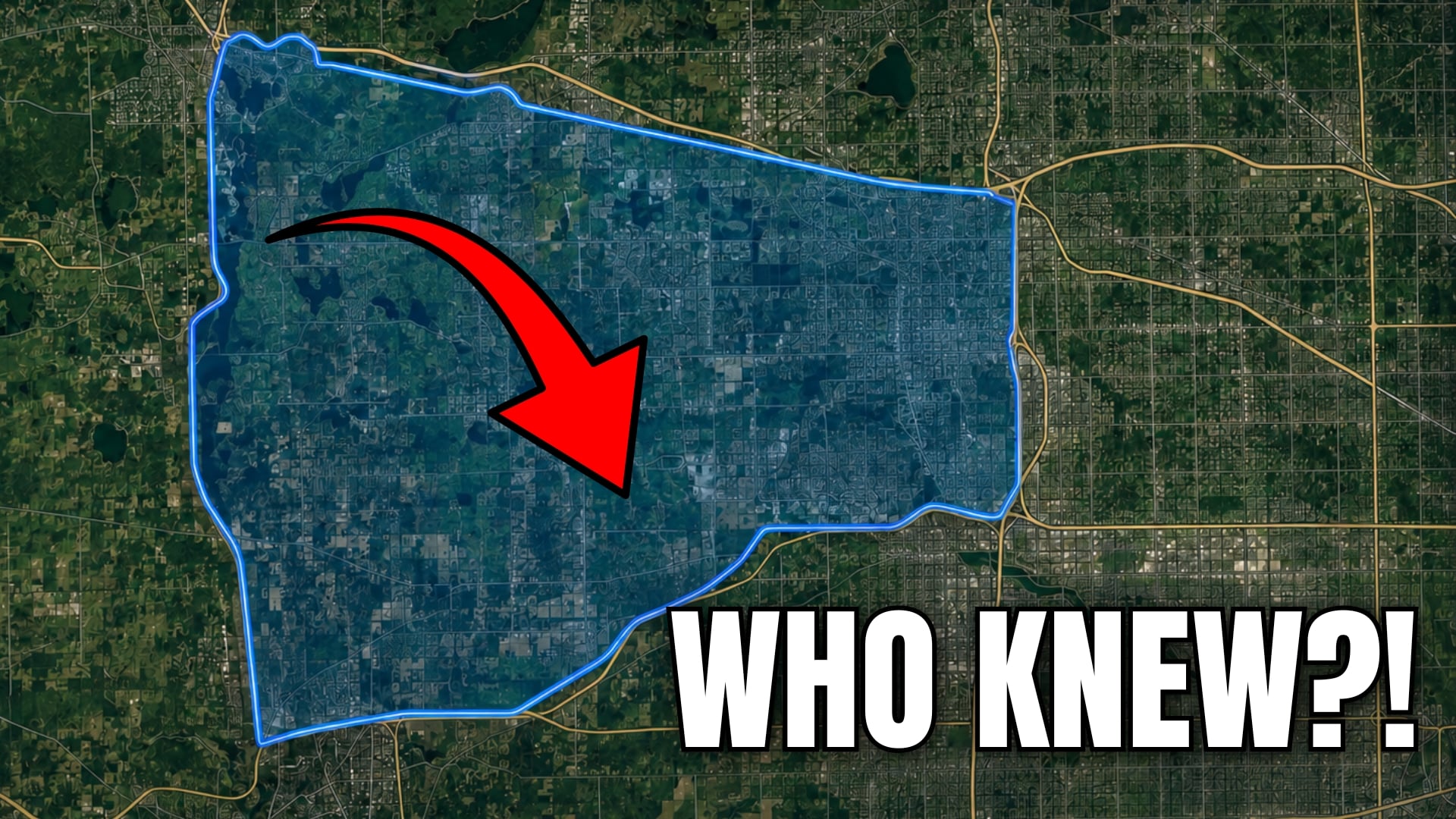
If you're looking for a quieter, more rural setting in southern Michigan, Tekonsha Township might be on your radar.
Located in Calhoun County, this township offers open land, agricultural surroundings, and a slower pace compared to nearby cities like Battle Creek. Many people consider living here for the larger property sizes, lower density, and distance from more heavily developed areas.
At the same time, rural living comes with trade-offs — fewer nearby amenities, longer drives for services, and limited new construction. Let’s break down what you can realistically expect when it comes to cost of living, real estate, taxes, schools, and lifestyle in Tekonsha Township.
Cost of Living in Tekonsha Township, Michigan
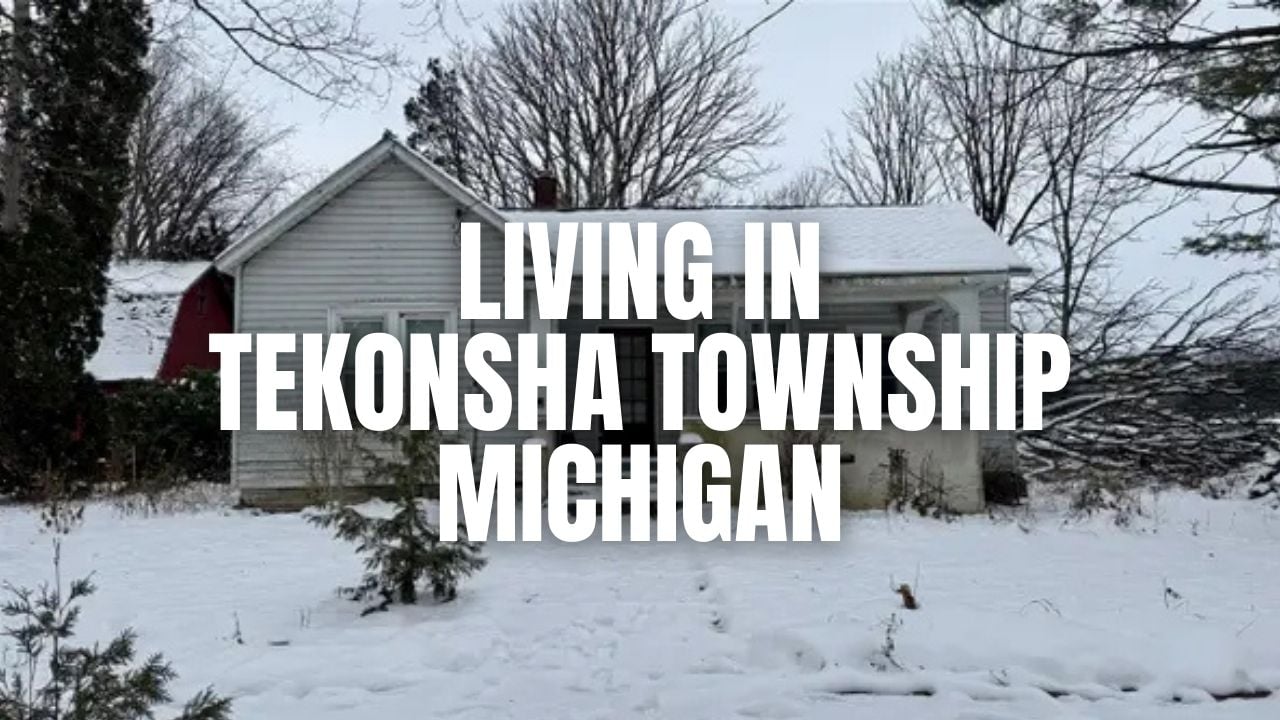
Cost of living in Tekonsha Township is generally lower than both Michigan and national averages, largely due to housing costs.
According to U.S. Census Bureau data, median home values in rural areas of Calhoun County tend to be lower than statewide averages. Niche.com also reflects lower housing costs compared to more urbanized parts of Michigan.
BestPlaces.net reports that overall cost of living in similar rural Michigan communities tends to fall below the national average.
Utilities and transportation costs can vary more widely. While housing may be more affordable, residents often travel longer distances for work, groceries, and services, which can impact transportation expenses. The Bureau of Labor Statistics notes that transportation is a key variable in household spending across the Midwest.
Real Estate & Housing Overview
Housing in Tekonsha Township is largely made up of single-family homes on larger parcels of land.
According to U.S. Census Bureau housing data:
Many homes were built between the 1940s and 1980s
Owner-occupied properties are common
Lot sizes are often significantly larger than suburban averages
You’ll typically find:
Farmhouses and rural homesteads
Ranch-style homes on acreage
Older homes with outbuildings or agricultural features
New construction is limited and typically occurs on individual lots rather than in planned subdivisions.
Local real estate trends, based on MLS data, show relatively stable pricing with lower overall transaction volume compared to urban markets.




Living in Washington Township Michigan: Homes, Cost, Schools, …
Thinking about moving to Washington Township, Michigan?…
A Backyard Pool Retreat in Green Oak Township …
Explore 9925 Timothy Lane in Green Oak…