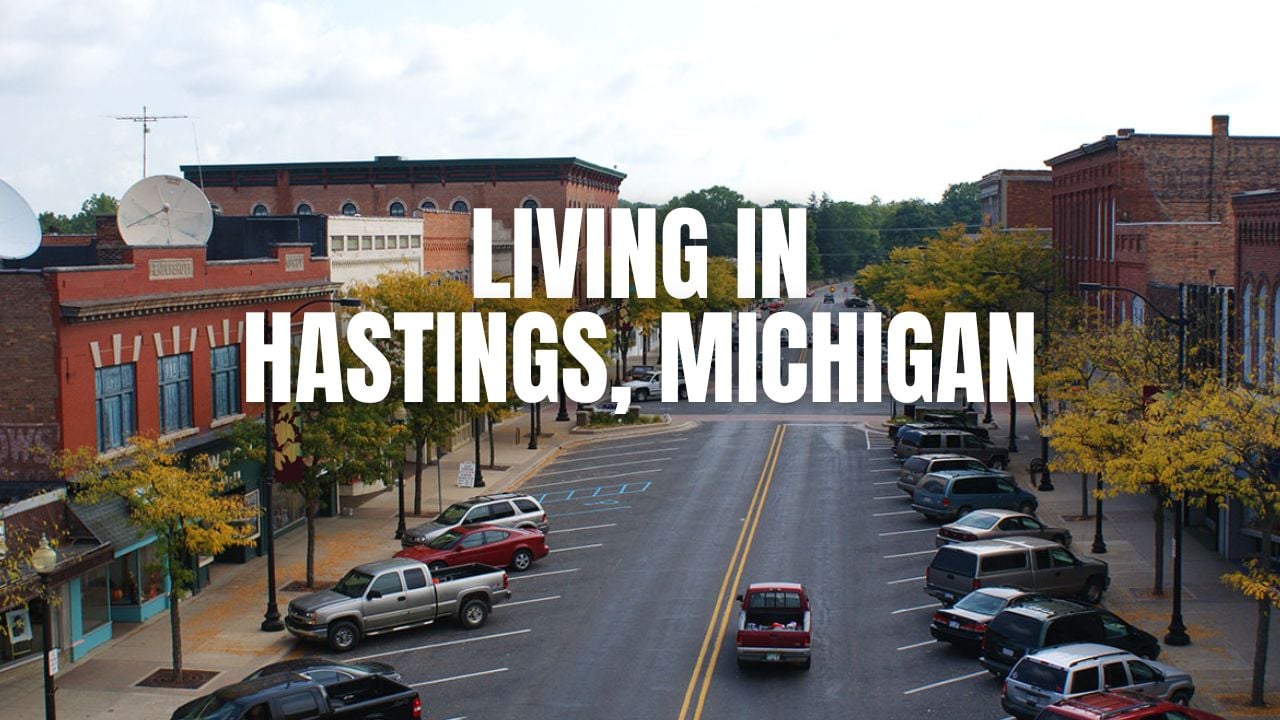
Living in Hastings Michigan offers a small-city experience with more amenities than a rural township, while still maintaining a strong connection to nature and local history. With a population of just over 7,500, Hastings serves as the county seat and only incorporated city in Barry County, making it the central hub for services, culture, and government in a largely rural region.
Many homebuyers are drawn to Hastings because it strikes a balance — it’s not as fast-paced or expensive as larger cities, but it still provides access to grocery stores, healthcare, and community events. Its location between Grand Rapids, Kalamazoo, Lansing, and Battle Creek also makes it appealing for those who need regional access without living directly in a metro area.
That said, there are trade-offs. Hastings does not have direct freeway access or large-scale shopping districts, and public transportation options are limited. Still, for many buyers, the combination of affordability, local amenities, and a strong community identity makes it a compelling option.
What Makes Hastings Different Than Other Places in Michigan?
Hastings stands out primarily because it is the only city in Barry County, a county that is approximately 87% rural. This gives Hastings a unique role as the primary economic, cultural, and administrative center for the entire region.
The city has deep historical roots dating back to 1836, when it was founded along the Thornapple River. It became the county seat in 1843 and officially incorporated as a city in 1871. The Barry County Courthouse, built in 1893 in Late Victorian style, is still in use today and reflects the city’s long-standing importance.
The Thornapple River runs directly through Hastings, shaping both its geography and lifestyle. Residents have access to in-city fishing and paddling, which is uncommon for a city of this size. Hastings also hosts several well-known events, including a three-day jazz festival each April, the Barry-Roubaix cycling race, and the Fair Ground Festival, along with the Hastings Live summer concert series.
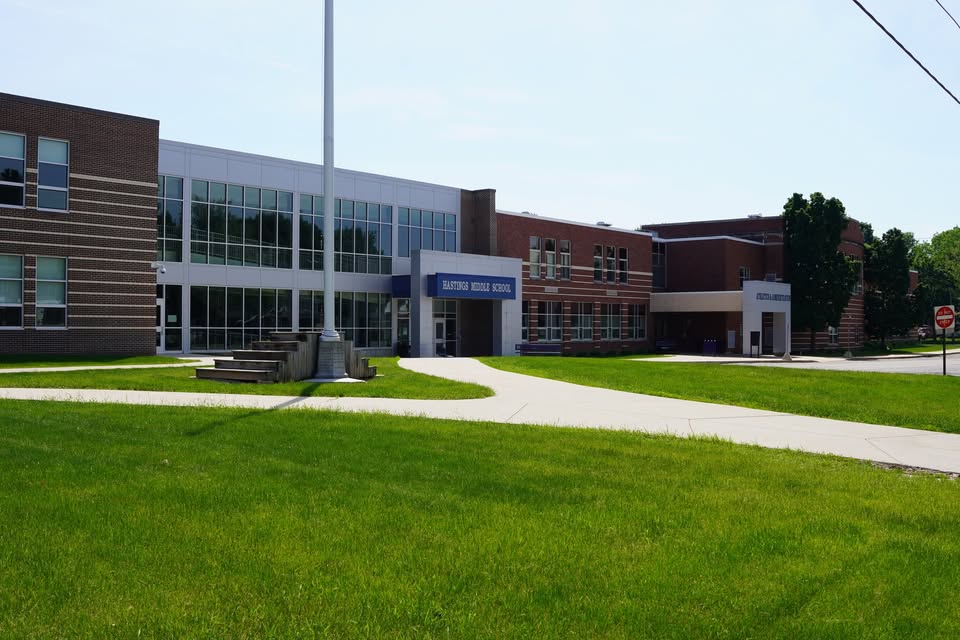
Another distinguishing feature is access to higher education. Kellogg Community College operates a regional campus at the Fehsenfeld Center in Hastings, offering local college opportunities that are not typically found in smaller cities.
Cost of Living in Hastings
The cost of living index in Hastings is 94.2, which is 5.8% lower than the U.S. average of 100 and about 3.0% lower than the Michigan average. This indicates that Hastings is generally more affordable than many parts of the country. This lower cost structure is one of the main reasons people consider moving to the area, especially those looking for a balance between affordability and access to essential services.Real Estate & Housing Overview in Hastings
Housing Market Overview
Hastings has a more active housing market than smaller villages or townships due to its role as a county seat. While still relatively modest compared to large cities, the market offers a range of options for buyers at different price points.Types of Homes
The housing stock in Hastings includes single-family homes, historic properties near the downtown area, and newer developments on the outskirts. Homes near the Thornapple River and in established neighborhoods are common.Price Range & Affordability
The Zillow Home Value Index (ZHVI) for Hastings is $203,523 (data through July 31, 2023). More recent Zillow listings in 2026 show typical values ranging from approximately $200,087 to $202,721.- Entry-level homes are generally priced below the $200K range.
- Mid-range homes cluster around the $200K–$203K range.
- Upper-tier homes exceed this range, often featuring larger square footage or more desirable locations.
Market Activity
Redfin has not published a specific market report for Hastings, Michigan. Available Redfin data references Hastings, Minnesota, which is not applicable. As a result, buyers should rely on local listings and agent insight for current conditions.Development Trends
Hastings continues to function as a regional hub, but it has not seen the level of rapid development typical of suburban areas near major cities. Growth is steady, with a mix of preservation and incremental expansion.Ownership Experience
Homeownership in Hastings offers a balance between convenience and affordability. Residents have access to grocery stores, healthcare, and schools within the city, while still enjoying a quieter environment than larger urban centers. Michigan Home For Sale Here With This Link - Browse available homes in Michigan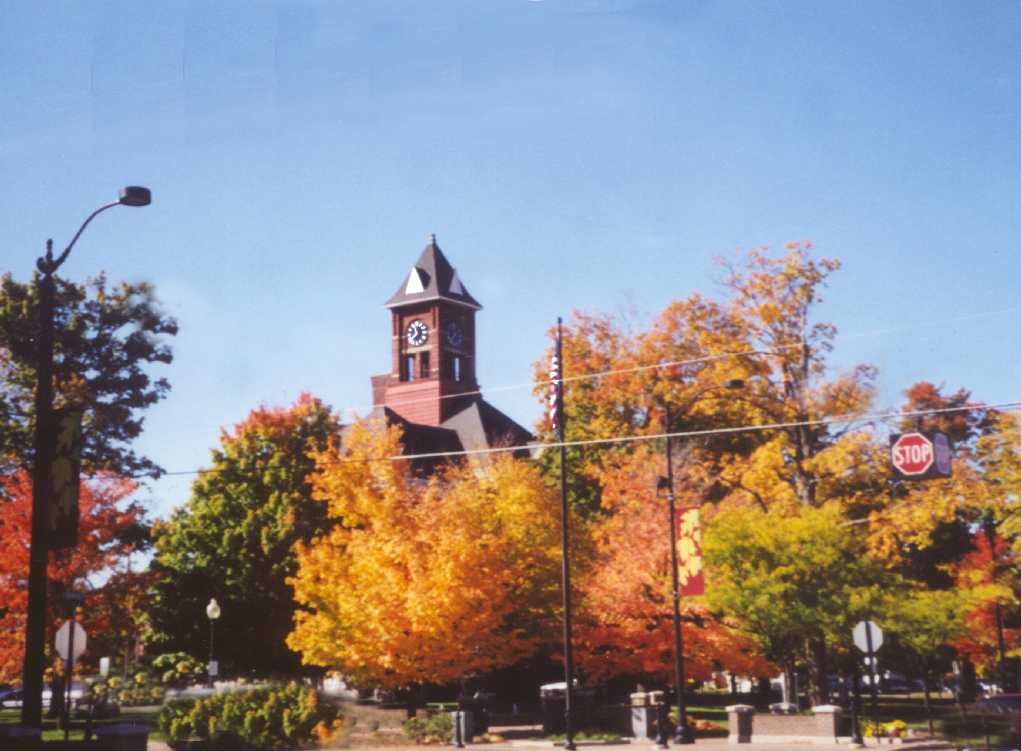

Check Out the EXCLUSIVE "Living In Michigan" Apparel HERE
Living in Washington Township Michigan: Homes, Cost, Schools, …
Thinking about moving to Washington Township, Michigan?…
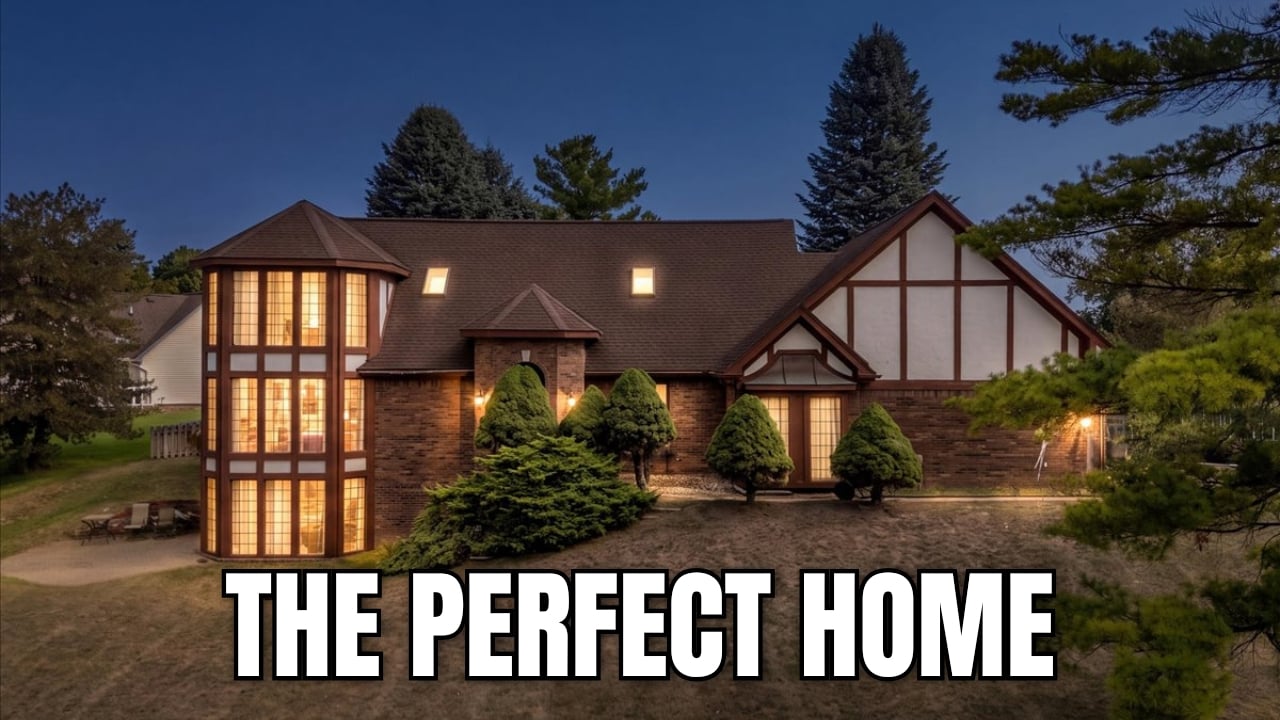
A Backyard Pool Retreat in Green Oak Township …
Explore 9925 Timothy Lane in Green Oak…