
Living in Walker Michigan offers a suburban lifestyle just minutes from one of the state’s most dynamic cities. Located right next to Grand Rapids, Walker provides a quieter residential environment while still keeping you close to jobs, healthcare, shopping, and entertainment. With a population of 25,132 according to the 2020 U.S. Census, it’s large enough to have full amenities but small enough to feel manageable and community-oriented.
Many people are drawn to Walker because of its proximity to Grand Rapids, access to major highways, and strong local economy tied to major employers headquartered right in the city. The area blends suburban convenience with access to nature, thanks to nearby parks and the Grand River forming its eastern border.
That said, Walker is not a standalone urban center. Its identity is closely tied to Grand Rapids, which means residents often rely on the neighboring city for major employers, nightlife, and specialized services. For many buyers, that trade-off is exactly the appeal—but it’s important to understand going in.
What Makes Walker Michigan Different Than Other Places in Michigan?
Walker stands out primarily because of its economic significance relative to its size. It is home to the global headquarters of Meijer, Inc., a major supercenter retailer founded in 1934, as well as BISSELL Homecare, Inc., a company with over 100 years of history in floor care products. Few suburban cities in Michigan host corporations of this scale.
The city also has deep historical roots. Originally organized as Walker Township in 1837, it was the second township established in Kent County and once included all land north of the Grand River. It became an official city in 1962 to prevent annexation by Grand Rapids, which shaped its current boundaries and independence.
Geographically, Walker benefits from the Grand River forming its eastern edge, and historically the area supported industries like lumbering, farming, plaster mining, and sand mining. Oil deposits were also discovered locally, adding to its industrial past.
Another unique element is the former DeltaPlex Arena, which once hosted the Grand Rapids Gold, an NBA G League team affiliated with the Denver Nuggets. While the arena is now closed or repurposed, it remains part of the city’s recent history.
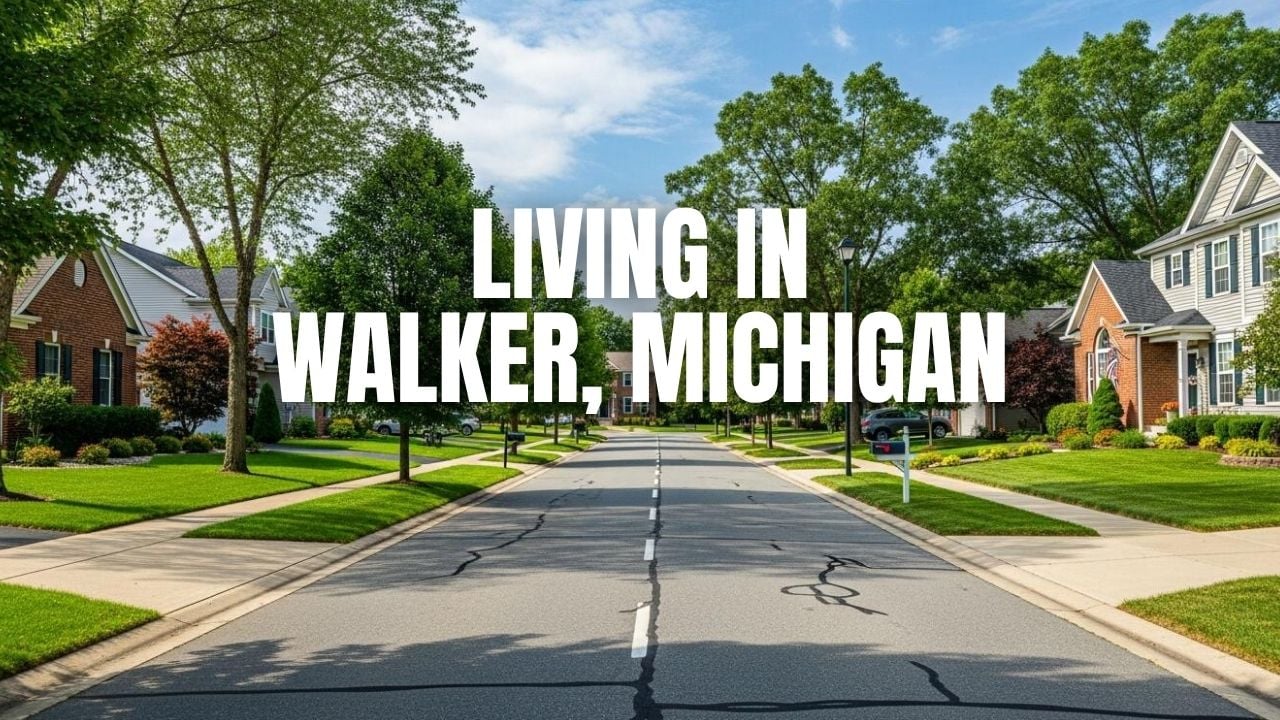
Cost of Living in Walker
In the absence of a Walker-specific score, cost of living estimates are based on the broader Grand Rapids metro area. Based on that data, the cost of living index is approximately 94.5, which is about 5.5% below the national average (U.S. baseline = 100). This suggests that overall expenses such as housing, groceries, and transportation are generally more affordable than in many parts of the country, particularly when compared to larger metro areas.Real Estate & Housing Overview in Walker
Housing Market Overview
The housing market in Walker reflects its role as a suburban extension of Grand Rapids. Buyers can expect a mix of established neighborhoods and newer developments, with demand influenced by proximity to major employers and commuter routes.Types of Homes
Housing in Walker primarily consists of single-family homes, with a range of styles from older mid-century builds to more modern suburban constructions. Given its suburban layout, homes often come with more space compared to properties closer to downtown Grand Rapids.Price Range & Affordability
The median home price in Walker is approximately $316,458 based on Zillow data (2026). Listings may range slightly higher depending on the snapshot, with figures reaching around $339,216.- Entry-level homes typically fall below the median price point
- Mid-range homes cluster around the $316,000 mark
- Higher-end homes exceed $339,000 depending on size and location
Market Activity
Even without specific Redfin data, Walker’s housing market closely tracks broader Grand Rapids trends, with ongoing demand supported by its location and employment accessibility.Development Trends
Walker continues to develop as part of the expanding Grand Rapids metro. Its commercial corridors, particularly along Alpine Avenue (M-37), support ongoing retail and service growth, which in turn supports residential demand.Ownership Experience
Owning a home in Walker offers a balance of suburban living with access to city-level amenities. Residents benefit from nearby healthcare, retail, and infrastructure while maintaining a quieter residential environment. Michigan Home For Sale Here With This Link - https://livinginmichigan.com/properties/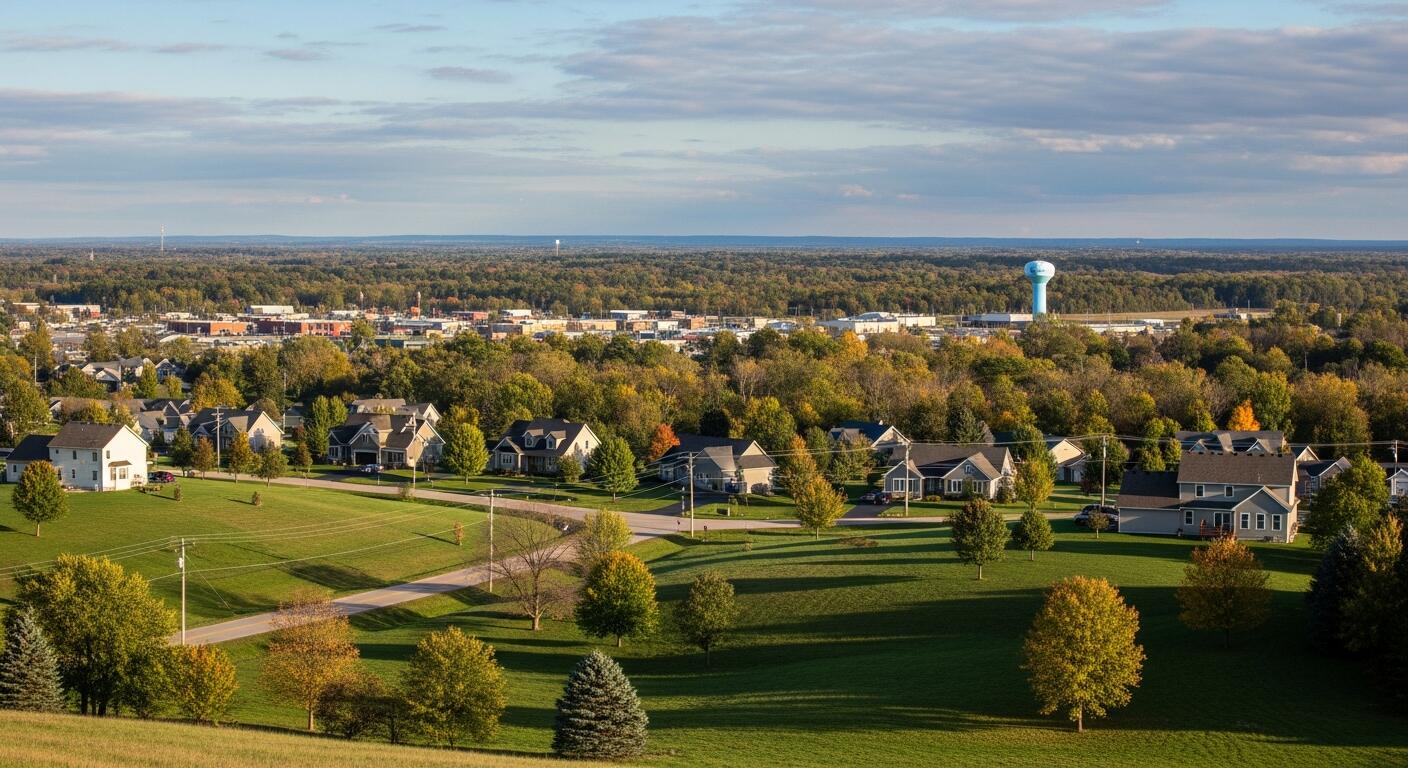

Check Out the EXCLUSIVE "Living In Michigan" Apparel HERE

Michigan's FASTEST Growing Towns Are Losing Value (Here's …
Michigan is growing, but home prices are…
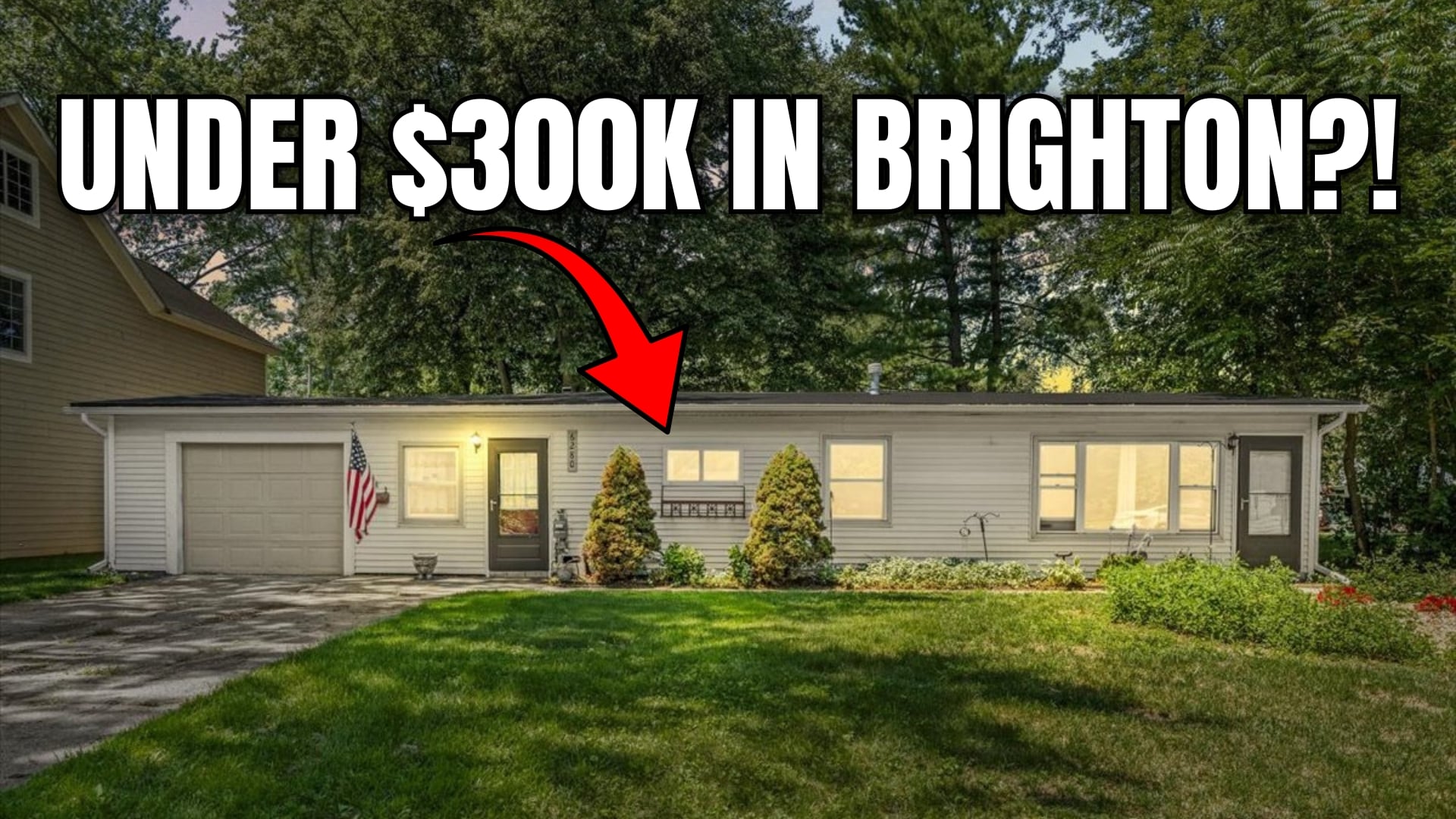
The Most Connected Home in Brighton, Michigan | …
6280 Beth Rd, Brighton, MI: move-in-ready 3-bed,…