Introduction
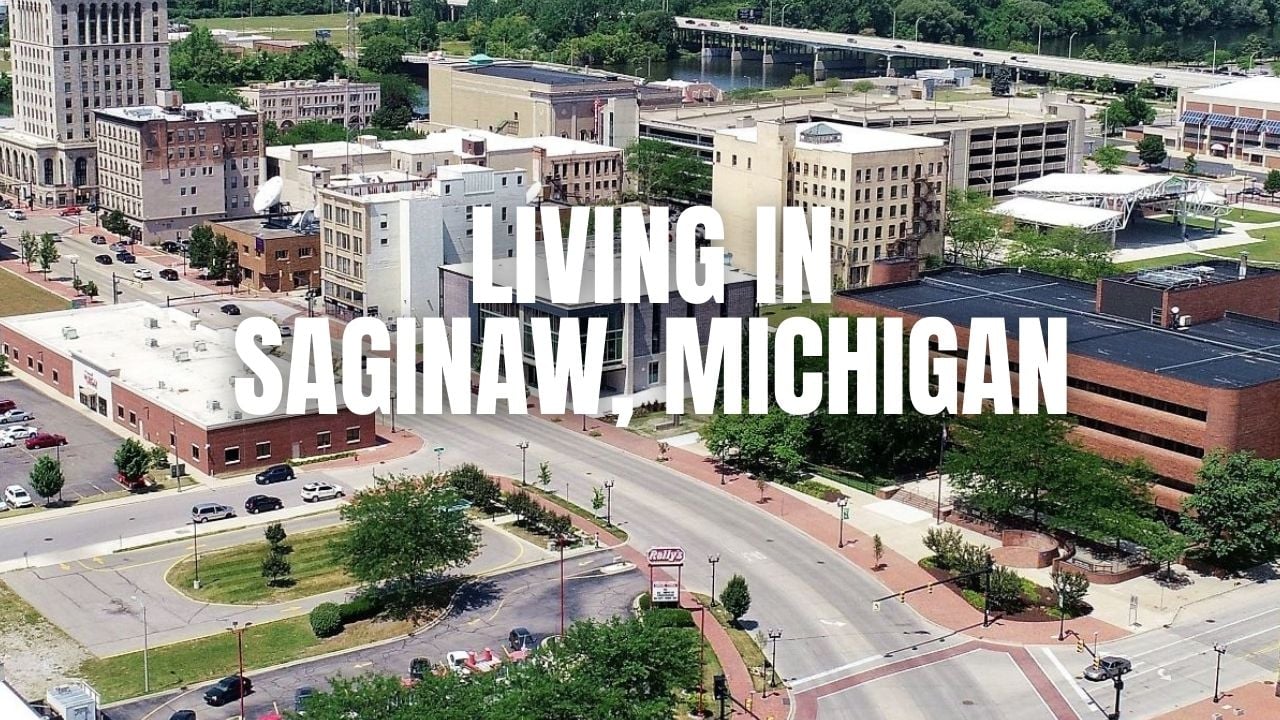
If you’re exploring Michigan cities that combine affordability, historic character, and access to outdoor recreation, Saginaw, Michigan is one that often comes up in conversation.
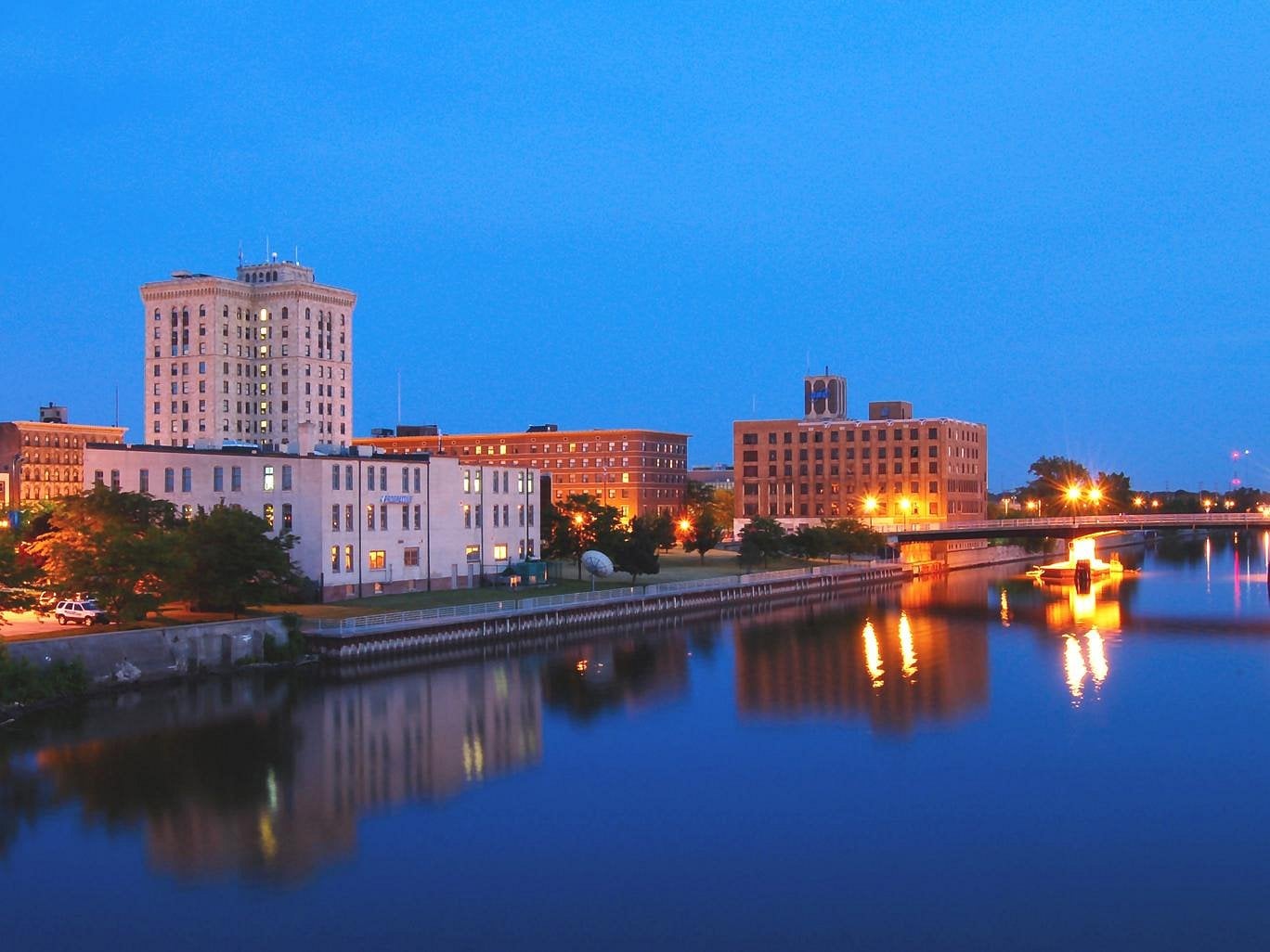
Located along the Saginaw River, this city has deep industrial roots and remains an important part of Michigan’s Great Lakes Bay Region. Many people consider Saginaw for its lower housing costs compared to larger Michigan cities, along with its parks, cultural venues, and access to nearby communities like Midland and Bay City.
Like any city, Saginaw offers a mix of benefits and trade-offs. This guide will walk through housing, cost of living, lifestyle, schools, and everyday realities so you can make an informed decision.
Cost of Living in Saginaw, Michigan
One of the most notable aspects of Saginaw is its relatively low housing cost.
According to U.S. Census Bureau data, median home values in Saginaw are significantly lower than the national average. Niche.com also reports that housing costs in Saginaw are below the Michigan statewide average.
BestPlaces.net indicates that Saginaw’s overall cost of living index is below both Michigan and national averages, particularly in housing and utilities.
The Bureau of Labor Statistics reports that housing and transportation are among the largest household expenses nationally, and Saginaw’s lower housing costs can influence overall affordability.
Utility costs and transportation expenses generally align with Midwest regional averages.
Real Estate & Housing Overview
Saginaw’s housing market includes a large number of historic homes alongside mid-century and newer properties.
According to the U.S. Census Bureau housing data:
Many homes were built between 1920 and 1970
Detached single-family homes are the most common property type
Owner-occupied housing makes up a significant portion of the housing stock
You’ll commonly find:
Historic two-story homes
Ranch-style homes built in the mid-1900s
Smaller starter homes
Some newer homes in suburban-style areas on the outskirts
MLS listings show consistent activity, though the market is smaller than in Michigan’s largest metro areas.
Because of the city’s age and development history, housing styles vary widely from neighborhood to neighborhood.




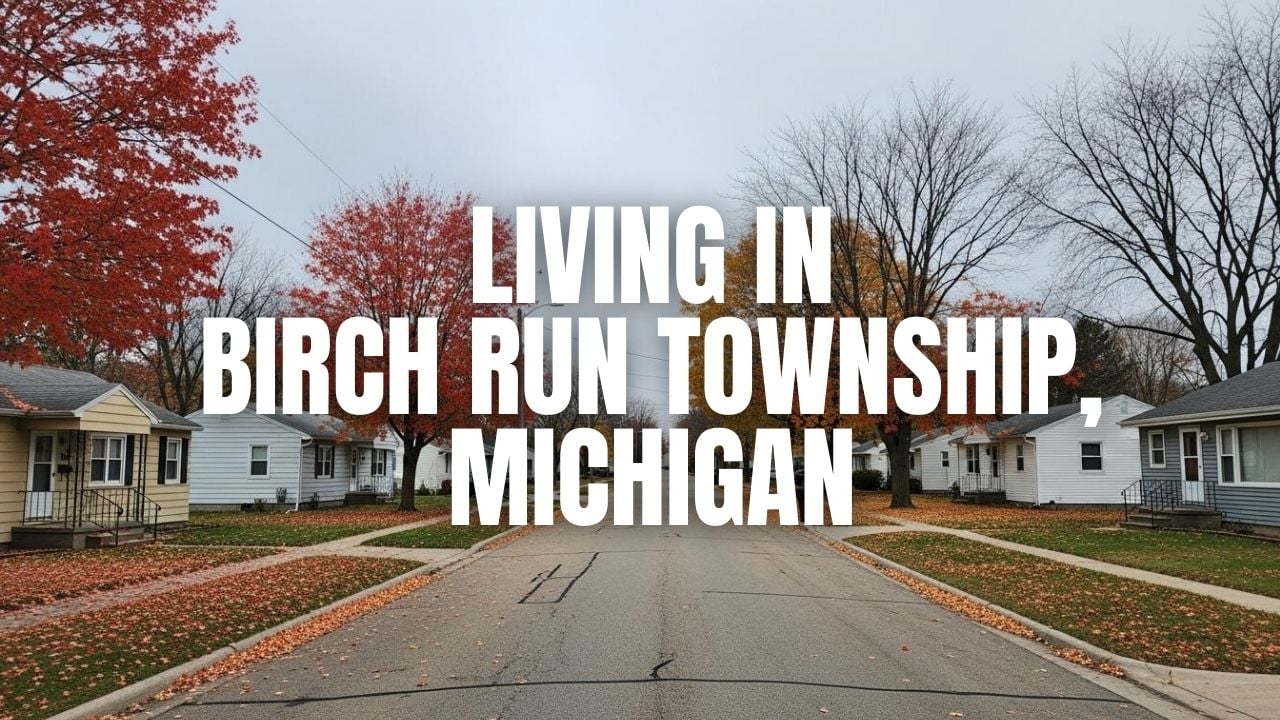
Birch Run Township, Michigan Living Guide: Housing Market, …
Birch Run Township, Michigan is known for…
Albee Township, Michigan: Best Neighborhood Pockets + Pros/Cons …
Albee Township, Michigan is a rural community…
Zilwaukee, Michigan: What It’s Like to Live Here …
Zilwaukee, Michigan is a small city located…