Introduction
If you’re looking for open space, minimal traffic, and a slower pace of life, Albee Township, Michigan may catch your attention.
Located in Saginaw County, this rural township offers agricultural surroundings and wide-open properties rather than dense subdivisions or busy commercial corridors. It’s the kind of place where you’re more likely to hear farm equipment in the distance than rush-hour traffic.
That said, rural living comes with trade-offs. In this guide, we’ll walk through what it’s like to live in Albee Township — including housing, cost considerations, schools, taxes, and lifestyle — so you can decide whether it aligns with your goals.
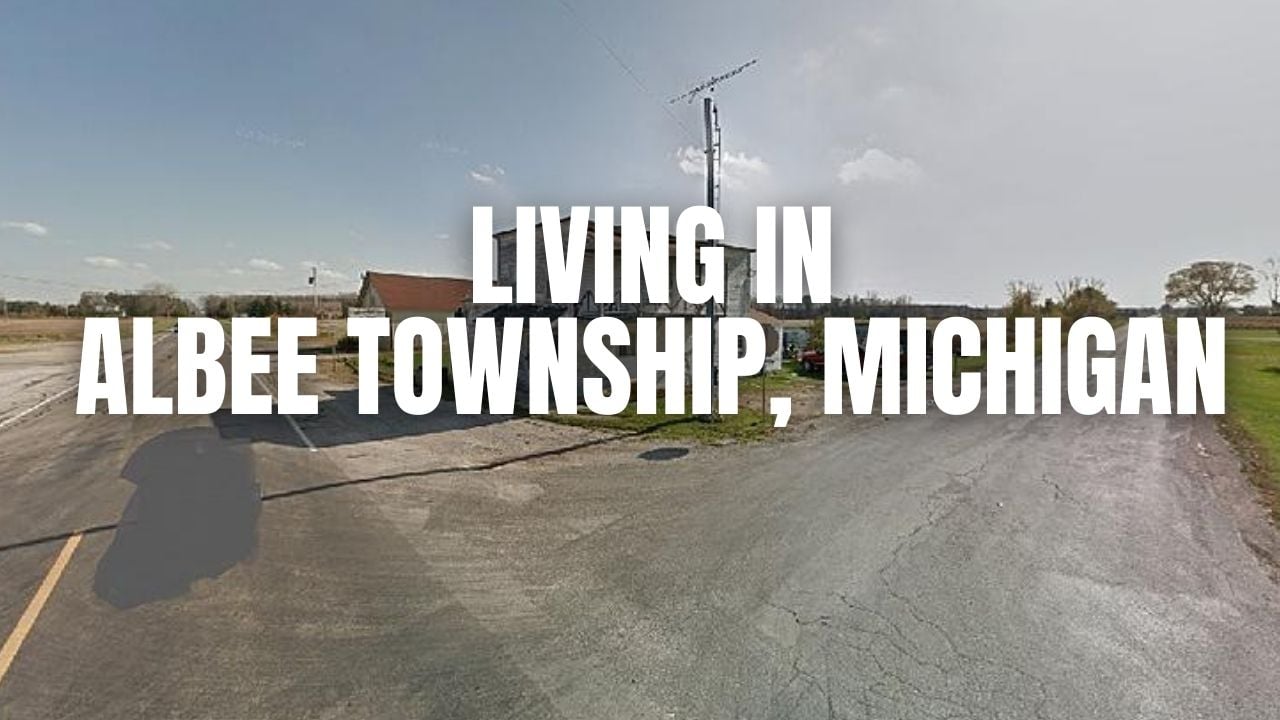
Cost of Living in Albee Township, Michigan
Because Albee Township is primarily rural, housing costs tend to reflect land value and property size rather than dense subdivision pricing.
According to U.S. Census Bureau data, housing in rural Saginaw County areas typically includes owner-occupied single-family homes on larger parcels.
BestPlaces.net reports that Saginaw County’s overall cost of living is below the national average. Housing costs in rural portions of the county, including Albee Township, are generally lower than many suburban Metro Detroit communities.
Utilities and transportation costs align with broader Midwest averages, according to the Bureau of Labor Statistics. However, transportation expenses may vary since most residents rely on personal vehicles for commuting.
Because inventory in small townships is limited, pricing can fluctuate based on land size, home condition, and availability.
Real Estate & Housing Overview
Housing in Albee Township is primarily made up of single-family homes, farmhouses, and properties with acreage.
Based on U.S. Census Bureau housing age data for rural Saginaw County:
Many homes were built between the 1940s and 1990s
New construction exists but is limited compared to suburban growth corridors
Lot sizes are typically larger than city or suburban neighborhoods
You’ll often find:
Ranch-style homes on multiple acres
Traditional farmhouses
Modular or manufactured homes on rural parcels
Because the township does not have large-scale residential subdivisions, housing inventory tends to be smaller and more varied in style.
Local MLS data typically shows lower transaction volume compared to nearby cities, which is expected for a township of this size.




Michigan's FASTEST Growing Towns Are Losing Value (Here's …
Michigan is growing, but home prices are…
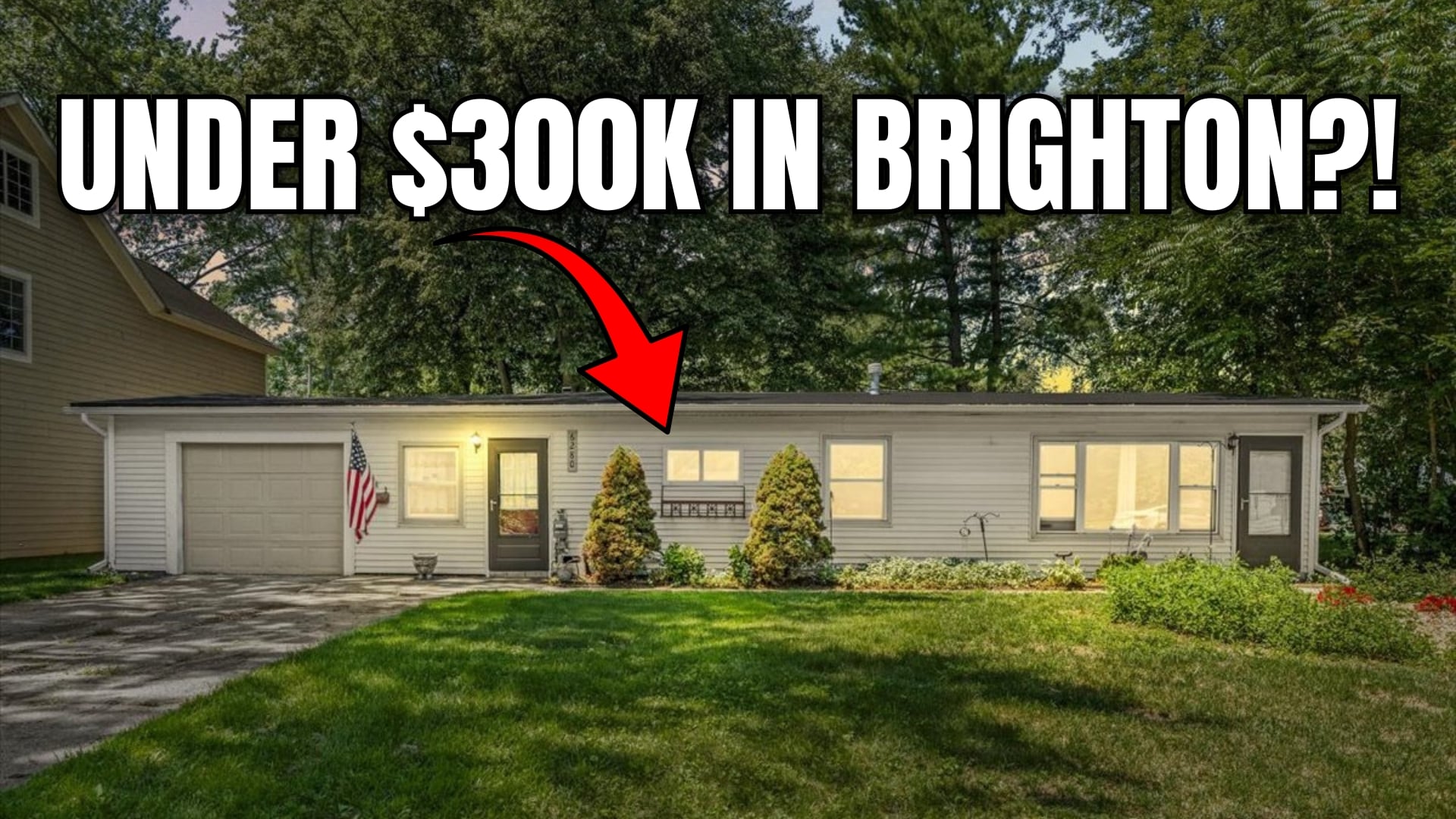
The Most Connected Home in Brighton, Michigan | …
6280 Beth Rd, Brighton, MI: move-in-ready 3-bed,…