Michigan's FASTEST Growing Towns Are Losing Value (Here's What The Data Says)
Where Michigan Is Growing and Why Home Prices Do Not Always Follow Population
Michigan added approximately 56,000 residents between 2020 and 2025. That sounds like a clear growth story, but the statewide number hides a much more complicated housing market.
Twenty six of Michigan’s 83 counties lost residents during the same period. The fastest growing county was not Oakland County, Kent County, or another major population center. It was Lake County, a rural county with roughly 13,000 residents.
Meanwhile, some Michigan communities losing population still experienced substantial home price growth. Other fast growing communities saw prices flatten or fall.
That does not mean the Michigan housing market makes no sense. It means Michigan does not have one housing market. Population growth, housing supply, home price tier, interest rates, new construction, and local demand all interact differently from one community to the next.
This guide explains where Michigan’s population is growing, which communities are shrinking, how home prices are responding, and what buyers and sellers should understand before making decisions based on a single headline or ranking.
Is Michigan’s Population Growing in 2026?
Michigan has a population of approximately 10.1 million people and grew about 0.6 percent between 2020 and 2025.
That is modest growth, but the reason behind it matters. Deaths outnumbered births in Michigan during each of the past five years. That means the state’s overall growth came from people moving into Michigan from other states and countries.
In 2025, Michigan gained more residents from other states than it lost for the first time in approximately 35 years.
The increase was not enormous, but it represented an important change in direction after decades of Michigan regularly losing residents to states such as Florida, Texas, North Carolina, and South Carolina.
Why Population Growth Matters to the Michigan Housing Market
Population growth affects housing because people create demand.
When more residents move into an area, demand for homes, apartments, services, schools, and infrastructure usually increases. Builders may respond by adding housing, and existing home prices may strengthen when demand outpaces supply.
When residents leave, buyers may expect inventory to sit longer and prices to soften. However, that does not always happen.
A shrinking population can still produce rising home prices when the available homes sit within an affordable price range and the supply of homes for sale remains limited.
That is why population data should be treated as one piece of the housing market rather than the entire explanation.
Kent County and Grand Rapids Lead Michigan in Total Population Growth
Kent County, home to Grand Rapids, added nearly 17,000 residents between 2020 and 2025. That was the largest numerical increase of any Michigan county.
Grand Rapids also crossed the 200,000 population mark, reaching approximately 201,000 residents.
This population increase helps explain why the Grand Rapids housing market remains highly competitive. Thousands of additional residents need housing, while desirable homes in established neighborhoods remain limited.
West Michigan continues to attract residents because of employment opportunities, healthcare, manufacturing, colleges, recreation, and the quality of life throughout the Grand Rapids region.
Why Grand Rapids Michigan Homes Remain Competitive
Grand Rapids combines population growth with persistent housing demand. When new residents enter the market faster than housing can be added, competition increases for existing homes.
Buyers searching in Grand Rapids should prepare for local differences between the city itself and nearby communities such as Ada, Cascade, Rockford, Grandville, Byron Center, Hudsonville, and Kentwood.
The Grand Rapids region is not one uniform market. Prices, property taxes, school districts, inventory, and competition can change significantly within a short drive.
Northern Michigan Is Growing Faster Than the State Overall
The 39 counties commonly considered Northern Michigan added nearly 13,000 residents between 2020 and 2025.
That represents growth of approximately 1.5 percent, more than twice Michigan’s overall growth rate.
Lake County led the state with population growth of roughly 9 percent. Other areas in and around Traverse City, Northwest Michigan, and popular recreation corridors have also experienced sustained demand.
Remote work, second home ownership, retirement moves, recreation, and lifestyle migration have all contributed to Northern Michigan’s appeal.
Northern Michigan Housing Shortage and Traverse City Home Prices
Population growth in Northern Michigan is colliding with a housing shortage.
One housing study estimated that the 10 county region surrounding Traverse City would need approximately 30,000 additional housing units by 2027 to satisfy demand. Only about 7,600 units had been added since 2020.
When housing construction falls far behind demand, buyers compete for a limited number of homes. That pressure can raise prices and make affordability more difficult for both relocating buyers and longtime residents.
Buyers considering Traverse City, Leelanau County, Grand Traverse County, or other parts of Northern Michigan should research year round inventory, seasonal demand, short term rental rules, property taxes, winter access, and internet availability before making a move.
What Are the Fastest Growing Communities in Michigan?
The fastest growing Michigan communities include a mix of Metro Detroit suburbs, West Michigan townships, and communities in Northern Michigan and the Upper Peninsula.
Among the fastest growing areas are:
- Lyon Township in Oakland County
- Holland Township in Ottawa County
- Byron Township in Kent County
- Gaines Township in Kent County
- Auburn Hills in Oakland County
- Highland Township in Oakland County
- Commerce Township in Oakland County
- Chesterfield Township in Macomb County
- Macomb Township in Macomb County
- Marquette in the Upper Peninsula
These communities do not all share the same housing market. Some have extensive new construction, some offer more rural land, some benefit from major employers, and others attract residents through recreation and lifestyle.
Lyon Township Michigan Population Growth and Home Prices
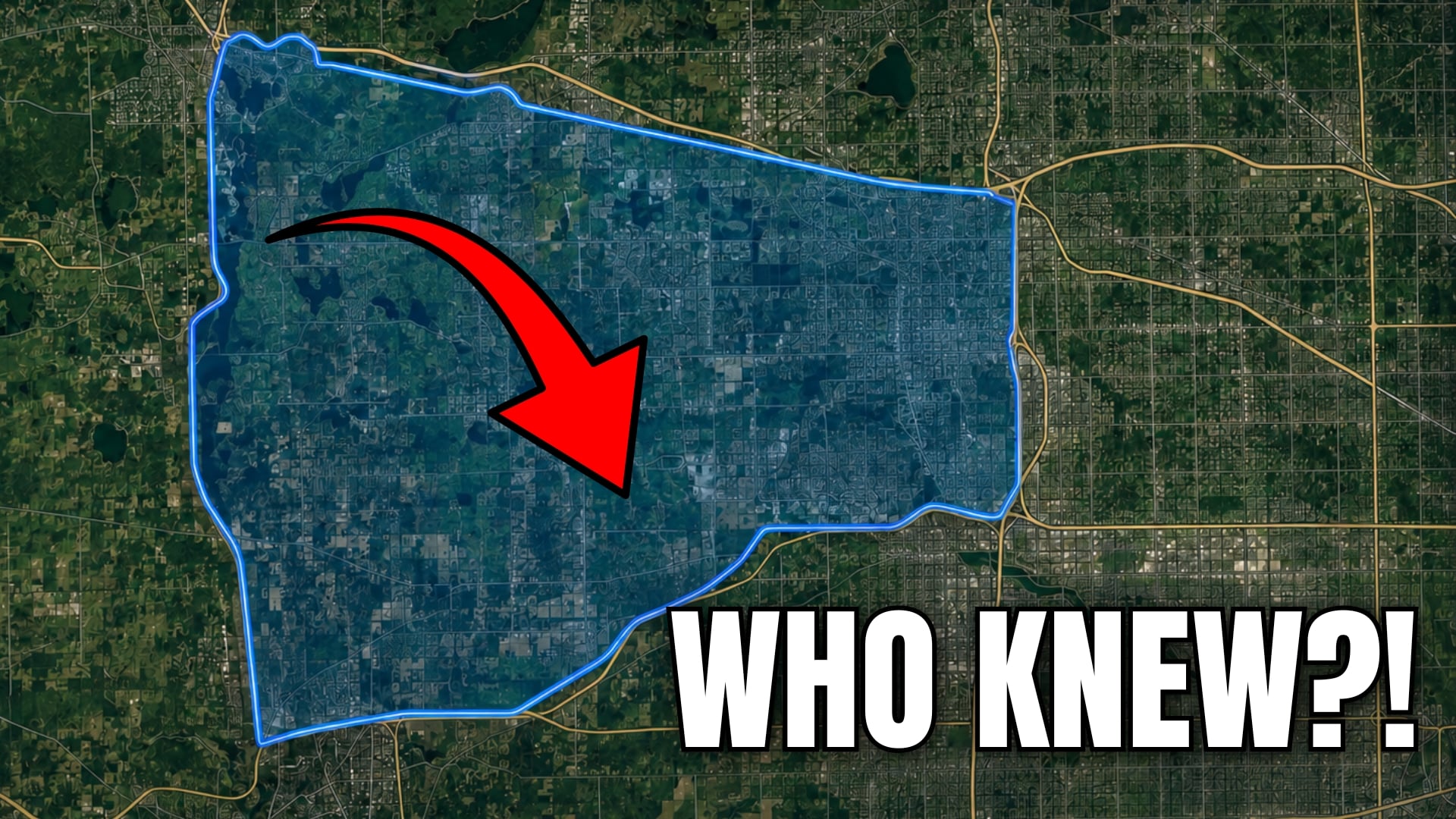
Lyon Township in southwest Oakland County grew approximately 15.5 percent, making it one of the fastest growing communities in Michigan.
The township has experienced substantial residential construction because of its location along I 96, access to Novi, Ann Arbor, Brighton, Wixom, and Detroit, and the availability of land for larger subdivisions.
Despite its population growth, Lyon Township’s median sale price was around $550,000 and had declined approximately 2.7 percent year over year in the data reviewed for this article.
That may appear contradictory, but rapid growth can produce more housing supply. New construction gives buyers additional options and can reduce the pressure on resale prices, particularly in higher price ranges affected by mortgage rates.
Why Lyon Township Home Prices Can Fall While Population Grows
Population growth does not automatically create immediate home price growth.
Lyon Township has a relatively high median home price compared with many Metro Detroit communities. Higher priced homes are generally more sensitive to mortgage rates because monthly payments increase more sharply as borrowing costs rise.
The township also has more new construction than many older inner ring communities. Additional inventory can reduce competition even while the number of residents increases.
Lyon Township had approximately 2.6 months of housing supply in the data reviewed. That remains below the five to six months commonly associated with a balanced market, but it gives buyers more choice than they had during the most competitive years.
Commerce Township Michigan Population Growth and Home Prices
Commerce Township was also among Michigan’s fastest growing communities, yet its median home price declined nearly 6 percent year over year in the data reviewed.
Like Lyon Township, Commerce Township has a higher price tier, larger homes, lake properties, and buyers whose purchasing power is more sensitive to mortgage rates.
A short term price decline does not necessarily mean demand has disappeared. It may reflect the mix of homes sold, fewer luxury transactions, increased inventory, or buyers gaining slightly more negotiating power.
Other Fast Growing Michigan Communities and Home Price Trends
The fastest growing communities did not move in one direction as a group.
- Gaines Township home prices increased approximately 4 percent
- Highland Township home prices increased nearly 8 percent
- Macomb Township prices remained relatively steady
- Auburn Hills prices increased
- Holland Township prices increased approximately 2 percent
- Lyon Township prices declined approximately 2.7 percent
- Commerce Township prices declined nearly 6 percent
This variation proves that population growth alone does not determine home price movement.
Which Michigan Communities Are Losing Population?
Every community listed among Michigan’s 10 fastest shrinking communities was located in Wayne County.
Those communities included:
- Inkster
- Lincoln Park
- Allen Park
- Hamtramck
- Dearborn Heights
- Redford Township
- Garden City
- Dearborn
- Wyandotte
- Southgate
Each community lost roughly 3.5 percent to 4.5 percent of its population between 2020 and 2025.
A buyer looking only at population data might assume home prices in these areas declined. The actual sales data showed the opposite.
Why Home Prices Rose in Michigan Communities Losing Population
Median sale prices increased in every one of the 10 fastest shrinking Michigan communities reviewed.
Inkster experienced one of the strongest increases. Its median sale price rose from approximately $85,000 three years earlier to around $120,000, an increase of roughly 40 percent.
Garden City increased approximately 26 percent. Southgate increased about 5 percent. Dearborn had the highest median price among the group at approximately $275,000.
These price increases occurred because the communities occupy one of the most affordable price tiers in Metro Detroit.
Affordable homes attract a deep pool of first time buyers, investors, downsizing buyers, and households that have been priced out of more expensive Oakland County and Macomb County markets.
Wayne County Housing Supply and Affordability
Wayne County had approximately 3.4 months of housing supply in the data reviewed. Lyon Township had around 2.6 months.
Wayne County therefore had slightly more inventory relative to demand than Lyon Township, yet prices in many shrinking Wayne County communities continued to rise.
The explanation is price tier.
A home priced between $120,000 and $275,000 remains accessible to a much larger number of buyers than a home priced around $550,000.
Affordable homes can maintain strong demand even when the population declines because the buyer pool for that price range extends well beyond the residents currently living in the community.
Why Affordable Metro Detroit Homes Remain Competitive
Wayne County’s inner ring communities provide some of the most affordable paths to homeownership in Metro Detroit.
Buyers may be willing to consider a community outside their original search area when it offers a manageable monthly payment, access to employment, established housing, and proximity to Detroit.
This broad demand helps support prices even when local population estimates show a decline.
In contrast, higher priced communities may experience slower price growth because fewer buyers qualify for the monthly payment.
Population Growth, Housing Supply and Price Tier Must Be Read Together
Three major factors help explain Michigan home prices:
- Population: Shows where people are moving and where future demand may be developing
- Housing supply: Shows how many homes are available relative to buyer activity
- Price tier: Shows how sensitive buyers are to interest rates and monthly payment changes
Using only one of these measurements can create the wrong conclusion.
A growing community can experience lower prices if construction adds inventory or higher mortgage rates reduce purchasing power.
A shrinking community can experience rising prices if its homes remain affordable and supply stays limited.
Dearborn and Dearborn Heights Population Loss Versus Quality of Life Rankings
Dearborn and Dearborn Heights appear among communities losing population, but they also regularly appear in lists of desirable places to live in Michigan.
Those findings can both be accurate because they measure different things.
Population estimates measure the number of residents over a specific period. Quality of life rankings may include schools, amenities, restaurants, home prices, diversity, commute times, parks, and other factors.
Neither measurement tells the complete story by itself.
Buyers should use rankings as a starting point rather than treating them as a final answer.
Why Michigan Best Places to Live Lists Can Be Misleading
A statewide ranking cannot account for an individual buyer’s commute, budget, preferred home style, need for land, waterfront priorities, school preferences, or desired level of privacy.
A city can rank highly and still be a poor fit for a specific household.
A community that rarely appears in rankings may offer more home, lower taxes, better access to work, or the exact lifestyle a buyer wants.
The best Michigan community is not necessarily the community with the highest score. It is the one that best matches the buyer’s actual priorities.
Why Marquette Michigan Median Home Price Data Can Be Misleading
Marquette appeared among Michigan’s fastest growing communities, but short term median price data may show unusually large changes.
Marquette is a smaller market with fewer annual sales than major Metro Detroit communities.
When only a limited number of homes sell, one expensive lakefront or luxury sale can move the median dramatically. A later period with fewer high end sales can make the median appear to collapse even when individual property values have not.
Median prices are useful, but small sample sizes require additional context.
Is Michigan Housing Inventory Increasing in 2026?
Housing supply has been increasing in many Michigan markets.
Both Lyon Township and Wayne County experienced double digit year over year increases in supply in the data reviewed.
This does not mean Michigan has entered a buyer’s market. Lyon Township at 2.6 months and Wayne County at 3.4 months remain below the five to six months generally associated with a balanced market.
However, buyers may have more time, more choices, and slightly more negotiating room than they had 12 months earlier.
Does Rising Inventory Mean Michigan Home Prices Will Fall?
Not necessarily.
Increasing inventory can slow price growth and reduce bidding wars without causing a major price decline.
The outcome depends on how quickly supply grows, how many buyers remain active, mortgage rates, local employment, price tier, and the condition of the homes entering the market.
Move in ready homes priced correctly can still sell quickly even when total inventory rises.
Best Michigan Areas for Remote Workers Seeking Space and Affordability
Remote buyers who prioritize land, privacy, and a lower purchase price may find opportunities in Northern Michigan and rural corridors northeast of Metro Detroit.
Parts of St. Clair County have experienced meaningful population growth and can offer more space than Oakland County communities at comparable price points.
Buyers should still verify high speed internet, road maintenance, well and septic systems, heating fuel, insurance costs, and access to healthcare before purchasing in rural areas.
Best Metro Detroit Value Markets for Commuters
Buyers who need access to Metro Detroit employment centers and want to maximize purchasing power should consider established Wayne County communities.
Inkster, Garden City, Dearborn Heights, Lincoln Park, Southgate, Redford Township, and other inner ring markets offer lower entry prices than many Oakland County and Macomb County suburbs.
Each community has different property taxes, school boundaries, housing stock, municipal services, and commute patterns. Buyers should compare the total monthly payment and daily lifestyle rather than focusing only on the sale price.
Is Lyon Township Michigan a Good Opportunity for Buyers?
Lyon Township continues to attract residents because of I 96 access, newer homes, larger subdivisions, proximity to employment centers, and the availability of new construction.
The combination of population growth and a modest year over year price decline may create opportunities for buyers who previously felt priced out.
That does not mean every Lyon Township home is discounted. Well priced homes in desirable neighborhoods can still receive strong interest.
It does mean buyers may have more choices and negotiating room than the population growth headline alone would suggest.
How a Michigan Relocation Buyer Found a Better Fit Outside the Rankings
I worked with a relocating family that arrived with a short list based almost entirely on online rankings.
As we talked through their actual priorities, it became clear that they wanted privacy, enough space for the household to spread out, and ideally a home on the water.
The communities on their ranking based list did not offer that combination within a budget that made sense.
I suggested a less discussed area that did not appear in the popular rankings. It offered more home, more privacy, direct water access, and a price that fit their goals.
They would have overlooked it because the community was not trending online.
That experience captures the problem with relying on a single list. The list may not be wrong, but it does not know what an individual buyer values.
What Michigan Buyers Should Take Away From the Population Data
Population tells you where demand may be headed. Housing supply and price tier help explain what happens to home prices.
Buyers should compare all three before deciding whether a market is gaining momentum, cooling, or presenting an opportunity.
A fast growing community may offer more negotiating room when new construction increases supply.
A shrinking community may remain competitive because its homes sit within an affordable and highly demanded price range.
What Michigan Sellers Should Take Away From the Population Data
Sellers should not assume population growth guarantees an aggressive sale price.
The local inventory level, competing new construction, property condition, monthly payment, and price tier determine how buyers respond.
Likewise, sellers in communities losing population should not assume demand has disappeared. Affordable, move in ready homes can still attract multiple buyers and appreciate over time.
The correct pricing strategy should be based on recent comparable sales and active competition within the local market, not a statewide headline.
Frequently Asked Questions About Michigan Population Growth and Home Prices
Is Michigan gaining or losing population?
Michigan gained approximately 56,000 residents between 2020 and 2025, representing growth of about 0.6 percent. The growth was uneven, with 26 of Michigan’s 83 counties losing population during the same period.
Why is Michigan growing if deaths outnumber births?
Michigan’s growth came from migration. More residents moved into Michigan from other states and countries than the amount needed to offset the difference between births and deaths.
Did Michigan gain residents from other states in 2025?
Yes. In 2025, Michigan experienced positive domestic migration for the first time in approximately 35 years, meaning more people moved into Michigan from other states than moved away.
What Michigan county is growing the fastest?
Lake County experienced the highest percentage population growth in the data reviewed, increasing approximately 9 percent between 2020 and 2025. Kent County added the largest number of residents, gaining nearly 17,000 people.
What is the fastest growing community in Michigan?
Lyon Township in Oakland County was the fastest growing community listed in the data reviewed, with population growth of approximately 15.5 percent since 2020.
Why did Lyon Township home prices fall while its population increased?
Lyon Township has substantial new construction and a higher median home price. Additional housing supply gives buyers more options, while higher mortgage rates affect purchasing power more strongly at the $500,000 and higher price tier.
Which Michigan communities are losing population the fastest?
The 10 fastest shrinking communities in the data reviewed were all located in Wayne County. They included Inkster, Lincoln Park, Allen Park, Hamtramck, Dearborn Heights, Redford Township, Garden City, Dearborn, Wyandotte, and Southgate.
Why are home prices rising in Michigan cities losing population?
Many shrinking Wayne County communities offer some of Metro Detroit’s most affordable homes. That affordability creates demand from first time buyers, investors, downsizing buyers, and households priced out of more expensive suburbs. Limited supply within that price tier can support rising prices even when the population declines.
Is Grand Rapids Michigan still growing?
Yes. Kent County added nearly 17,000 residents between 2020 and 2025, the largest numerical increase in Michigan. Grand Rapids also passed approximately 200,000 residents.
Why are Traverse City and Northern Michigan homes so expensive?
Northern Michigan is experiencing population growth while housing construction remains below estimated demand. Lifestyle migration, remote work, retirement moves, second home demand, and limited year round inventory all contribute to higher prices.
Is the Michigan housing market becoming a buyer’s market?
Inventory is increasing in many areas, giving buyers more options and leverage. However, markets with fewer than five months of supply are generally still considered favorable to sellers. Lyon Township and Wayne County remained below that level in the data reviewed.
What does months of housing supply mean?
Months of supply estimates how long it would take to sell the current inventory at the existing sales pace if no additional homes were listed. Around five to six months is often considered a balanced market. Lower supply generally favors sellers, while higher supply gives buyers more negotiating power.
Should buyers use Michigan population rankings to choose where to live?
Population rankings can help identify growth trends, but they should not determine a relocation decision by themselves. Buyers should also compare home prices, property taxes, housing supply, school boundaries, commute times, amenities, internet access, and the type of home available within their budget.
Do shrinking populations always cause home prices to fall?
No. Home prices can rise in shrinking communities when supply is limited and the homes remain affordable to a large pool of buyers. Population is one influence on demand, but it is not the only factor.
Are median home prices reliable in small Michigan markets?
Median prices can be volatile in small markets because a limited number of sales can change the result significantly. Buyers should review individual comparable sales, price per square foot, property type, and longer term trends rather than relying on one monthly median.
Thinking About Moving to Michigan?
If you are planning a move to Michigan, do not choose a community based on one population headline, ranking, or median home price.
The right location depends on your budget, commute, preferred home style, need for land, school priorities, property taxes, and the daily lifestyle you want after moving.
I help buyers compare communities across Metro Detroit, West Michigan, Northern Michigan, and other parts of the state based on those specific priorities.
Download the free 74 page Living in Michigan Guide here.
You can also subscribe to the Living in Michigan newsletter for additional housing market updates, community guides, relocation advice, and Michigan real estate data.

Andrew McManamon
Founder of Living In Michigan
Michigan Realtor®
[email protected]
Contact Us
www.LivinginMichigan.com
Living In Michigan Newsletter
Get weekly Michigan market insights, hidden gems and relocation tips delivered to your inbox — Join thousands people planning their move to Michigan.
Check Out the EXCLUSIVE "Living In Michigan" Apparel HERE
Check out recent articles
Living in Washington Township Michigan: Homes, Cost, Schools, …
Thinking about moving to Washington Township, Michigan?…
A Backyard Pool Retreat in Green Oak Township …
Explore 9925 Timothy Lane in Green Oak…