Cedar Springs, Michigan: What It’s Like to Live Here (Cost, Commute, Community & More)

Living in Cedar Springs Michigan gives you a blend of small-town atmosphere and practical access to one of West Michigan’s largest job markets. Located just north of Grand Rapids, Cedar Springs has become a popular option for buyers who want more affordability without sacrificing commute convenience. With a population of 3,627, it remains a close-knit community while still benefiting from its position within the Grand Rapids metro area.

Many people are drawn here because of the balance it offers. You get a quieter lifestyle, a recognizable downtown, and a strong sense of local identity — all while being roughly 25 minutes from downtown Grand Rapids. The city’s growth and rising home values reflect that demand, especially among buyers priced out of nearby suburban markets.

That said, there are trade-offs. While Cedar Springs has essential amenities and local businesses, it does not have big-box retail or a full-service hospital within city limits. For some buyers, that’s a fair exchange for lower costs and a simpler lifestyle — but it’s something to consider before making a move.

What Makes Cedar Springs Different Than Other Places in Michigan?

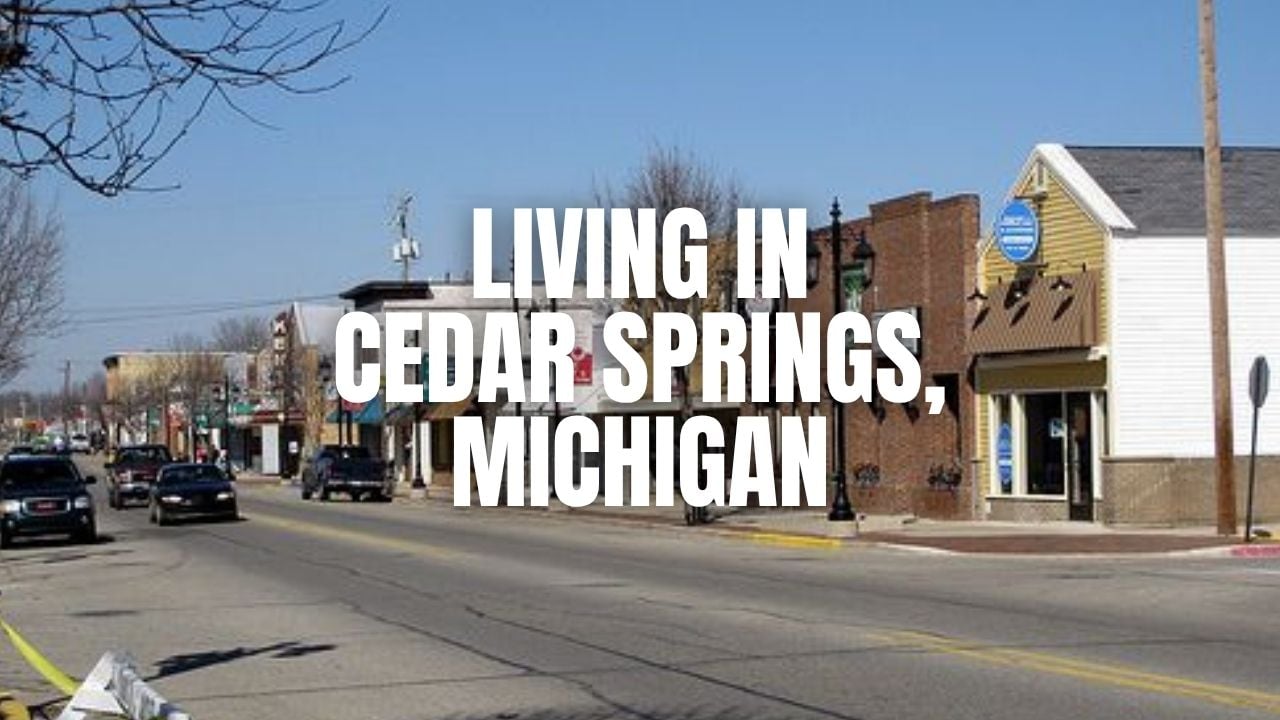
Cedar Springs stands out for a few very specific reasons rooted in its history, location, and identity. The city is widely known as the “Red Flannel Town,” a nickname tied to the long-running Red Flannel Festival, first celebrated in 1939. This annual event, held on the first Saturday in October, is one of the oldest festivals in Michigan and reflects the area’s strong community culture.

Historically, Cedar Springs developed as a lumber-town hub and played a role in Michigan’s railroad network, serving as both a terminus and crossing point for major rail lines. It incorporated as a village in 1871 and later became a city in 1959, maintaining its identity even as the region around it expanded.

Today, what truly separates Cedar Springs is its position within the Grand Rapids Metropolitan Statistical Area while still feeling distinctly separate from it. Being less than one mile from US-131 gives residents one of the easiest commutes to Grand Rapids among northern Kent County communities. Combined with a competitive housing market and lower cost of living, it has become an appealing alternative to more expensive areas like Rockford or Caledonia.
Search For All Homes For Sale
See My Home's Current Value

Where Is Cedar Springs Located?

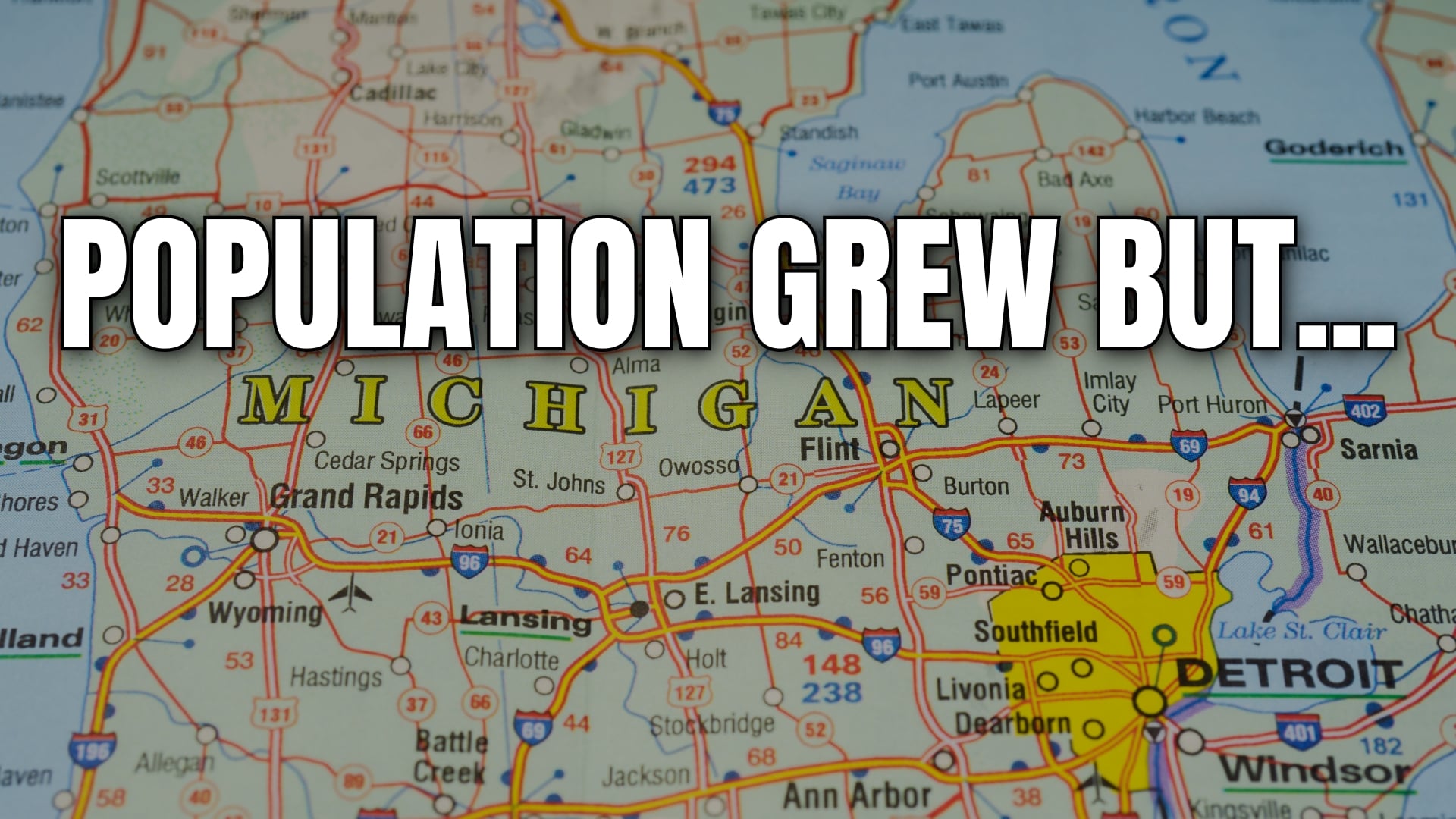
Cedar Springs is located in Kent County in West Michigan and is part of the broader Grand Rapids metro area. Its location just off US-131 is one of its biggest advantages for commuters and daily travel.

From Cedar Springs, you can expect the following drive times:

  • Grand Rapids: approximately 20 miles south, about 25 minutes via US-131
  • Rockford: approximately 6 miles south, about 10 minutes
  • Greenville: approximately 15 miles northeast, about 20 minutes
  • Gerald R. Ford International Airport: approximately 32 miles south, about 35 minutes

This positioning makes Cedar Springs especially attractive for buyers who work in Grand Rapids but want more space or lower home prices than what’s typically available closer to the city center.

Cost of Living in Cedar Springs

The cost of living in Cedar Springs is estimated at 93.5 compared to the national average of 100, meaning it is about 6.5% lower than average. This aligns with broader trends in the region, where housing, groceries, and healthcare all come in below national benchmarks.

While a precise BestPlaces score requires dynamic data access, the available estimate confirms that Cedar Springs is considered a relatively affordable place to live within West Michigan — especially when compared to nearby suburban markets tied more directly to Grand Rapids.

Real Estate & Housing Overview in Cedar Springs

Housing Market Overview

The Cedar Springs housing market is described as very competitive, with homes selling in roughly 31 days. Demand has increased significantly due to its affordability relative to surrounding areas and its strong commuter access to Grand Rapids.

Multiple data points exist for the market, but the Zillow Home Value Index (ZHVI) is the standard used here for consistency. As of 2026, the typical home value in Cedar Springs is $261,945, reflecting strong year-over-year growth.

Types of Homes

Housing in Cedar Springs includes a mix of traditional single-family homes, newer suburban-style builds, and properties on larger lots outside the immediate downtown area. The city’s development history as a lumber and rail hub means you’ll find older homes with character alongside more recent construction driven by population growth.

Buyers can expect a range of property types, but the overall market leans heavily toward detached homes rather than condos or high-density developments.

Price Range & Affordability

Using the Zillow typical home value of $261,945 (2026), here’s how pricing generally breaks down:

  • Entry-level homes: typically below $220,000
  • Mid-range homes: approximately $220,000–$320,000
  • Upper-tier homes: $320,000+

This pricing structure makes Cedar Springs one of the more accessible markets within commuting distance of Grand Rapids, especially for first-time buyers or those looking to upgrade from more expensive nearby areas.

Market Activity

Homes in Cedar Springs are moving relatively quickly, with average market times around one month. This reflects steady demand and limited inventory compared to growing interest in the area.

Price increases over the past year also suggest upward pressure driven by buyers seeking affordability within the Grand Rapids metro.

Development Trends

The city has seen growth tied to its location and affordability, though it has not developed at the same pace as some southern Kent County suburbs. Development remains moderate, preserving much of the small-town feel while still adding housing to meet demand.

Recent investment in school infrastructure, including a $27 million building and renovation project, also signals ongoing commitment to community growth.

Ownership Experience

Owning a home in Cedar Springs typically means balancing affordability with convenience. While you benefit from lower costs and a quieter setting, you may need to travel for certain services or amenities not available within the city itself.

For buyers who value space, access to nature, and proximity to Grand Rapids, the ownership experience is often seen as a strong value proposition.

Michigan Home For Sale Here With This Link - Browse Michigan homes for sale
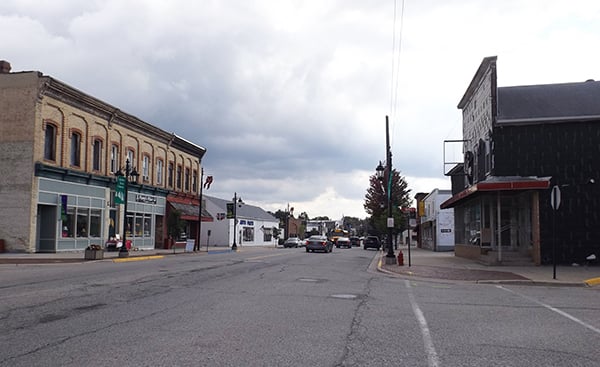
Cedar Springs, Michigan

Image credit

Property Taxes in Cedar Springs

Property taxes in Michigan are based on a millage rate system, where one mill equals $1 of tax per $1,000 of taxable value. Your taxable value is typically about half of your home’s market value, though it can vary based on assessments.

Michigan’s Proposal A limits how much your taxable value can increase each year, generally capping it at the rate of inflation until the property is sold. When ownership transfers, the taxable value resets to the current assessed value, which can significantly change the tax bill.

To estimate your taxes, you can use the Michigan property tax estimator. For local rates, visit the Michigan millage rates lookup tool.

Things to Do & Lifestyle

Cedar Springs offers a mix of local amenities and access to larger regional attractions. Within the city, you’ll find a small downtown retail district, grocery options, and local services that support daily living.

The city is also within driving distance of more than 50 parks in Kent County, giving residents access to outdoor recreation without needing to travel far. Major attractions like Van Andel Arena, Fifth Third Ballpark, and Frederik Meijer Gardens are all about 15–20 minutes south in Grand Rapids.

Local employment includes industrial companies such as Display Pack and precision tool-and-die operations, while healthcare is supported by a local family medicine clinic. For full hospital services, residents typically travel to Grand Rapids.

Overall, the lifestyle in Cedar Springs is best described as simple, practical, and community-oriented — with easy access to bigger-city entertainment when needed.

Schools & Education

Cedar Springs Public Schools serve the city and surrounding areas, operating seven schools across a large district. All schools are located on a single 100-acre campus near downtown, which is somewhat unique compared to more spread-out districts.

GreatSchools describes the district as “rated average in school quality,” and third-party sources suggest an approximate rating of around 6/10. Recent investment in facilities includes a $27 million building and renovation project, indicating ongoing improvements.

For more information, visit Cedar Springs Public Schools on GreatSchools.

Cedar Springs, Michigan school

Image credit

Pros of Living in Cedar Springs

  • Lower cost of living compared to national and nearby metro averages
  • Strong commuter access to Grand Rapids via US-131
  • Competitive housing market with relatively affordable entry points
  • Established community identity with events like the Red Flannel Festival
  • Access to parks and regional attractions within short driving distance

Cons of Living in Cedar Springs

  • No full-service hospital within city limits
  • Limited big-box retail and shopping options locally
  • No fixed-route public transportation system
  • Competitive housing market may limit inventory
  • Some amenities require commuting to Grand Rapids

Frequently Asked Questions About Living in Cedar Springs, Michigan

Is Cedar Springs Michigan a good place to live?

Cedar Springs is considered a good option for buyers seeking affordability, access to Grand Rapids, and a small-town environment.

How much do homes cost in Cedar Springs Michigan?

The typical home value is $261,945 according to Zillow data as of 2026.

What is the cost of living in Cedar Springs Michigan?

The cost of living index is approximately 93.5, which is about 6.5% below the national average.

How far is Cedar Springs from Grand Rapids?

Cedar Springs is about 20 miles from Grand Rapids, with a commute time of roughly 25 minutes via US-131.

Are Cedar Springs schools good?

Cedar Springs Public Schools are described by GreatSchools as average in quality, with third-party estimates around 6/10.

Is Cedar Springs a competitive housing market?

Yes, homes typically sell in about 31 days, indicating strong demand and competition.

What is Cedar Springs known for?

The city is known as the “Red Flannel Town” and hosts the long-running Red Flannel Festival each October.

Are there hospitals in Cedar Springs?

No, there is no full-service hospital in the city. The nearest major hospital is in Grand Rapids.

Data Verified Notice

Home prices, school ratings, and cost of living figures change — always confirm current numbers before making decisions.

Closing

If you're planning a move within Michigan and Cedar Springs is on your list, having the right guidance can make a big difference. As a Michigan Realtor and the founder of Living in Michigan, I help clients navigate local markets across the state. You can explore available properties here: view current Michigan homes for sale and learn more about your home’s value at home valuation tool.

Search For All Homes For Sale
See My Home's Current Value
living in michigan | andrew mcmanamon realtor

Andrew McManamon

Founder of Living In Michigan
Michigan Realtor®
[email protected]
Contact Us
www.LivinginMichigan.com

Living In Michigan Newsletter

Get weekly Michigan market insights, hidden gems and relocation tips delivered to your inbox — Join thousands people planning their move to Michigan.

Check Out the EXCLUSIVE "Living In Michigan" Apparel HERELiving In Michigan apparel

Check out recent articles

Is Rockford, Michigan a Good Place to Live? …

Is Rockford, Michigan a Good Place to Live? …

Living in Rockford, Michigan offers an upscale…

Moving to Lowell, Michigan? What to Know About …

Moving to Lowell, Michigan? What to Know About …

Living in Lowell, Michigan offers a small-town…

Living in Kentwood, Michigan: Pros, Cons, Cost of …

Living in Kentwood, Michigan: Pros, Cons, Cost of …

Living in Kentwood, Michigan offers a diverse…