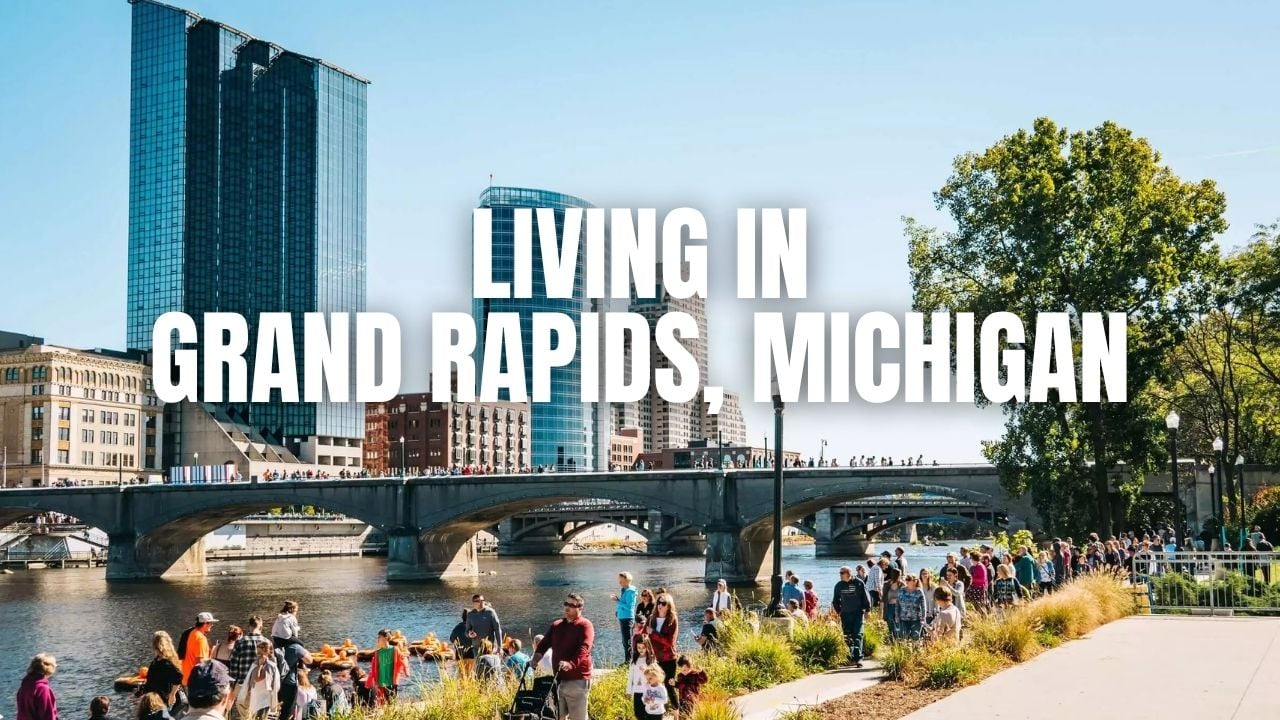
Grand Rapids, Michigan Living Guide: The Ultimate living guide

Living in Grand Rapids Michigan means experiencing one of the Midwest’s most dynamic and fast-growing cities. As the second-largest city in the state, Grand Rapids blends urban convenience with a manageable size, making it appealing for professionals, families, and retirees alike. The city is known for its strong economy, diverse job market, and expanding downtown. From healthcare and manufacturing to education and entrepreneurship, Grand Rapids continues to attract new residents looking for opportunity without the high costs seen in larger metro areas. That said, like any city, there are trade-offs. While the cost of living is relatively low compared to national averages, some neighborhoods vary significantly in school quality and housing availability. Still, for many buyers, the combination of affordability and amenities makes Grand Rapids a compelling place to call home.

What Makes Grand Rapids Michigan Different Than Other Places in Michigan?

Grand Rapids stands out as the economic and cultural hub of West Michigan. With a population of nearly 200,000 and a metro area exceeding 1.18 million residents, It offers a broader range of opportunities and infrastructure compared to smaller Michigan communities. Historically known as “Furniture City,” Grand Rapids has evolved into a diversified economy anchored by major employers like Corewell Health, Meijer, Amway, and Steelcase. The city’s continued investment in its Medical Mile and downtown redevelopment has strengthened its position as a regional leader. It’s also nationally recognized for its craft beer scene, earning the title “Beer City USA,” with more than 35 breweries contributing to tourism and local culture. Events like ArtPrize and destinations such as Frederik Meijer Gardens and the Gerald R. Ford Presidential Museum further define its identity.
Search For All Homes For Sale
See My Home's Current Value

Where Is Grand Rapids Located?

Grand Rapids is located in Kent County in western Michigan and serves as the county seat. It is positioned along the Grand River, which runs directly through the city’s downtown.

The city is approximately 70 miles east of Lansing (about a 75-minute drive via I-96), 50 miles north of Kalamazoo (around 55 minutes via US-131), and just 25 miles from Lake Michigan’s shoreline (roughly 35 minutes). Gerald R. Ford International Airport is located within the metro area, providing convenient regional and national access.

Cost of Living in Grand Rapids Michigan

Grand Rapids has a cost of living index of 94.5, which is 5.5% below the national average and 3.3% below the Michigan average. This makes it one of the more affordable mid-sized cities in the Midwest.

Lower costs in housing, groceries, and healthcare contribute to overall affordability. While housing prices have increased in recent years, the city still offers strong value compared to similarly sized metros nationwide.

Real Estate & Housing Overview in Grand Rapids Michigan

Housing Market Overview

The Grand Rapids housing market is active and continues to grow steadily. Zillow reports a typical home value of $268,540 as of 2026, with moderate appreciation expected. Data USA places the median property value slightly lower at $244,500.

Types of Homes

Buyers in Grand Rapids will find a wide range of housing options, including historic homes near downtown, suburban single-family homes, and newer developments in surrounding neighborhoods. Condos and townhomes are also available, especially in revitalized urban areas.

Price Range & Affordability

Using Zillow’s typical home value of $268,540 (2026):

  • Entry-level homes: typically below $220,000
  • Mid-range homes: approximately $220,000–$350,000
  • Upper-tier homes: $350,000 and above

This pricing structure provides options for a wide range of buyers, from first-time homeowners to those seeking higher-end properties.

Market Activity

The market shows steady demand with consistent appreciation. Zillow projects a 3.2% increase through September 2026, indicating ongoing stability rather than rapid volatility.

Development Trends

Grand Rapids continues to invest heavily in downtown redevelopment, medical infrastructure, and riverfront improvements. These projects are driving both residential and commercial growth throughout the city.

Ownership Experience

Homeownership in Grand Rapids varies by neighborhood, but overall, buyers benefit from a mix of affordability and long-term value growth. Proximity to jobs, schools, and amenities plays a significant role in property desirability.

Michigan Home For Sale Here With This Link - Browse Michigan homes for sale
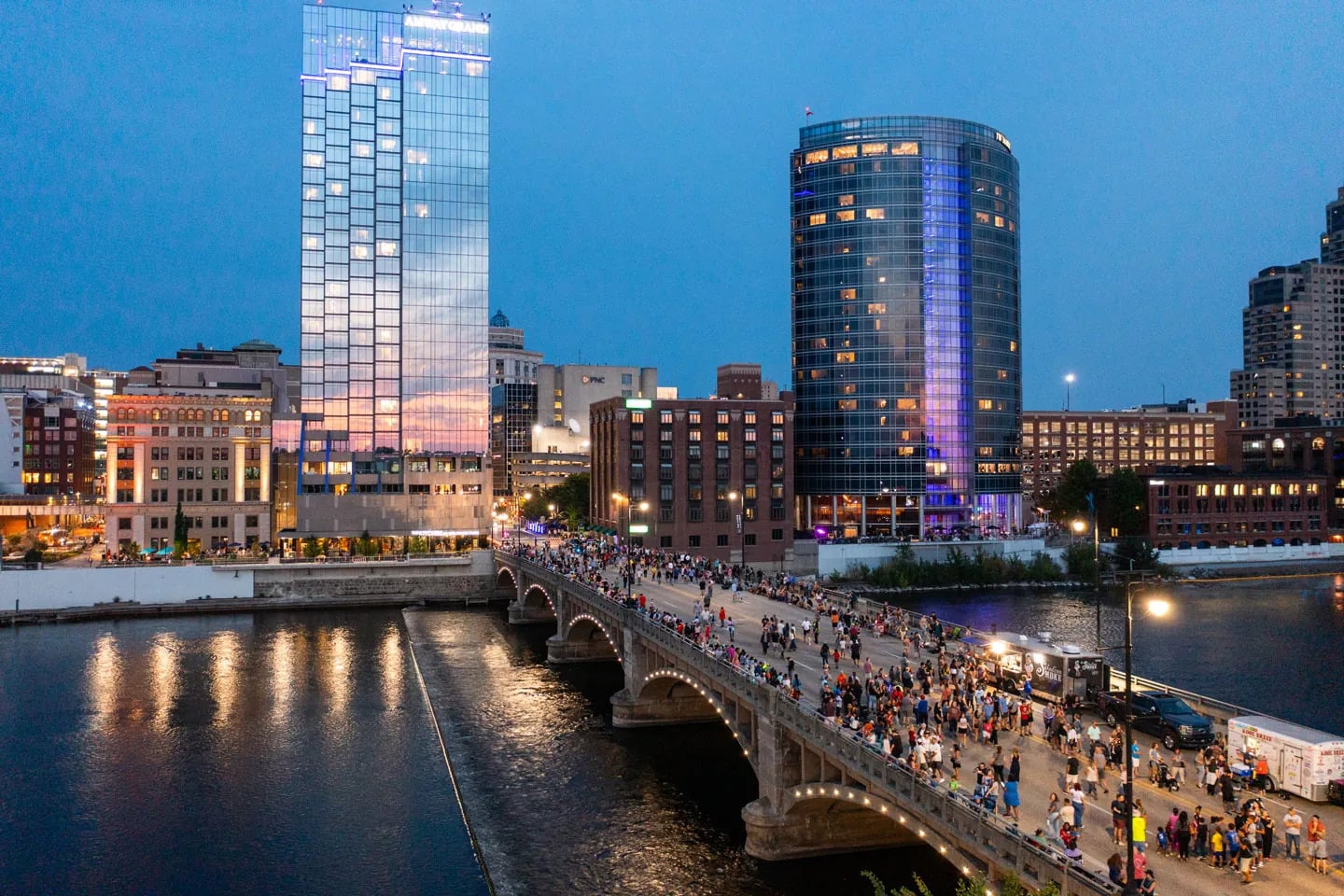
Grand Rapids, Michigan

Image credit

Property Taxes in Grand Rapids Michigan

Michigan property taxes are calculated using a millage system, where local governments apply tax rates per $1,000 of taxable value.

Under Proposal A, a property’s taxable value increases are capped annually (typically at inflation or 5%, whichever is lower) until the property is sold. After a sale, the taxable value resets to the current market value.

To estimate your taxes, you can use the Michigan property tax estimator.

For local rates, visit the Millage rates lookup tool.

Things to Do & Lifestyle

Grand Rapids offers a full range of lifestyle amenities, making it one of the most livable cities in Michigan. The downtown area features a vibrant mix of restaurants, breweries, and entertainment venues, including Van Andel Arena and DeVos Place Convention Center.

Outdoor recreation is abundant, with Millennium Park (1,400 acres) and Blandford Nature Center (264 acres) providing green space within the city. The Grand River adds to the scenic appeal and ongoing redevelopment efforts.

Residents also have easy access to cultural attractions like the Grand Rapids Art Museum, Frederik Meijer Gardens, and ArtPrize events. Grocery options include major chains such as Meijer, Family Fare, Aldi, and Trader Joe’s.

Schools & Education

Grand Rapids is served primarily by Grand Rapids Public Schools, the largest district in the city. Additional districts include Forest Hills, Kentwood, Godwin Heights, and Kelloggsville.

The district offers a variety of educational options, including City High-Middle School, Ottawa Hills High School, Union High School, and Innovation Central High School, as well as the Blandford School environmental program.

Specific GreatSchools numeric ratings for the district are not provided in the research brief. You can explore school performance further here: View Grand Rapids schools on GreatSchools.

Grand Rapids, Michigan school

Image credit

Pros of Living in Grand Rapids Michigan

  • Cost of living below the national average
  • Strong and diverse job market with major employers
  • Wide range of housing options at various price points
  • Extensive amenities including parks, entertainment, and healthcare
  • Access to Lake Michigan and regional travel routes

Cons of Living in Grand Rapids Michigan

  • Housing prices have been rising steadily
  • School quality varies depending on district and neighborhood
  • No single unified school system across the entire city
  • Winter weather typical of Michigan can be challenging
  • Traffic and commute times can increase during peak hours

Frequently Asked Questions About Living in Grand Rapids Michigan

Is Grand Rapids a large city?

Yes, it is the second-largest city in Michigan with a population of nearly 200,000.

What is the average home price in Grand Rapids?

Zillow reports a typical home value of $268,540 as of 2026.

Is Grand Rapids affordable?

Yes, the cost of living index is 94.5, which is below the national average.

How far is Grand Rapids from Lake Michigan?

It is about 25 miles west, or roughly a 35-minute drive.

What are the main industries in Grand Rapids?

Major industries include healthcare, manufacturing, retail, and education.

Are there good schools in Grand Rapids?

The city offers multiple school districts with a range of programs, though ratings vary by location.

Does Grand Rapids have public transportation?

Yes, the city is served by The Rapid bus system.

What makes Grand Rapids unique?

It is known for its craft beer industry, cultural attractions, and role as West Michigan’s economic hub.

Data Verified Notice

Home prices, school ratings, and cost of living figures change — always confirm current numbers before making decisions.

Closing

If you're planning a move anywhere in Michigan and want guidance tailored to your goals, I’m here to help you navigate every step. Explore available listings at Living in Michigan properties and reach out when you're ready to take the next step.

Search For All Homes For Sale
See My Home's Current Value
living in michigan | andrew mcmanamon realtor

Andrew McManamon

Founder of Living In Michigan
Michigan Realtor®
[email protected]
Contact Us
www.LivinginMichigan.com

Living In Michigan Newsletter

Get weekly Michigan market insights, hidden gems and relocation tips delivered to your inbox — Join thousands people planning their move to Michigan.

Check Out the EXCLUSIVE "Living In Michigan" Apparel HERELiving In Michigan apparel

Check out recent articles

Before You Move to Grand Rapids Township, Michigan: …

Before You Move to Grand Rapids Township, Michigan: …

Living in Grand Rapids Township, Michigan offers…

Gaines Township (Kent County), Michigan Relocation Guide: Vibe, …

Gaines Township (Kent County), Michigan Relocation Guide: Vibe, …

Living in Gaines Township, Michigan offers a…

The Truth About Courtland Township, Michigan: Neighborhoods, Prices, …

The Truth About Courtland Township, Michigan: Neighborhoods, Prices, …

A detailed guide to living in Courtland…