Introduction
Frankenmuth, Michigan is one of those places that people often discover while visiting — and then start wondering what it would be like to live there.
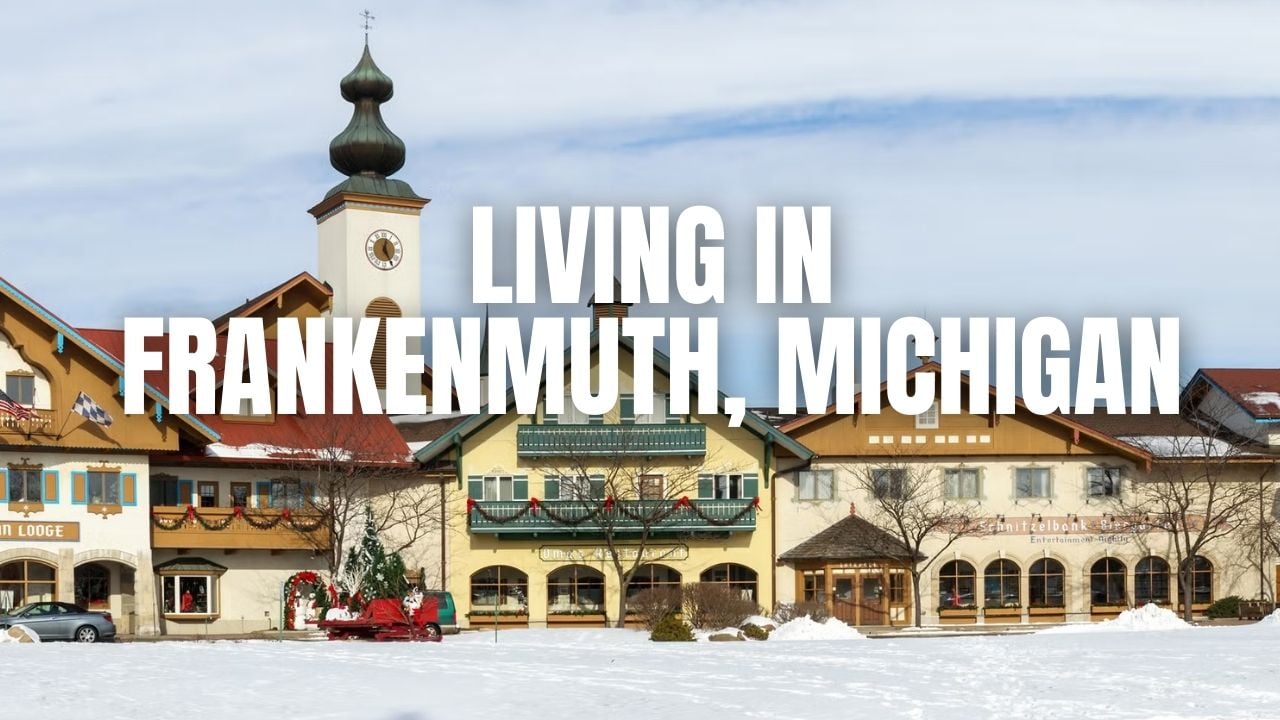
Known for its distinctive downtown architecture, strong local identity, and access to parks and outdoor recreation, Frankenmuth offers a unique living environment compared to many other Michigan cities. Some people are drawn to its walkable downtown and local amenities, while others appreciate the quieter residential neighborhoods just outside the main tourist areas.
In this guide, we’ll walk through what daily life in Frankenmuth looks like — including housing, cost of living, property taxes, schools, and lifestyle considerations — so you can decide whether it aligns with your long-term plans.
Cost of Living in Frankenmuth, Michigan
Frankenmuth’s cost of living is influenced primarily by housing and transportation.
According to BestPlaces.net, Frankenmuth’s overall cost of living is slightly above the national average, largely due to housing demand and the city’s popularity as a tourist destination.
The U.S. Census Bureau reports that homeownership rates in Frankenmuth are high, and housing values tend to be above the average for many nearby communities in Saginaw County.
Utilities and general consumer costs align with Michigan statewide averages, based on regional Consumer Expenditure data from the Bureau of Labor Statistics.
As always, individual housing prices vary depending on property type, size, and location within the city.
Real Estate & Housing Overview
Housing in Frankenmuth primarily consists of single-family homes in established neighborhoods.
According to U.S. Census Bureau housing data:
Most homes are owner-occupied
A large portion of housing was built between the 1960s and 1990s
Detached single-family homes make up the majority of the housing stock
You’ll commonly find:
Ranch-style homes
Two-story traditional homes
Newer homes in smaller residential developments
Some condominiums and townhomes
Local MLS data shows steady housing demand, with relatively limited inventory due to the city’s size.
Lot sizes vary but are generally larger than those in more densely populated suburban areas.



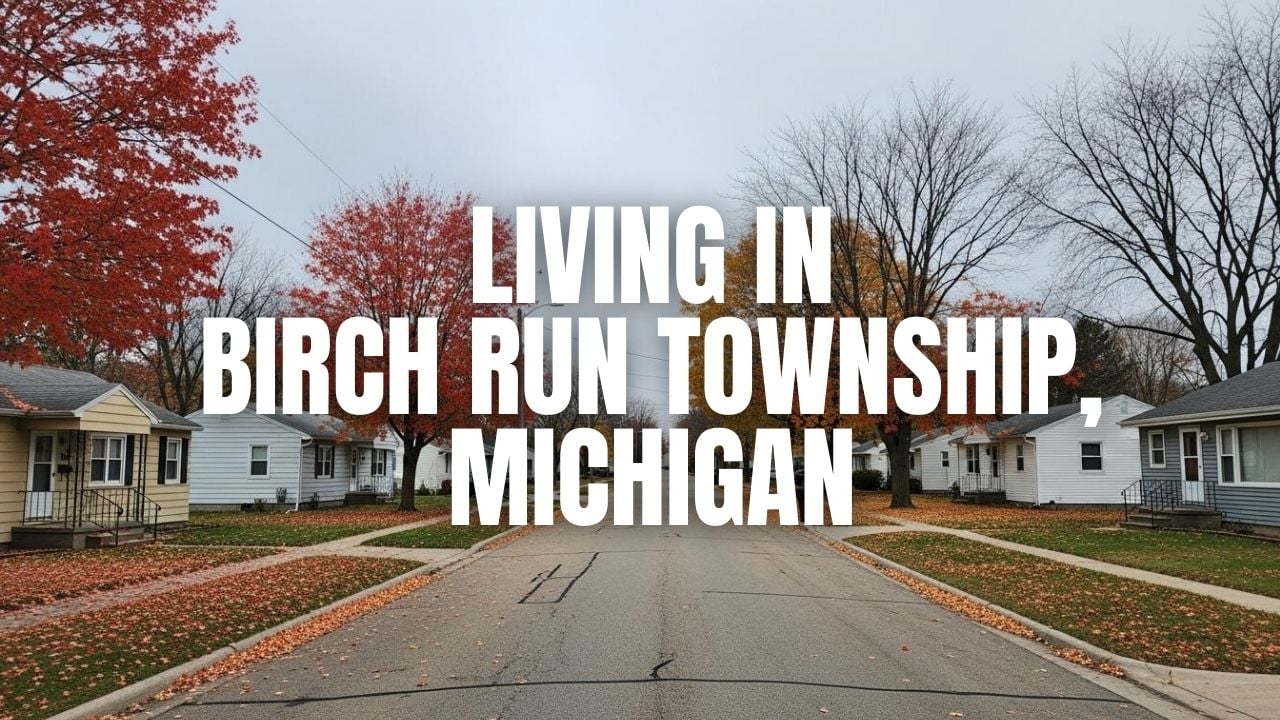
Birch Run Township, Michigan Living Guide: Housing Market, …
Birch Run Township, Michigan is known for…
Albee Township, Michigan: Best Neighborhood Pockets + Pros/Cons …
Albee Township, Michigan is a rural community…
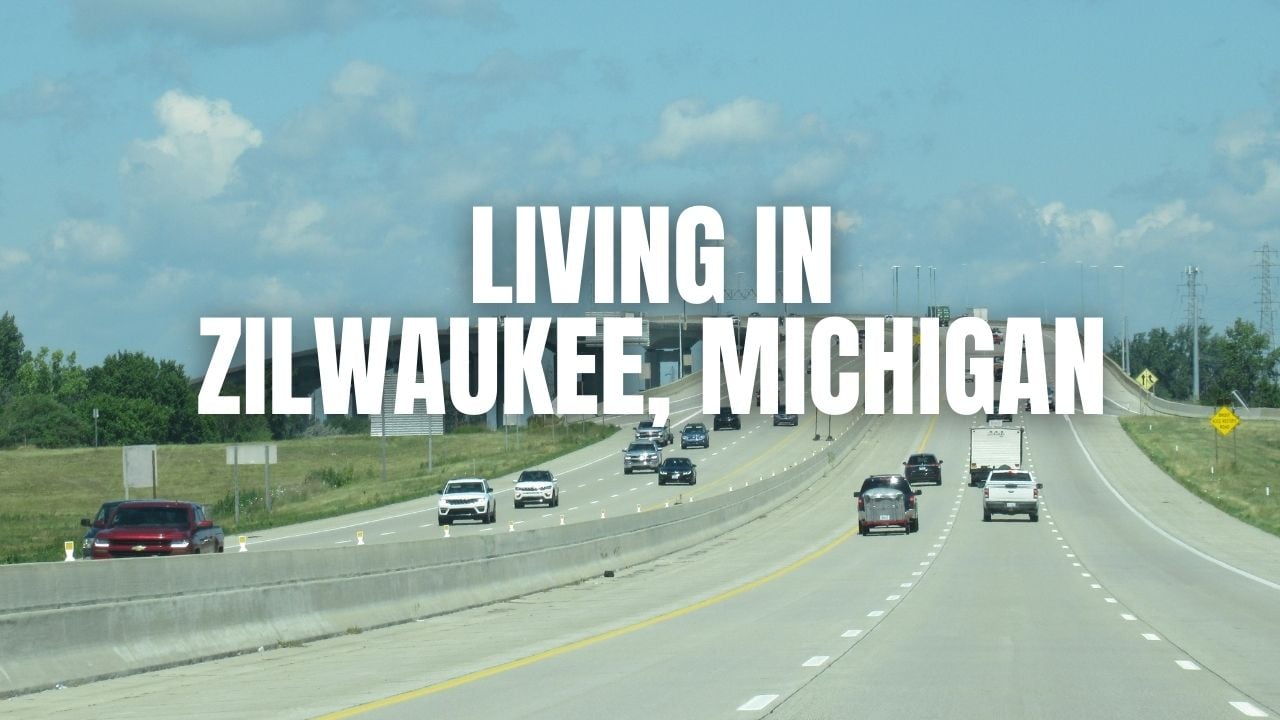
Zilwaukee, Michigan: What It’s Like to Live Here …
Zilwaukee, Michigan is a small city located…