
Introduction
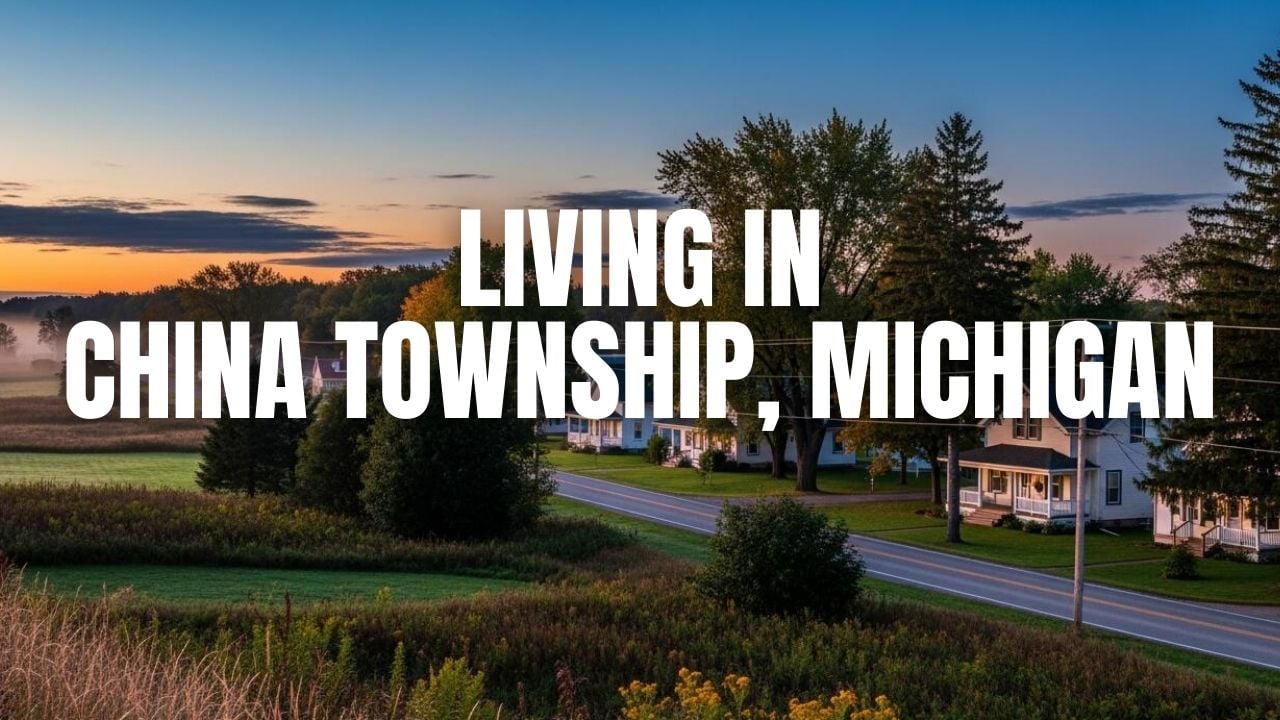
If you’re looking for more space, quieter surroundings, and access to nature without being completely disconnected from nearby cities, China Township, Michigan may catch your attention.
Located in St. Clair County, this township offers a rural atmosphere with farmland, open landscapes, and residential properties spread across larger parcels. Many people consider living here because of the extra space, proximity to Port Huron and St. Clair, and relatively easy commuting routes.
Like any community, China Township comes with its own advantages and considerations. This guide covers housing, cost of living, schools, property taxes, and everyday lifestyle so you can decide whether the township aligns with your long-term goals.
Cost of Living in China Township, Michigan
Cost of living in China Township is generally influenced by its rural setting and housing availability.
According to U.S. Census Bureau data, housing values in rural townships within St. Clair County tend to be lower than statewide averages. Niche.com also reports that housing affordability is one of the more notable aspects of the area.
BestPlaces.net indicates that many communities in St. Clair County maintain a cost of living near or below the national average.
Utilities and transportation costs generally align with statewide averages, based on regional data from the Bureau of Labor Statistics.
Because China Township is more rural, commuting distance and vehicle usage may influence overall living costs.
Real Estate & Housing Overview
Housing in China Township tends to reflect its rural character.
According to U.S. Census Bureau housing data:
Many homes were built between the 1970s and early 2000s
Owner-occupied homes represent the majority of housing
Properties often sit on larger lots than typical suburban subdivisions
Common housing types include:
Ranch-style homes
Farmhouses and rural homesteads
Detached single-family homes on acreage
Some newer homes have been constructed on larger parcels over the past few decades, though large-scale subdivision development is limited compared to suburban communities.
Local MLS data generally shows a smaller inventory of homes, which is typical for rural townships with lower population density.



Before You Move to East China Township, Michigan: …
Thinking about moving to East China Township,…
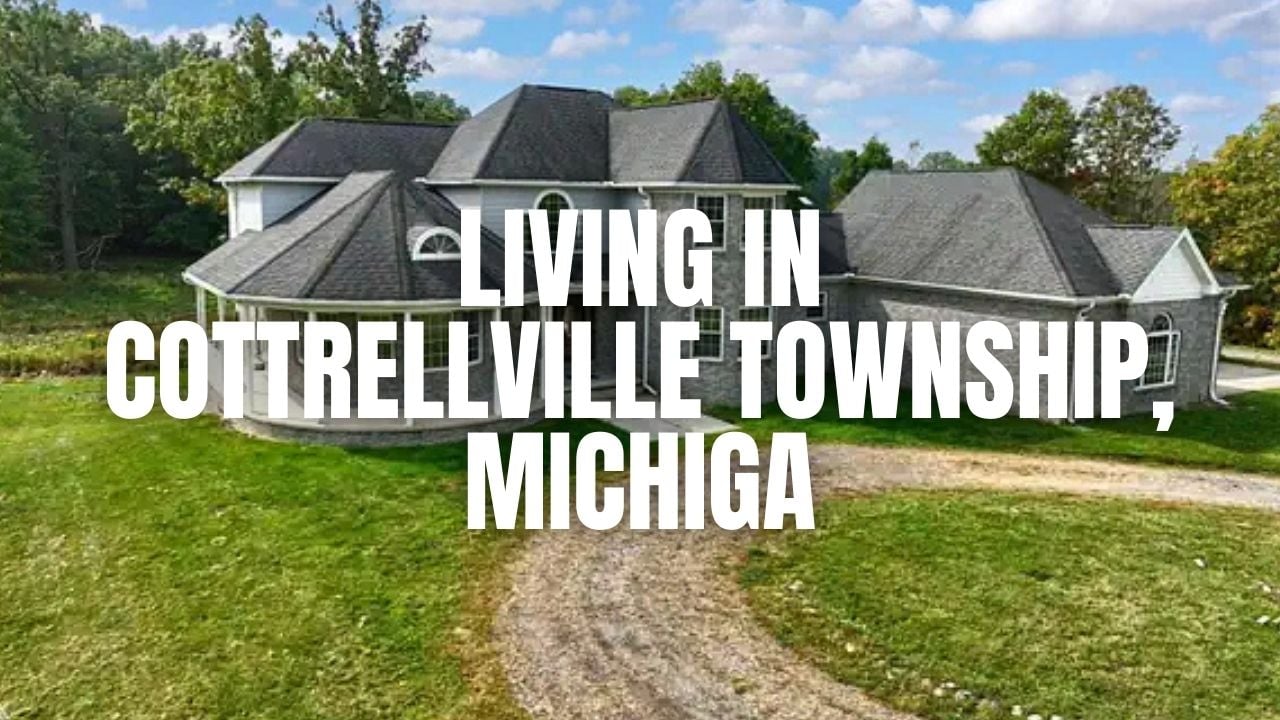
Cottrellville Township, Michigan Relocation Guide: Vibe, Housing, Amenities …
Considering a move to Cottrellville Township, Michigan?…

The Truth About Columbus Township (St. Clair County), …
Considering a move to Columbus Township, Michigan?…