Introduction
If you’re exploring quieter parts of Southeast Michigan where open land and rural surroundings are still common, Greenwood Township, Michigan might appear on your radar.
Located in St. Clair County, Greenwood Township offers a different pace compared to nearby cities. Instead of dense neighborhoods or busy commercial corridors, the township is known for agricultural land, scattered residential properties, and wide open space.
For people looking at Michigan relocation options that prioritize land, privacy, and a rural environment while still remaining within driving distance of larger cities, Greenwood Township is one place that often comes up during the search process.
Let’s take a practical look at what living in Greenwood Township actually involves — including housing, cost of living, property taxes, schools, and daily lifestyle considerations.
Cost of Living in Greenwood Township, Michigan
Living costs in rural townships like Greenwood Township are often influenced heavily by housing and transportation.
According to U.S. Census Bureau housing data, home values in many rural areas of St. Clair County tend to be lower than Michigan statewide averages. Niche.com also indicates that many communities in the county have housing prices below national averages.
BestPlaces.net reports that St. Clair County overall has a cost of living index slightly below the national average.
Utility and transportation costs generally follow regional Midwest averages, according to the Bureau of Labor Statistics.
One thing to keep in mind is that rural living can mean longer driving distances for groceries, employment, or services, which may affect transportation expenses depending on lifestyle.
Real Estate & Housing Overview
Housing in Greenwood Township is very different from dense suburban developments.
According to the U.S. Census Bureau, many homes in rural Michigan townships are single-family properties on larger parcels of land. Lot sizes in Greenwood Township often range from several acres to agricultural-scale properties.
Common property types include:
Farmhouses and rural homesteads
Ranch-style homes on acreage
Modular or manufactured homes on private land
Agricultural properties with barns or outbuildings
Housing stock ages vary widely. Some properties date back decades, while others are newer rural builds.
Large-scale subdivision development is limited compared to suburban areas. Local MLS listings tend to include acreage properties and rural homes rather than dense neighborhood developments.
As with most rural markets, inventory can be relatively small at any given time.




Michigan's FASTEST Growing Towns Are Losing Value (Here's …
Michigan is growing, but home prices are…
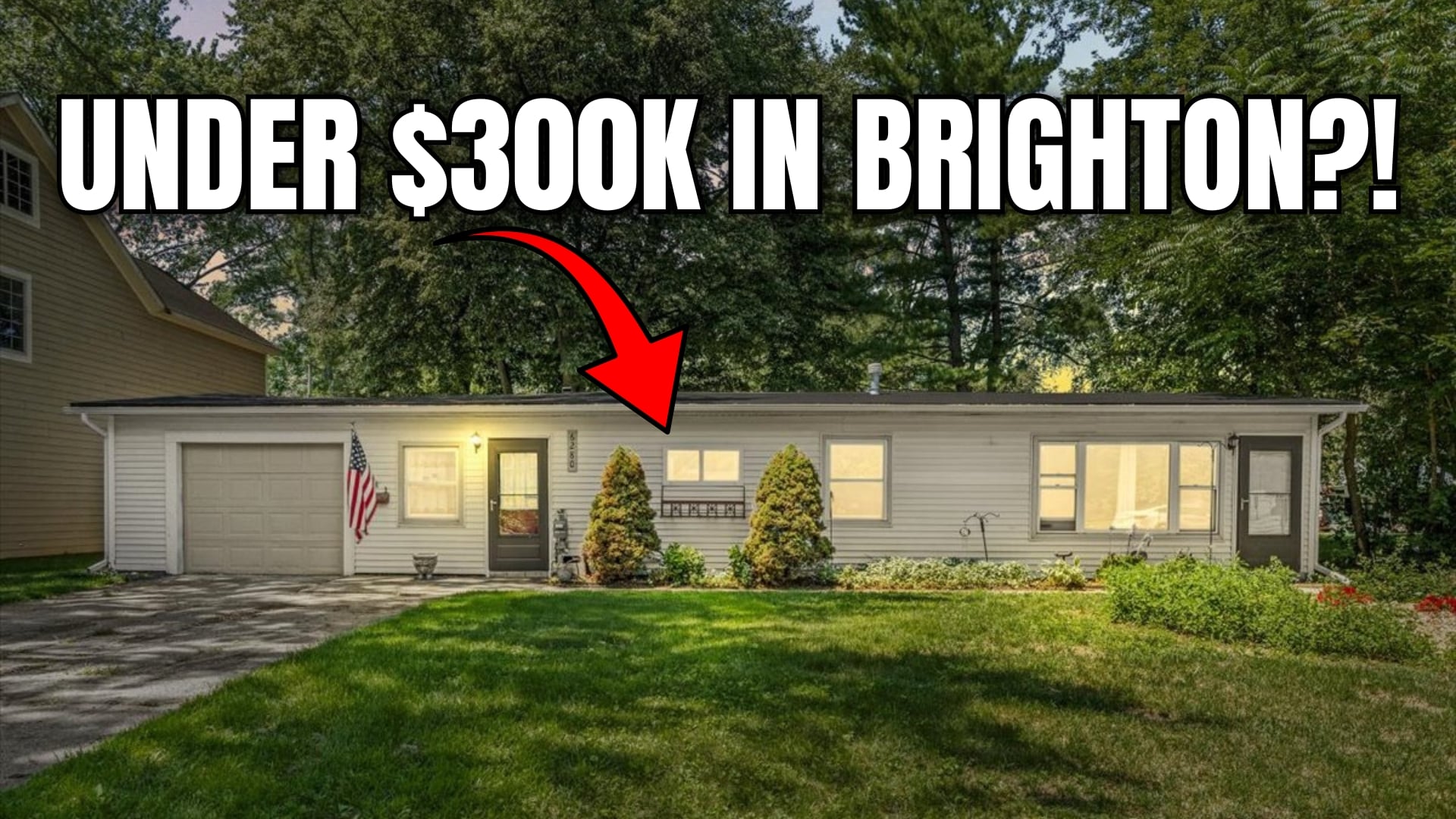
The Most Connected Home in Brighton, Michigan | …
6280 Beth Rd, Brighton, MI: move-in-ready 3-bed,…