Introduction
If you’re searching for space, quieter surroundings, and a rural atmosphere within driving distance of Southeast Michigan cities, Columbus Township, Michigan might be worth exploring.
Located in St. Clair County, this township offers a different pace of life compared to denser suburban communities. Many people are drawn to Columbus Township because of its larger property sizes, open countryside, and proximity to nearby cities like Richmond and Port Huron.
Like any place, though, living here comes with its own advantages and considerations. Let’s walk through what to expect in terms of housing, taxes, cost of living, schools, and lifestyle before making a relocation decision.
Cost of Living in Columbus Township, Michigan
Cost of living in Columbus Township generally reflects the broader cost patterns of St. Clair County.
According to U.S. Census Bureau data, housing costs in rural townships throughout the county tend to be lower than in many Metro Detroit suburbs.
BestPlaces.net reports that the overall cost of living in St. Clair County is slightly below the national average, with housing costs often being a major factor.
Niche.com also indicates that housing affordability is one of the appealing aspects of many communities within the county.
Utilities and transportation costs are typically comparable to statewide averages, based on regional spending data from the Bureau of Labor Statistics.
Because Columbus Township is largely rural, some homes rely on private wells and septic systems rather than municipal utilities, which can affect monthly costs depending on the property.
Real Estate & Housing Overview
Housing in Columbus Township tends to emphasize space and land.
According to U.S. Census Bureau housing data for rural townships in St. Clair County, properties frequently sit on larger lots compared with suburban neighborhoods.
Common housing characteristics include:
Ranch-style homes
Farmhouses and rural homes on acreage
Custom-built single-family homes
Properties with outbuildings or barns in agricultural areas
Much of the housing stock was built between the 1970s and early 2000s, though older farm properties and newer custom homes can also be found.
New large-scale residential developments are relatively limited compared with suburban areas, but occasional new construction occurs on individual parcels of land.
Local MLS listings typically show a mix of homes with acreage and traditional single-family homes on larger rural lots.
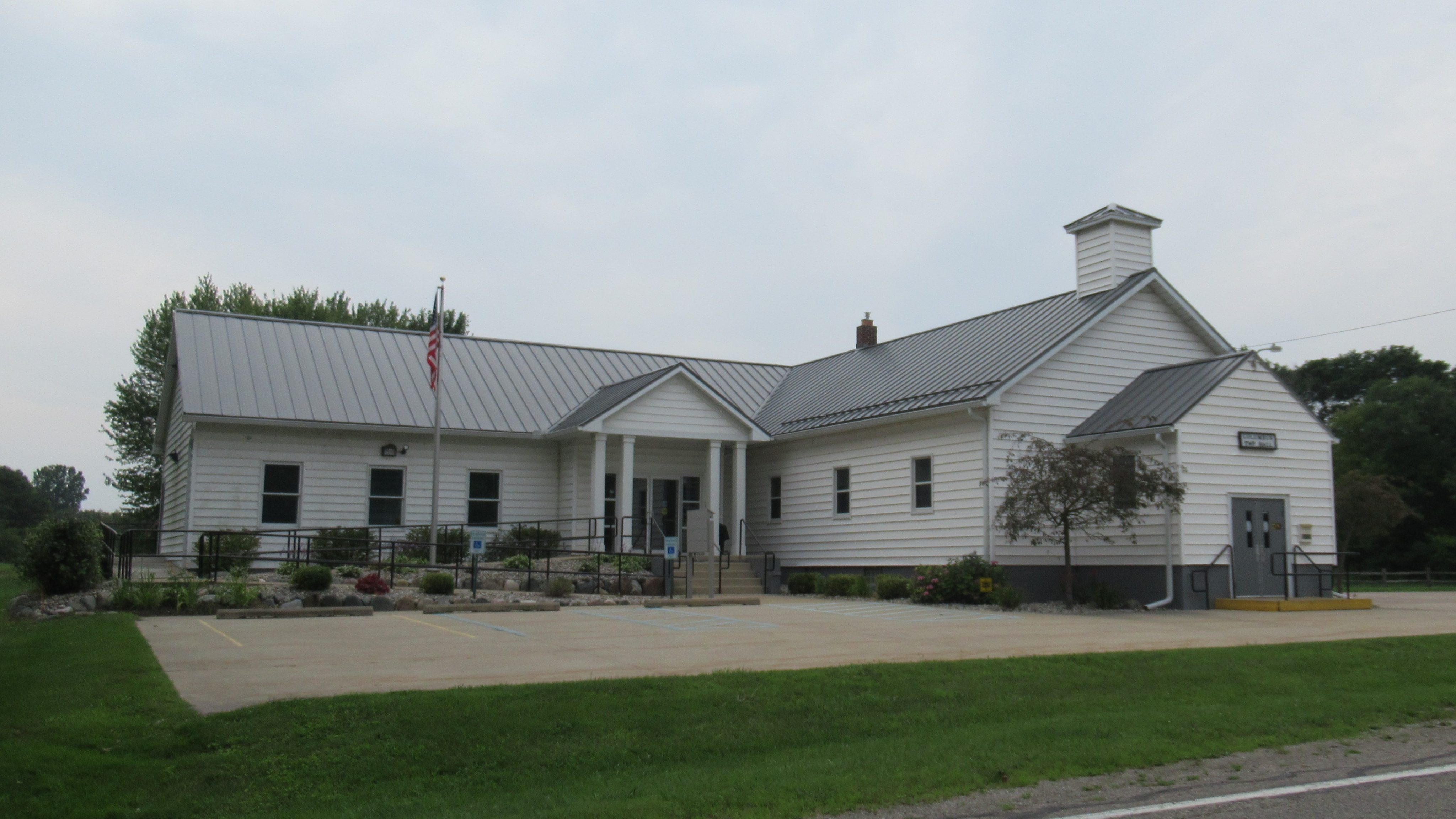




Michigan's FASTEST Growing Towns Are Losing Value (Here's …
Michigan is growing, but home prices are…
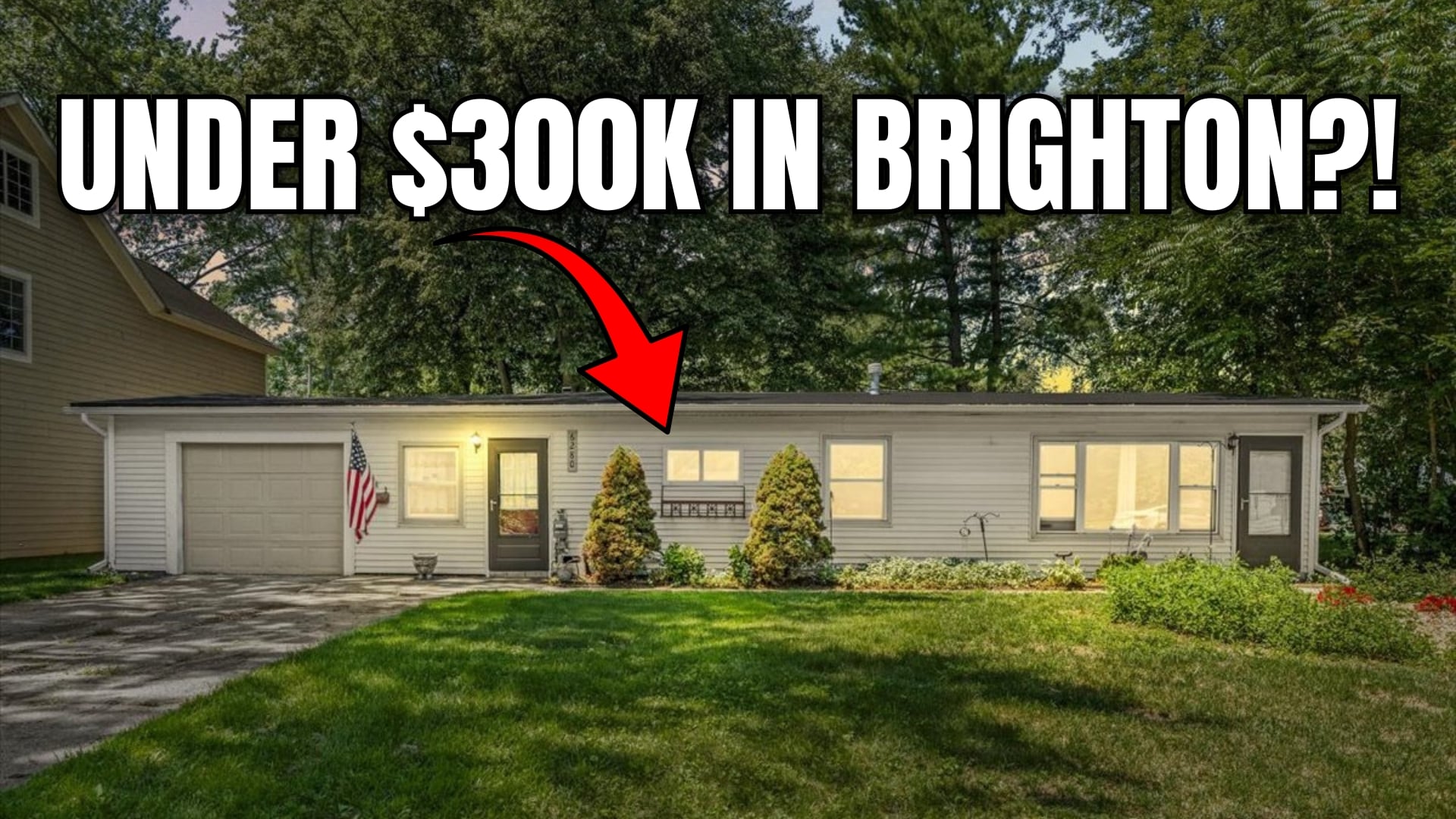
The Most Connected Home in Brighton, Michigan | …
6280 Beth Rd, Brighton, MI: move-in-ready 3-bed,…