
Introduction
If you're searching for a place in Michigan where river views, open space, and a slower pace of life all come together, East China Township may be worth exploring.
Located along the St. Clair River in St. Clair County, this township offers a mix of rural landscapes, waterfront homes, and established neighborhoods. Many people look at East China Township when they want more space than typical suburban communities provide while still staying within driving distance of larger employment centers.
Before making a move, it helps to understand what daily life is actually like here. From housing and property taxes to schools and local recreation, here’s a practical guide to living in East China Township, Michigan.
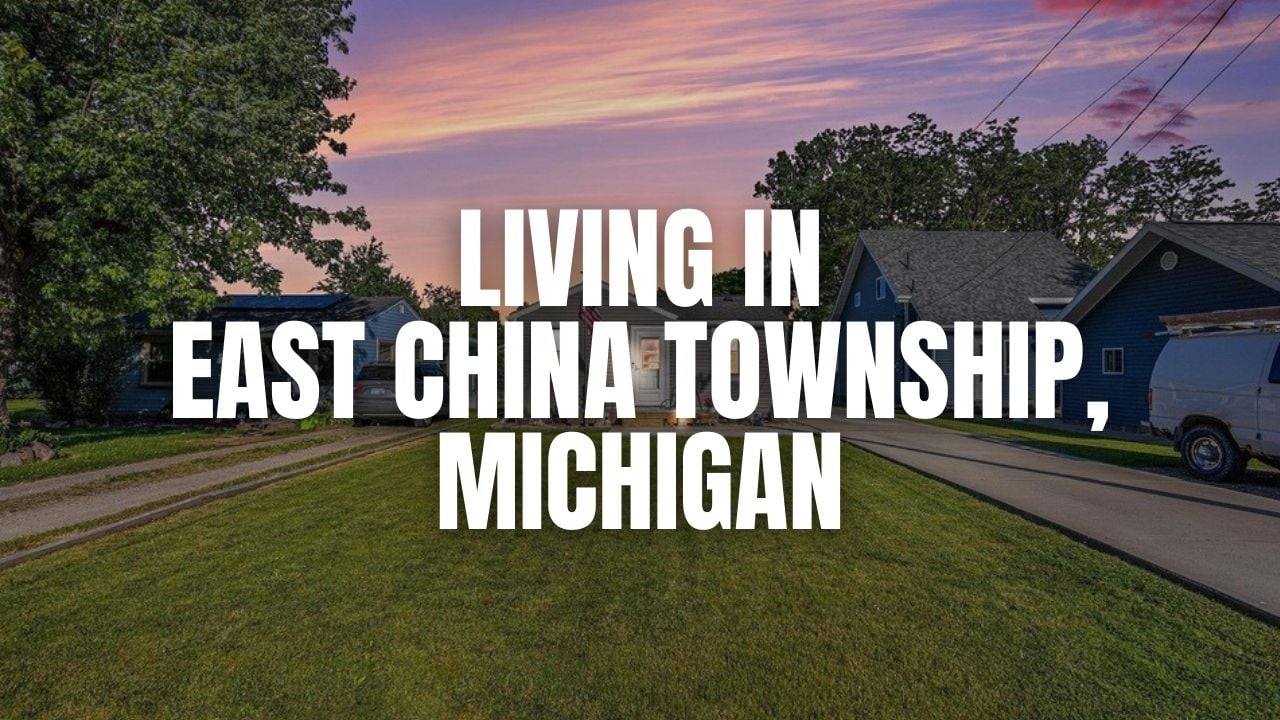
Cost of Living in East China Township, Michigan
Cost of living in East China Township is generally consistent with many rural and semi-rural communities in eastern Michigan.
According to U.S. Census Bureau housing data, home values in the township tend to be below or near the statewide median, depending on location and proximity to the river.
BestPlaces.net reports that overall cost of living in St. Clair County is below the national average. Housing costs are typically the largest factor contributing to affordability in the region.
Utilities and transportation costs are generally comparable to the Midwest regional averages reported by the Bureau of Labor Statistics.
Niche.com notes that many residents appreciate the balance between affordability and access to nearby cities like Port Huron and Detroit.
Real Estate & Housing Overview
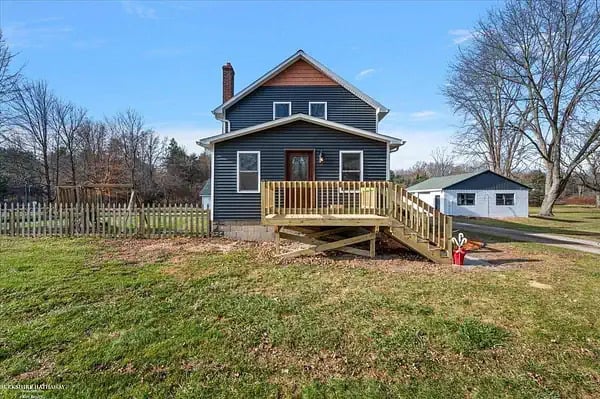
The housing market in East China Township reflects its rural setting.
According to U.S. Census Bureau housing data:
Many homes were built between the 1960s and early 2000s
Owner-occupied properties make up the majority of housing units
Larger lot sizes are common compared with suburban developments
Typical housing styles include:
Ranch-style homes
Two-story traditional homes
Waterfront properties along the St. Clair River
Homes on multi-acre parcels in rural areas
Some newer construction homes have been built in recent years, but large-scale subdivision development is limited compared with fast-growing suburban counties.
Local MLS trends indicate a steady market with demand often influenced by waterfront access and acreage.



Living in Ira Township, Michigan: Pros, Cons, Cost …
Thinking about living in Ira Township, Michigan?…
Thinking About Greenwood Township (St. Clair County), Michigan? …
Thinking about living in Greenwood Township, Michigan?…
Grant Township (St. Clair County), Michigan Living Guide: …
Considering a move to Grant Township, Michigan?…