
Introduction
If you're looking for a quieter pace of life in Southeast Michigan, Brown City, Michigan may be on your radar.
This small community in Lapeer County offers a rural atmosphere, straightforward housing options, and access to larger cities within driving distance. People who consider Brown City are often looking for space, affordability, and a tight-knit local feel.
Let’s walk through what it’s actually like to live here — including cost of living, real estate trends, commute context, schools, and day-to-day lifestyle considerations — so you can decide if it aligns with your goals.
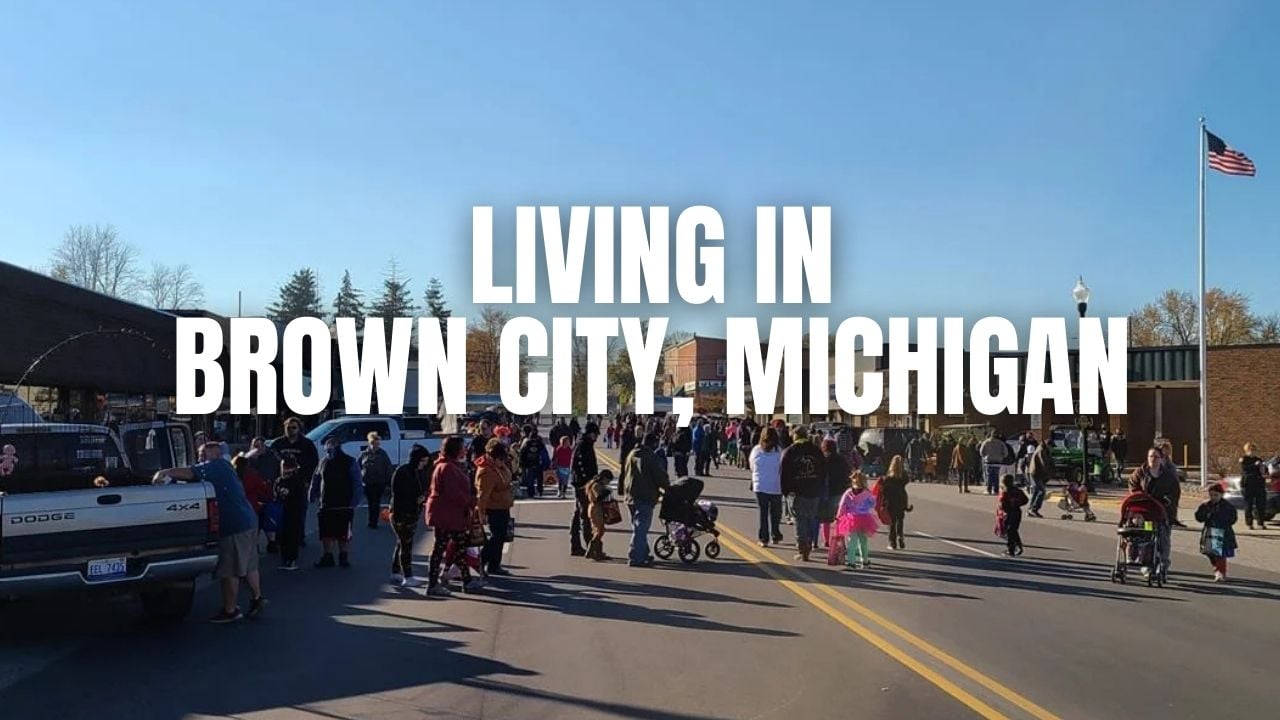
Cost of Living in Brown City, Michigan
One of the most notable aspects of Brown City is affordability.
According to U.S. Census Bureau data, median household income levels are lower than the Michigan statewide median, and home values reflect that local market scale. Niche.com reports that median home values in Brown City are significantly below the national average.
BestPlaces.net indicates that the overall cost of living in Brown City is below both the Michigan and U.S. averages.
Utilities and transportation costs generally align with broader Midwest averages, according to the Bureau of Labor Statistics regional data. Because the area is rural, transportation costs may vary depending on commute distance and fuel usage.
For buyers looking at entry-level price points compared to larger Southeast Michigan suburbs, Brown City often stands out.
Real Estate & Housing Overview
Housing in Brown City consists primarily of single-family homes.
Based on U.S. Census Bureau housing data:
A significant portion of homes were built between the 1940s and 1980s
Owner-occupied housing makes up the majority of properties
Lot sizes tend to be larger than dense suburban areas
Common property types include:
Ranch-style homes
Two-story traditional homes
Manufactured or modular homes on larger parcels
New construction activity is limited compared to high-growth suburban markets. Local MLS data shows a smaller inventory pool, meaning available listings can fluctuate depending on season and overall market conditions.
Because the housing stock is older overall, buyers often consider condition, updates, and infrastructure improvements when evaluating homes.
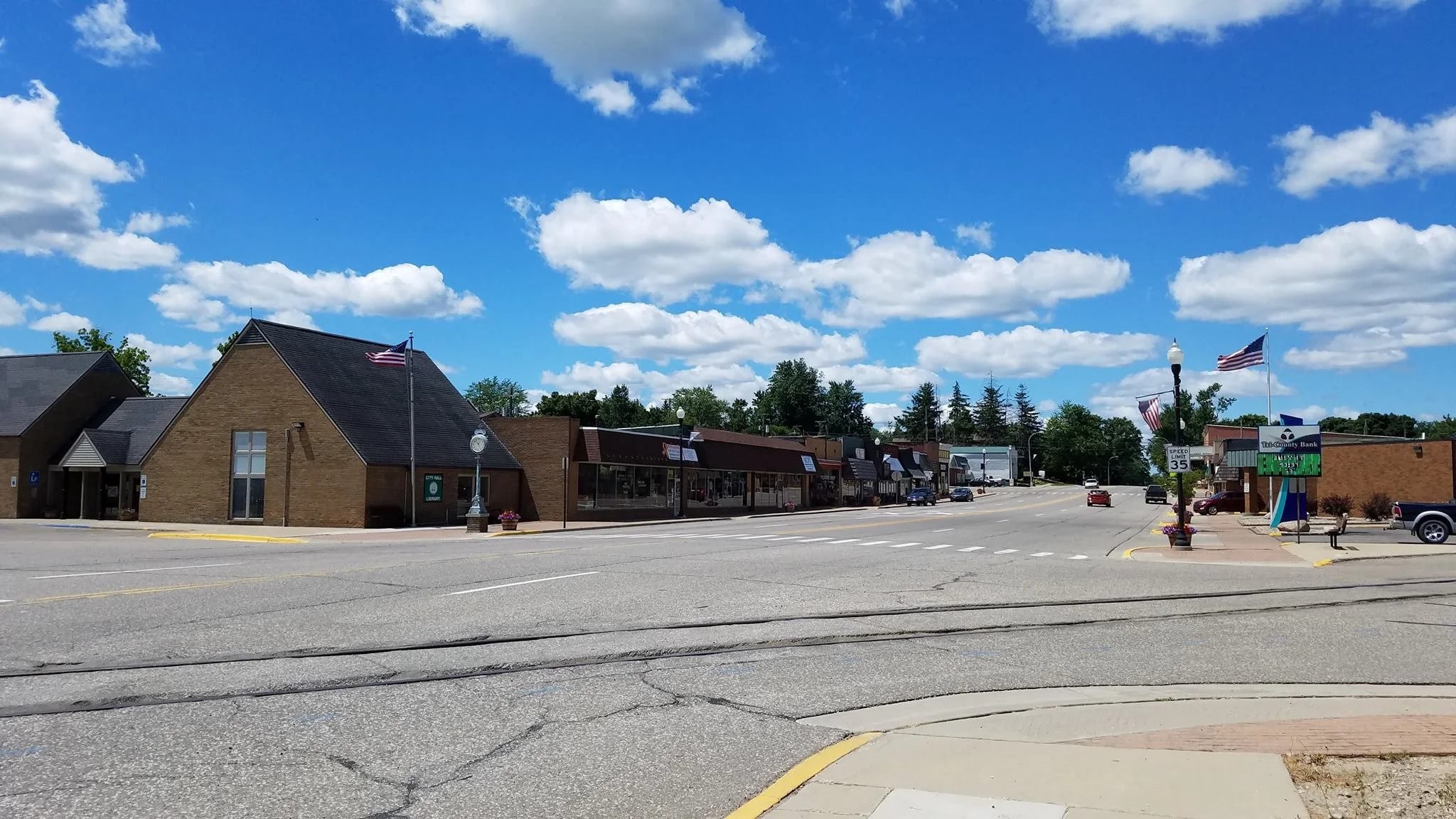



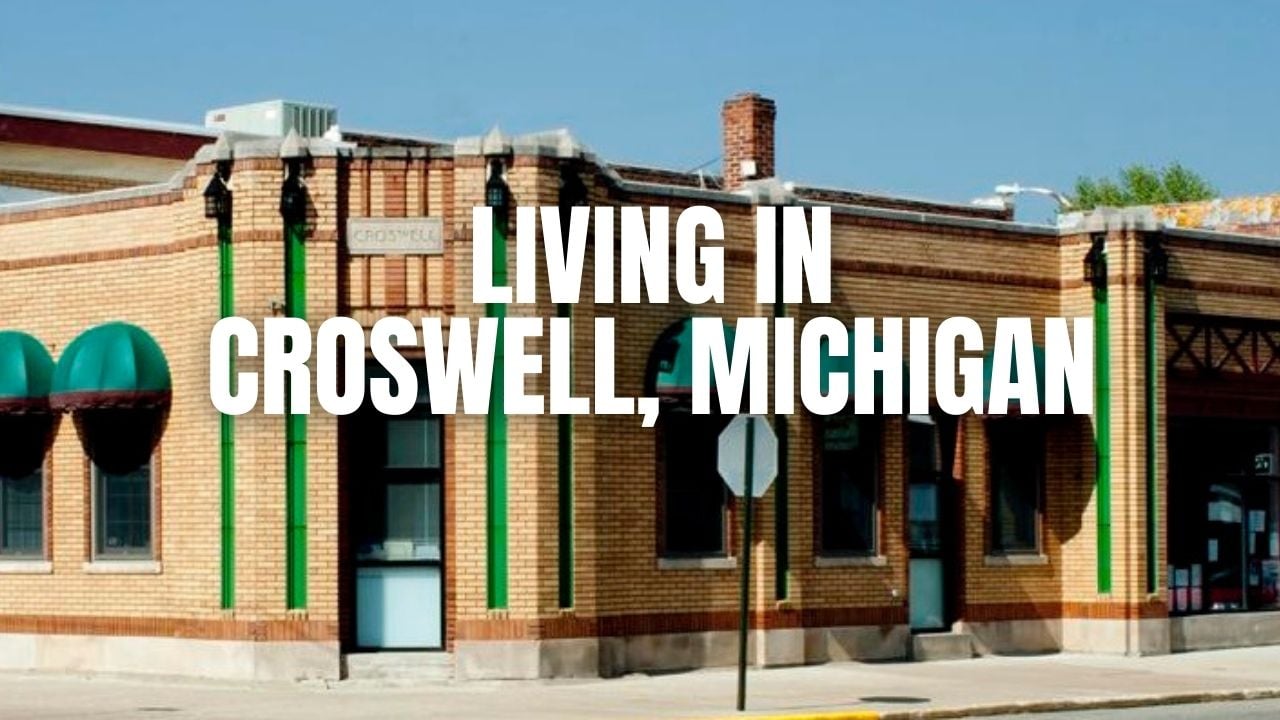
Croswell, Michigan: Best Neighborhood Pockets + Pros/Cons for …
Considering a move to Croswell, Michigan? This…
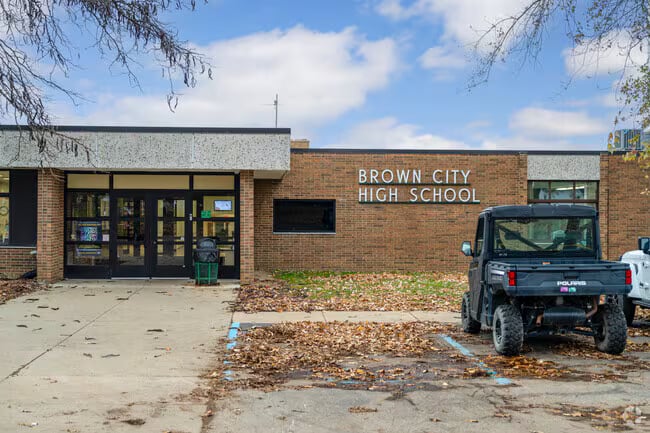
Brown City, Michigan: What It’s Like to Live …
Considering a move to Brown City, Michigan?…
Before You Move to St. Charles, Michigan: The …
Thinking about relocating to St. Charles, Michigan?…