
Introduction
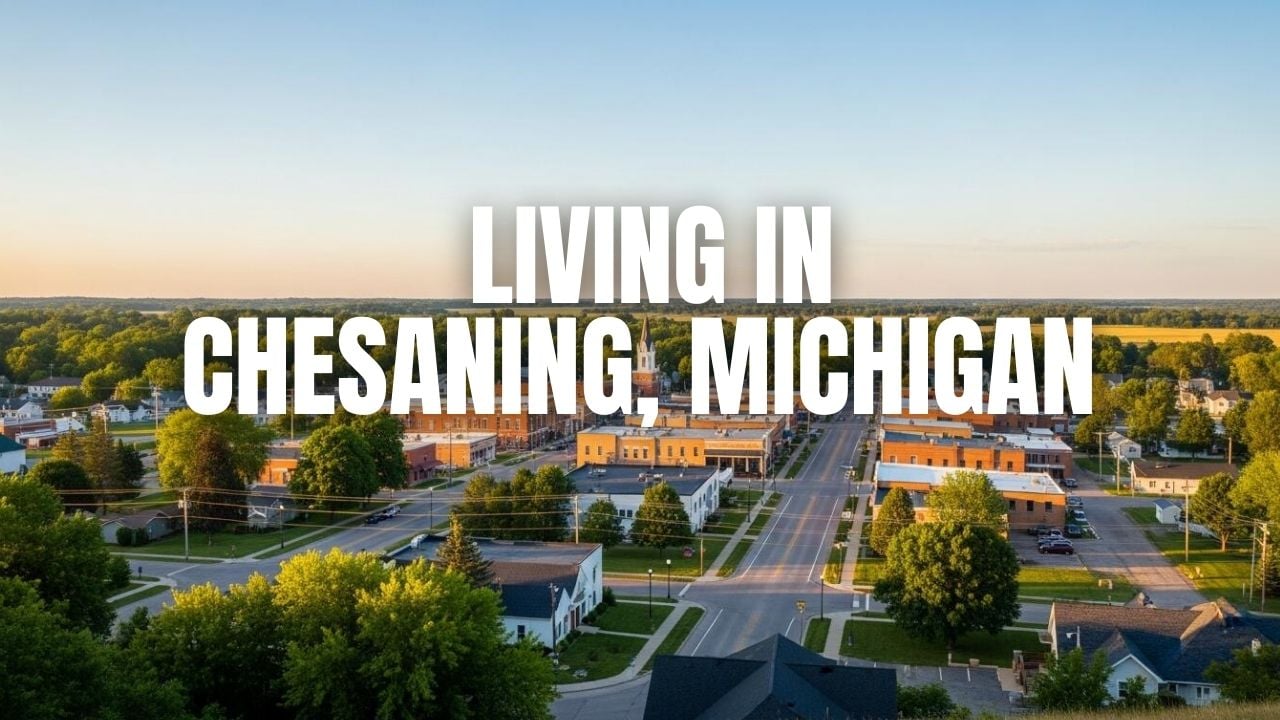
If you’re searching for a quieter Michigan village with historic charm and riverfront views, Chesaning, Michigan may be on your radar.
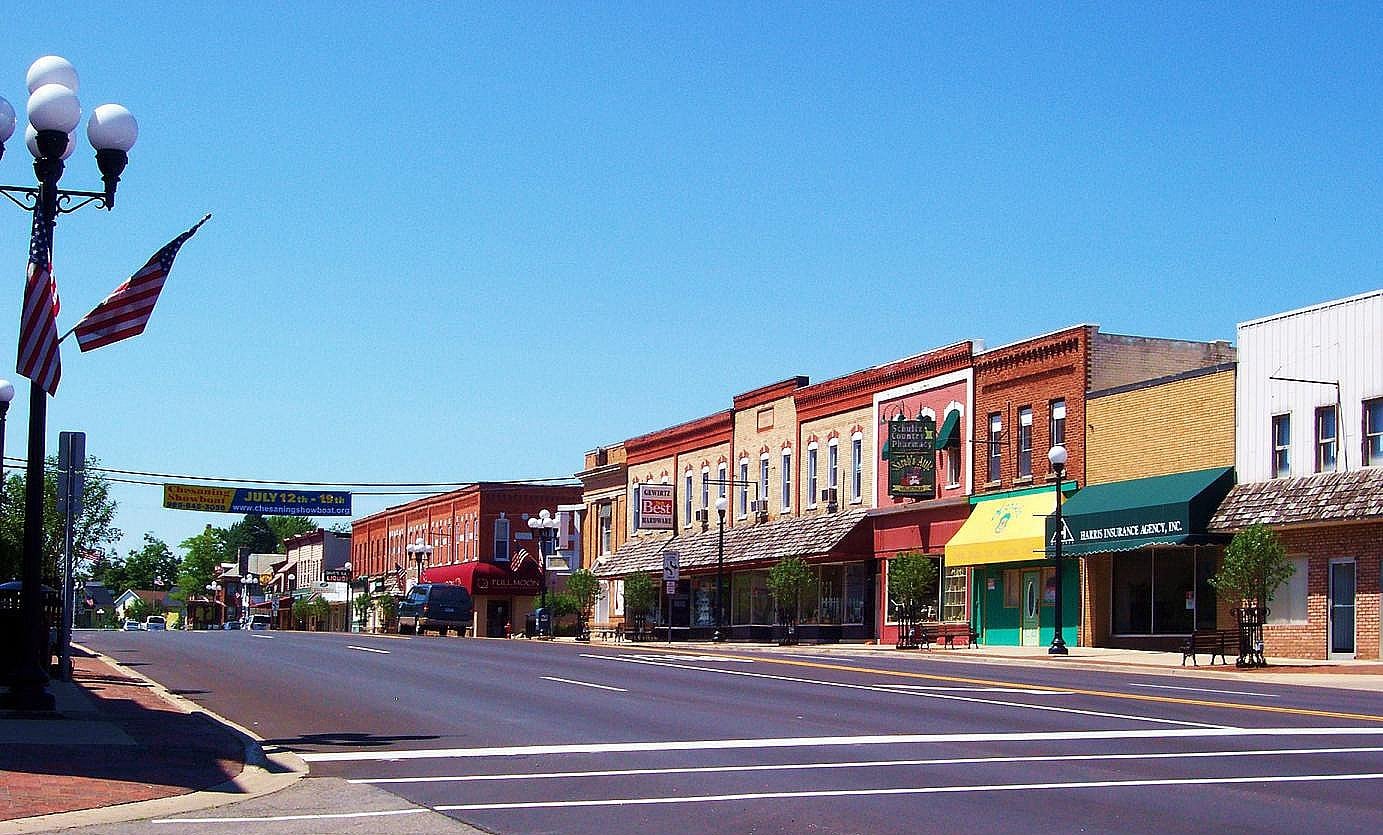
Located along the Shiawassee River, this small community offers a slower pace of life compared to larger cities. Some people are drawn to the walkable downtown and annual events. Others appreciate the surrounding farmland and open space.
Let’s take an honest look at what living in Chesaning is really like — including cost of living, housing, schools, property taxes, and everyday lifestyle considerations.
Cost of Living in Chesaning, Michigan
Cost of living is often one of the biggest reasons people consider smaller Michigan villages.
According to BestPlaces.net, Chesaning’s overall cost of living index is below the national average. Housing costs, in particular, tend to be lower than statewide and national averages.
U.S. Census Bureau data shows that median home values in Chesaning are significantly below Michigan’s statewide median. Niche.com also reports relatively affordable housing compared to many suburban markets.
Utilities and transportation expenses are generally aligned with regional Midwest averages, according to Bureau of Labor Statistics data.
As always, your individual costs will depend on property size, energy usage, and commuting distance.
Real Estate & Housing Overview
Chesaning’s housing stock reflects its small-village history.
According to U.S. Census Bureau data:
Many homes were built between the 1940s and 1980s
Owner-occupied housing makes up a large portion of properties
Lot sizes are generally larger than those found in dense suburban developments
You’ll find:
Traditional two-story homes near downtown
Ranch-style homes in established neighborhoods
Rural properties with acreage outside the village limits
New construction exists but is limited compared to high-growth suburban areas. Based on local MLS trends, inventory levels can fluctuate due to the smaller market size.
Because Chesaning is a smaller community, the number of homes available at any given time may be lower than in larger cities.




Michigan's FASTEST Growing Towns Are Losing Value (Here's …
Michigan is growing, but home prices are…
The Most Connected Home in Brighton, Michigan | …
6280 Beth Rd, Brighton, MI: move-in-ready 3-bed,…