Moving to Metro Detroit can look pretty straightforward from the outside. You find a house you like, compare school districts and commute times, figure out which suburb makes the most sense and start packing.
Then you actually live here.
Suddenly you're learning why your property tax bill changed after buying the house, why your car insurance quote changed when you moved a few miles, why the road leading to a beautiful subdivision is still gravel and why making a left turn sometimes requires driving past the intersection first.
Those are the things I want to talk about here.
This isn't another list complaining about Michigan weather, mosquitoes or traffic. If you're thinking about moving to Metro Detroit, these are some of the less obvious things about living in Southeast Michigan that can genuinely surprise people after they arrive.
Quick answer: Metro Detroit can be a great place to live, but relocating here comes with some unusual systems and local quirks. Property taxes can change after a home sells, some cities levy their own income tax, Michigan uses a no-fault auto insurance system, many suburban homes use wells and septic systems, township roads are often controlled at the county level and much of the region was designed around driving rather than walking.
None of these things are necessarily reasons not to move here. They are simply things you should understand before choosing where to live.
1. Your Michigan Property Taxes Can Change After You Buy the House

This is probably one of the most important things for anyone buying a home in Michigan to understand.
In many Michigan communities, homeowners receive separate summer and winter property tax bills. But the bigger surprise isn't necessarily when the bills arrive. It's what can happen to the home's taxable value after ownership changes.
Michigan limits how quickly the taxable value of an owned property can increase from year to year. However, when a qualifying transfer of ownership occurs, that taxable value generally becomes uncapped in the following calendar year.
That means the property taxes paid by the previous owner may not accurately represent what you will eventually pay.
If someone owned a Metro Detroit home for 20 years, their taxable value may be significantly below the property's current state equalized value. Once that home sells, the new owner can see a noticeable increase in property taxes after the taxable value resets.
The takeaway: when buying a home in Michigan, don't build your budget around the seller's current property tax bill. Estimate what your taxes could look like after the property's taxable value uncaps.
2. Some Metro Detroit Cities Have Their Own Income Tax

Another surprise for people relocating from out of state is that certain Michigan cities levy a city income tax.
Detroit is the most notable Metro Detroit example. Detroit residents are generally subject to a 2.4% city income tax, while nonresidents who earn taxable income in the city are generally subject to a 1.2% rate.
Other Michigan cities also levy local income taxes, including nearby communities such as Pontiac, Highland Park and Hamtramck, although rates vary.
This becomes particularly important if you're deciding between living and working in different parts of Wayne, Oakland or Macomb County.
The takeaway: before choosing a community, look at more than property taxes. Your municipality and your place of employment can also affect your overall tax picture.
3. Michigan Car Insurance Can Be a Major Relocation Expense

Michigan operates under a no-fault auto insurance system, and car insurance is one expense that can surprise people moving to Metro Detroit.
Michigan's auto insurance system changed substantially after reforms enacted in 2019, including new Personal Injury Protection coverage options and restrictions on certain rating factors.
However, where you live can still affect your premium. Michigan insurers cannot simply base rates on ZIP codes, but insurers can use approved geographic territories as part of their rating systems.
That means two people with otherwise similar vehicles and driving histories can potentially receive very different quotes depending on where they live.
The takeaway: get an actual insurance quote for the address you're considering before buying a home. Don't assume your current premium will follow you to Metro Detroit.
4. You May Not Get to Choose Your Trash Company

This one sounds small until you move somewhere where it applies.
Some Metro Detroit municipalities and townships negotiate community-wide contracts with a specific waste hauler rather than having every homeowner independently choose a company.
Depending on the community, trash service may be contracted by the municipality, included through local fees or handled differently from a neighboring city or township.
If you're coming from somewhere where you simply call whichever trash company offers the best price, this arrangement can feel strange at first.
It's also a good example of why two communities that sit five miles apart can operate very differently in Michigan.
5. Well Water and Septic Systems Are More Common Than Many Buyers Expect

You can buy a beautiful house in a high-demand Metro Detroit suburb and still discover that it doesn't have municipal water or sewer.
Private wells and septic systems are common throughout Michigan, particularly as you move into more rural and semi-rural portions of Oakland, Macomb, Livingston, Washtenaw and surrounding counties.
According to the Michigan Department of Environment, Great Lakes, and Energy, roughly 35% of Michigan residents are served by private septic systems.
For buyers relocating from highly developed metropolitan areas, that can be a major adjustment.
A private well means the homeowner is responsible for the water system. A septic system requires maintenance, pumping and eventual replacement when components reach the end of their useful life.
None of that automatically makes a property undesirable. Plenty of Michigan homeowners prefer well and septic systems. You simply want to know what you're buying and have the appropriate inspections completed.
The takeaway: never assume a suburban Michigan home has municipal water and sewer simply because the surrounding homes are expensive or densely developed.
6. Michigan Townships Don't Control Their Roads the Way You Might Expect
This explains one of the strangest things about driving through Southeast Michigan.
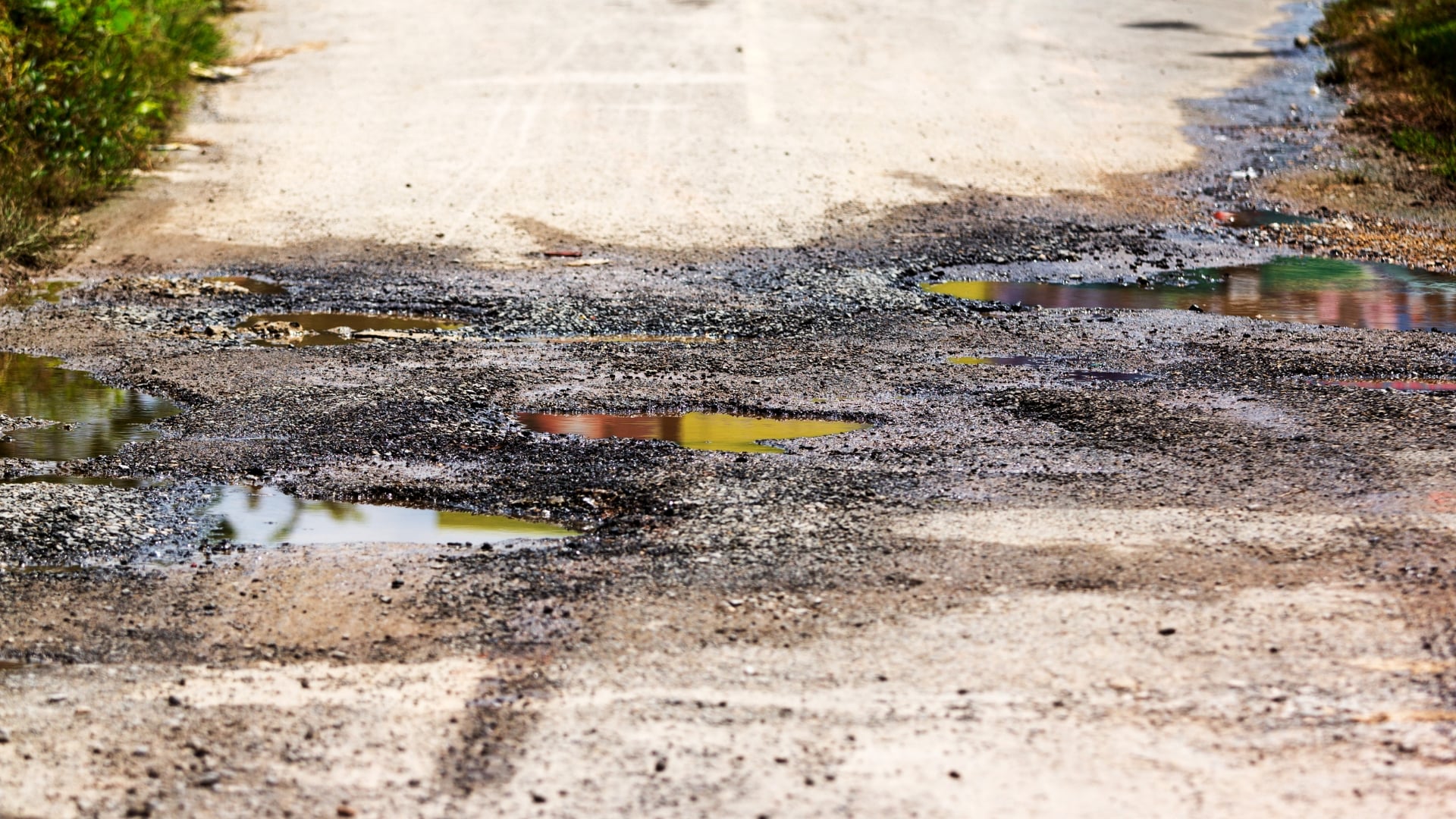
You can leave a freshly paved main road, turn into an expensive neighborhood and suddenly find yourself driving on gravel.
Under Michigan's road system, townships generally do not have jurisdiction over roads. Township roads are typically under the jurisdiction of a county road agency, while state highways are controlled by the Michigan Department of Transportation.
That division of responsibility is one reason road conditions can change dramatically from one area to another.
It also explains why residents sometimes complain to their township about a road only to discover that the township isn't actually the agency responsible for maintaining it.
7. You Will Eventually Learn to Love—or at Least Understand—the Michigan Left
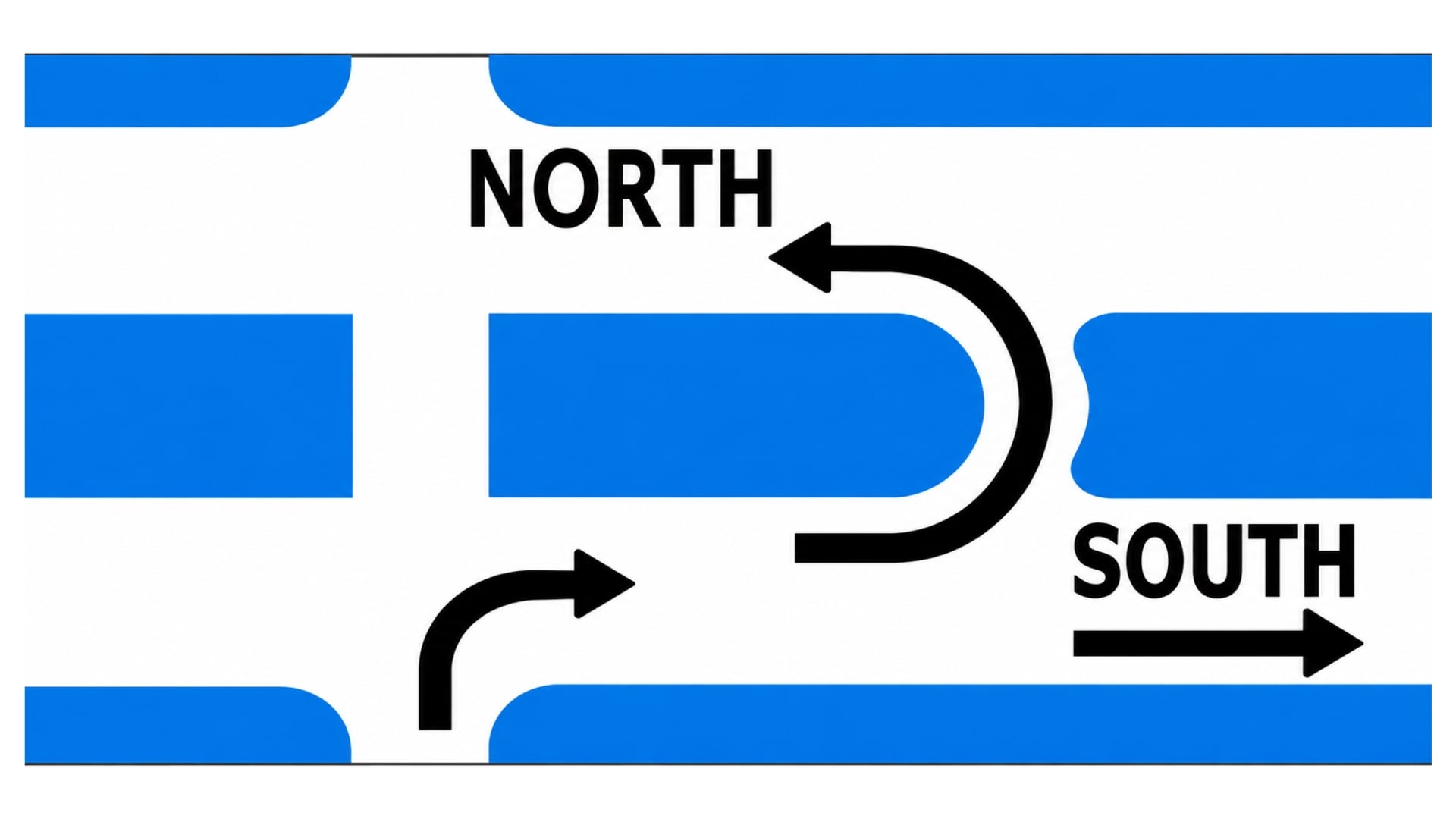
If you've never driven in Metro Detroit, the Michigan Left can look completely backwards.
Instead of turning left directly through certain major intersections, drivers continue through the intersection, enter a designated median turnaround and make a U-turn before heading in the intended direction.
They're especially common along Metro Detroit's major divided roads.
The first few times you use one, you'll probably wonder why you had to drive past the road you wanted to turn onto just to come back to it.
After living here for a while, you barely think about it.
If you're searching "what is a Michigan Left?" before moving here, just know that you'll get plenty of practice.
8. Road Construction Seems to Happen Everywhere at Once
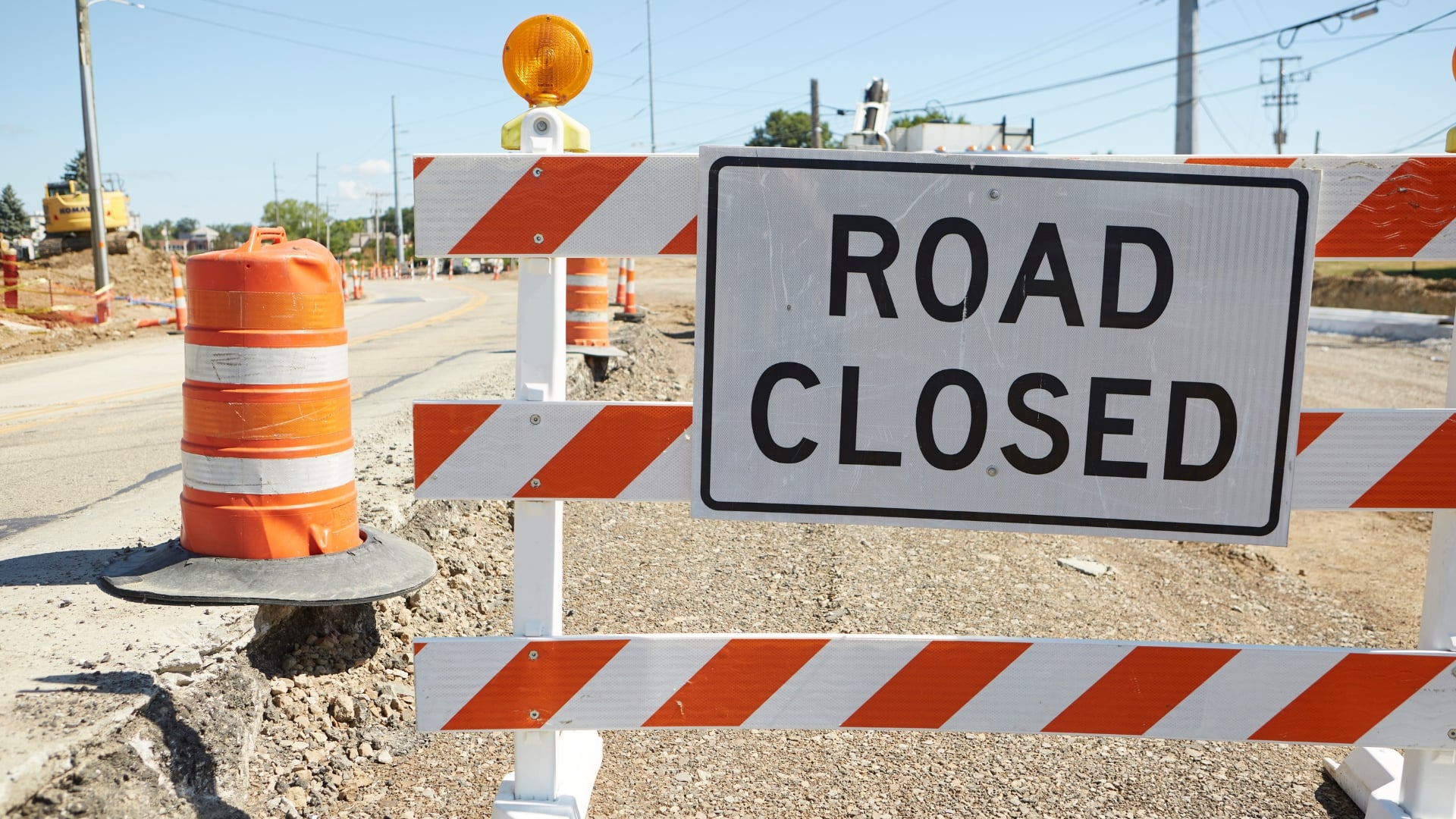
Every Metro Detroiter eventually experiences the same phenomenon.
For months, the roads seem relatively normal. Then construction season arrives and suddenly the freeway, the alternate freeway and the road you were planning to use as your detour all appear to be under construction at the same time.
There's a practical reason for some of this. Michigan has a limited road construction season, projects operate around annual budgets and funding cycles and major repairs have to be completed while weather conditions cooperate.
But when you're living here, that doesn't make the detour feel any shorter.
It's particularly noticeable in growing communities where officials are trying to balance additional traffic with the character that attracted people there in the first place.
Places throughout Livingston, Oakland and Macomb counties continue to deal with that push and pull between growth, infrastructure and preserving a more suburban or small-town feel.
9. Power Outages Are Something Metro Detroit Homeowners Actually Plan Around
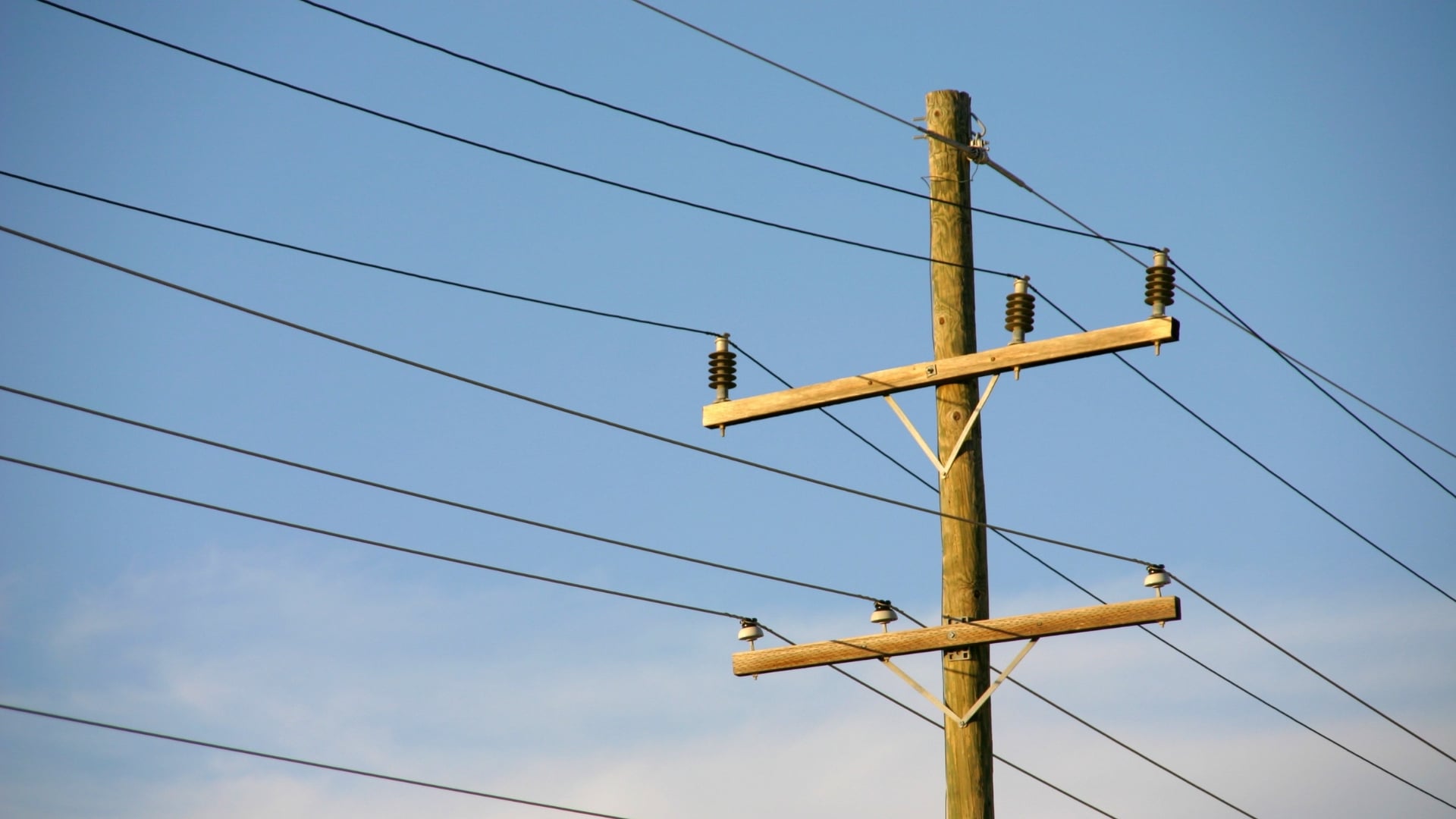
If you're moving into DTE Energy territory, you'll probably hear about backup generators sooner or later.
Michigan regulators have spent years focused on improving electric-grid reliability, and recent data shows that DTE has made meaningful improvements in restoration times and overall reliability.
That said, severe storms can still create very large outages. In July 2026 alone, the Michigan Public Service Commission reported major DTE outage events affecting hundreds of thousands of customers.
For homeowners who work remotely, have a basement sump pump, rely on medical equipment or simply don't want to lose a refrigerator full of food, backup power is worth considering.
Depending on the property, that may mean a portable generator, an interlock setup, a whole-house standby generator or another backup-power solution.
The takeaway: when budgeting for homeownership in Metro Detroit, emergency power can be a legitimate home-improvement consideration rather than an unusual luxury.
10. One Metro Detroit Neighborhood Can Have Wildly Different Homes
This is something listing photos don't always prepare buyers for.
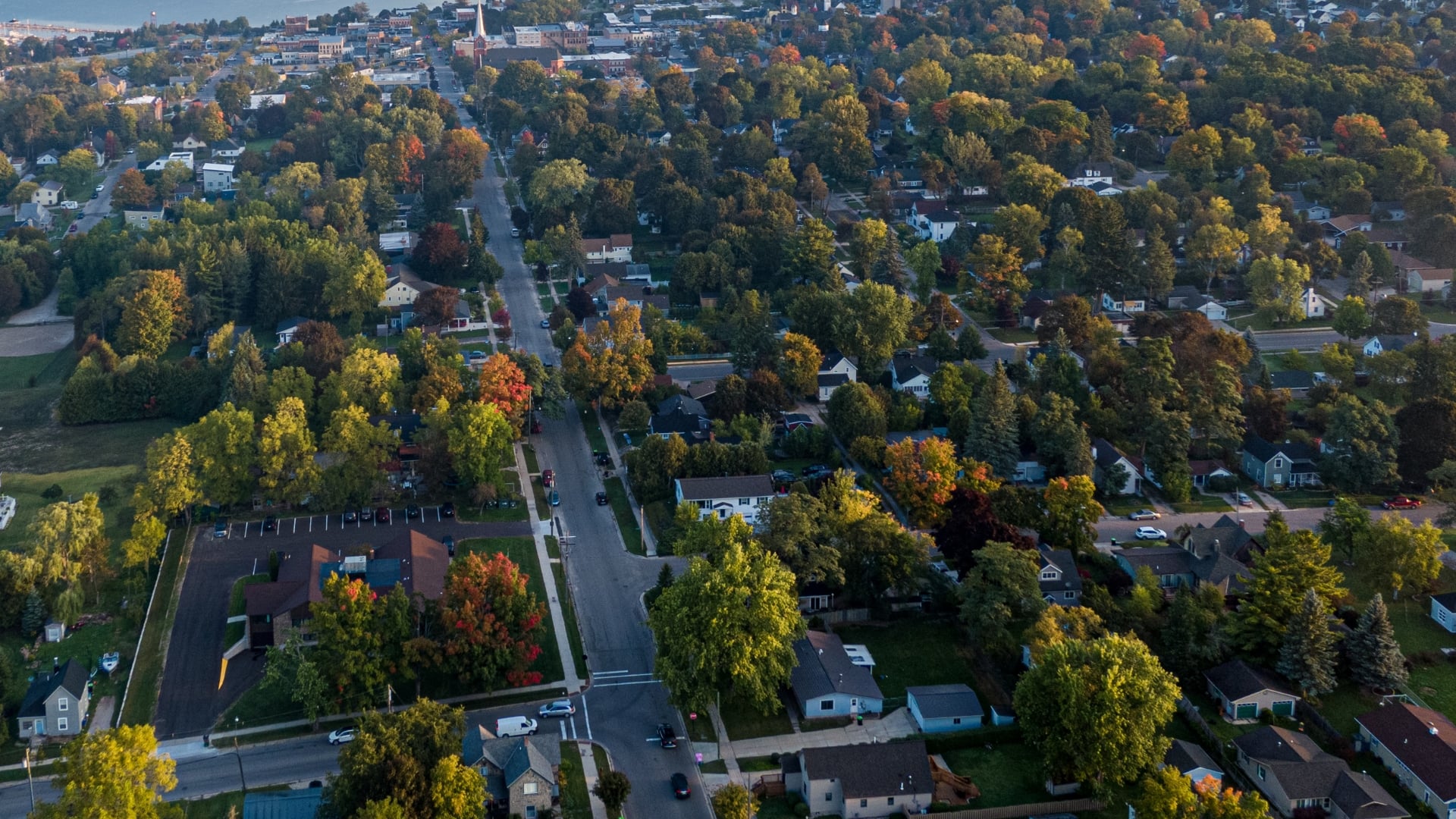
Many Metro Detroit communities were developed gradually over decades rather than being built by one developer during one construction cycle.
Because of that, housing stock can change dramatically from street to street.
You might find a 1950s ranch, a newer 3,000-square-foot colonial, a lakefront property, a condo development and a brand-new custom home within the same municipality.
This is especially noticeable in older communities and larger townships where development occurred in stages.
That can be a huge positive if you like variety. It can also surprise buyers coming from master-planned communities where almost every house was constructed within the same 10-year period.
If architectural consistency and neighborhood rules are important to you, newer subdivisions or HOA-governed communities may be worth exploring. Just make sure you review the association's financials, restrictions, dues and bylaws before purchasing.
11. Metro Detroit Has Strong Suburban Bubbles
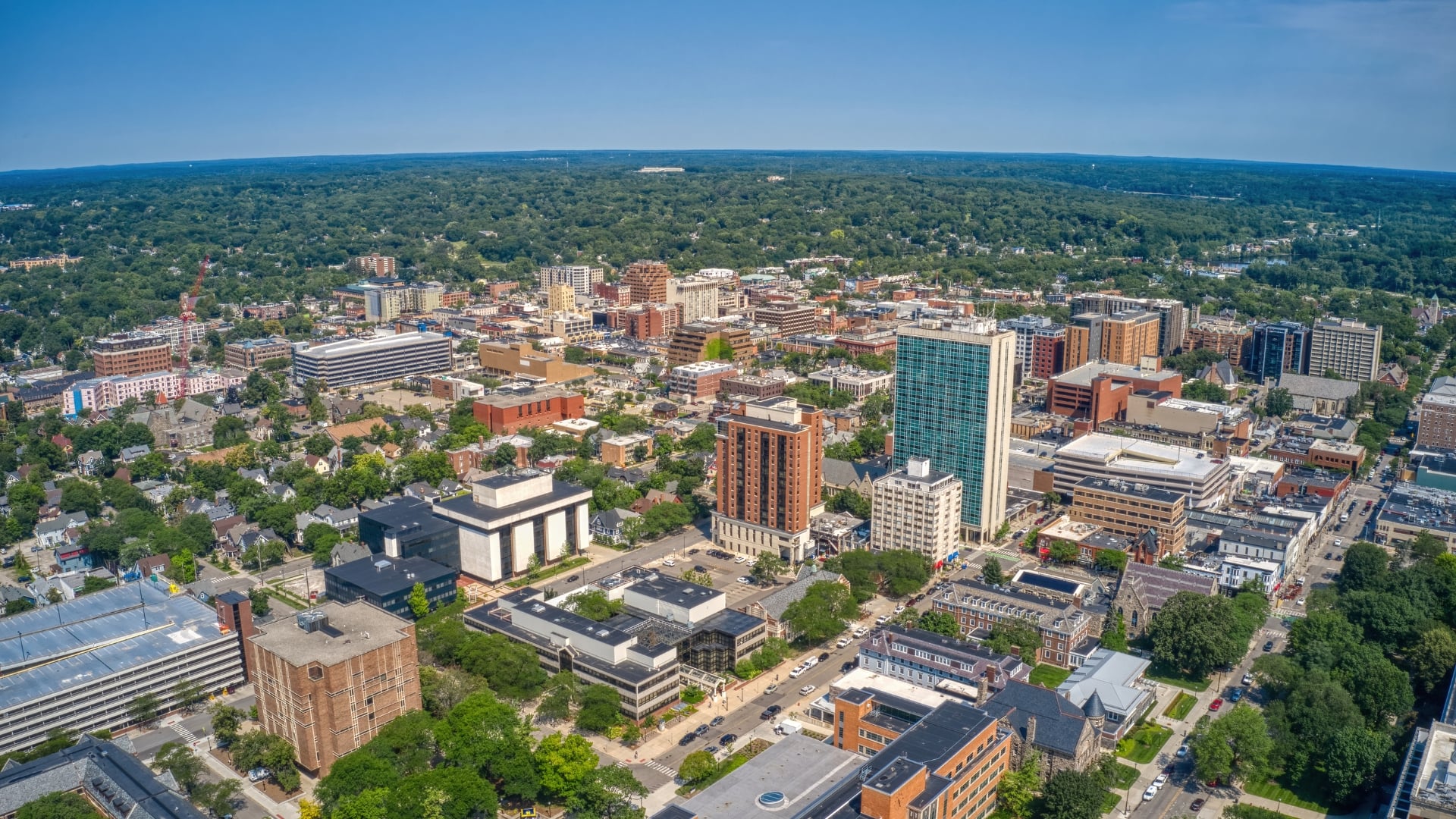
Metro Detroit is geographically huge, but socially it can sometimes feel surprisingly small.
Individual areas develop their own identities. You'll hear people refer to the Grosse Pointe bubble, the Birmingham and Bloomfield area, different parts of Macomb County, Downriver and dozens of other smaller geographic identities.
A lot of people who grew up here remain close to the same communities, schools, friends and family they have known for decades.
As someone who grew up in Brighton, I've experienced that myself.
There can be something incredibly comforting about that familiarity. At the same time, someone relocating to Michigan as an adult may notice that established social circles can take a little more effort to break into.
It's not necessarily good or bad. It's simply part of the culture of a region where many families have lived for generations.
12. Metro Detroit Is Extremely Car-Oriented
If you're moving here from Chicago, New York, Washington D.C. or another region built around public transportation and walkable neighborhoods, this might be one of the biggest lifestyle adjustments.
Much of suburban Metro Detroit developed around the automobile.
That means wide roads, large parking lots, shopping centers, subdivisions and commercial corridors spread across a huge geographic area.
You'll find walkable downtowns in places such as Birmingham, Royal Oak, Plymouth, Rochester, Northville and several other communities, but they don't represent the majority of the region.
In many suburbs, owning a vehicle makes daily life dramatically easier.
That isn't particularly surprising when you remember that this is the region that helped put America behind the wheel in the first place.
13. Sometimes the Sidewalk Literally Just Ends

Car-oriented development creates another strange Metro Detroit experience: sidewalks that seem to go nowhere.
You can be walking along a perfectly normal sidewalk when it suddenly ends at a major road, drainage ditch or intersection without the pedestrian connection you expected.
In some neighborhoods, a grocery store might only be half a mile away geographically but difficult or unpleasant to reach on foot because the route involves crossing a multilane road.
This varies enormously by community.
If walkability matters to you, don't judge a home based purely on the distance Google Maps shows between the property and nearby businesses. Look at the actual pedestrian route, crossings, sidewalks and road layout.
14. Michigan's Cannabis Industry Is Very Visible

Michigan's adult-use cannabis market has grown substantially since recreational retail sales began in late 2019.
The state's Cannabis Regulatory Agency now oversees a large network of licensed adult-use businesses, and dispensaries are a visible part of the commercial landscape in many Michigan communities.
How noticeable they are depends heavily on the municipality because local governments have significant differences in where—and whether—these businesses operate.
Some newcomers barely notice them. Others are surprised by how frequently they appear along certain commercial corridors.
Either way, it is one of those changes in Michigan's retail landscape that people moving back after 10 or 20 years often notice immediately.
15. You Need to Learn What "Up North" Means—and How to Use Your Hand as a Map
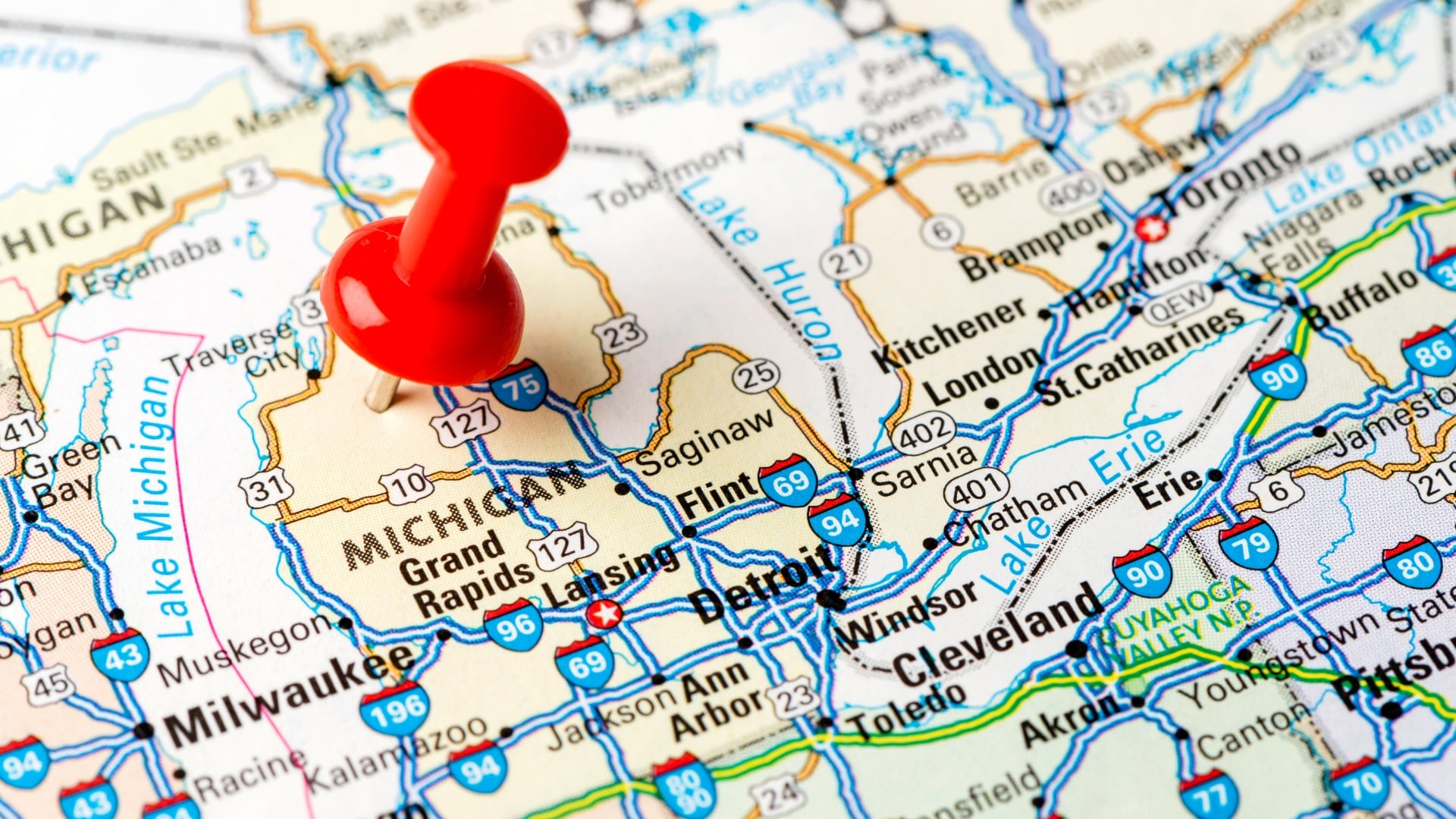
This is probably the least expensive surprise on the list, but it might be the most Michigan thing here.
Ask someone from Michigan where a city is located and there's a decent chance they'll point to a spot on their hand.
The Lower Peninsula looks enough like a mitten that Michiganders routinely use their right hand as a map.
Then there's "Up North."
Up North isn't one specific destination.
For one family it might mean Traverse City. For another it might mean Gaylord, Oscoda, Houghton Lake, Petoskey or a cabin that's been in the family for generations.
During summer weekends, especially around holidays, large numbers of Southeast Michigan residents head north toward cottages, campgrounds, lakes and small towns throughout the northern Lower Peninsula.
That tradition is a major part of Michigan culture.
Once you've lived here long enough, eventually you stop asking where "Up North" starts and just accept that everybody somehow knows what it means.
So Is Living in Metro Detroit Worth It?
Metro Detroit isn't perfect, and that's really the point of this article.
If you're considering moving to Michigan, you deserve more than the highlight reel.
You should know that property taxes can change after you buy. You should know that some cities levy an income tax. You should understand Michigan auto insurance, check whether a house uses well and septic, look at the actual roads surrounding a property and understand how walkable—or unwalkable—the community really is.
But you should also understand why so many people stay.
Metro Detroit gives you access to major employers, professional sports, restaurants, lakes, established suburbs, historic neighborhoods, growing downtowns and an enormous variety of housing without forcing every community to feel exactly the same.
Michigan itself has always had an interesting tension between tradition and reinvention.
There are families who have visited the same Up North cabin for 50 years sitting alongside cities and industries that are constantly trying to build whatever comes next.
That's part of what makes living here interesting.
The frustrating things—the roads, the patchwork neighborhoods, the power outages and the strange local systems—aren't the whole story. They're simply part of understanding what life here actually looks like.
Frequently Asked Questions About Moving to Metro Detroit
What should I know before moving to Metro Detroit?
Before moving to Metro Detroit, pay particular attention to property taxes after a home changes ownership, auto insurance costs, city income taxes, commute routes, road conditions, utility providers and whether the property has municipal water and sewer or a private well and septic system. You should also consider how important walkability is to you because many Metro Detroit suburbs are highly car-dependent.
What areas are considered Metro Detroit?
Metro Detroit generally centers around Detroit and the surrounding Southeast Michigan counties. Wayne, Oakland and Macomb counties make up the traditional core, while relocation searches frequently extend into nearby Livingston, Washtenaw, Monroe and St. Clair counties depending on commute, housing and lifestyle preferences.
Is Metro Detroit a good place to live?
Whether Metro Detroit is a good fit depends on what you value. The region offers a wide range of housing, established suburbs, downtown districts, lakes, parks, major employers, entertainment and access to the rest of Michigan. The tradeoffs can include car dependence, property tax complexity, road construction and significant differences between communities that sit relatively close to one another.
Why do Michigan property taxes go up after buying a house?
Michigan limits annual increases in a property's taxable value while the same owner holds the property. After a qualifying transfer of ownership, the taxable value generally uncaps in the following calendar year and is reset based on the property's state equalized value. That's why a new homeowner's eventual tax bill can be higher than the amount the previous owner was paying.
Does Detroit have a city income tax?
Yes. Detroit levies a city income tax. The general individual rate is 2.4% for Detroit residents and 1.2% for nonresidents earning taxable income in Detroit. Several other Michigan cities also levy local income taxes, so where you live and work can affect your tax obligations.
Why is car insurance expensive in Michigan?
Michigan uses a no-fault auto insurance system that includes Personal Injury Protection coverage. Reforms enacted in 2019 created additional PIP choices and changed several rating rules, but insurance premiums can still vary substantially depending on the driver, vehicle, coverage selections, insurer and geographic territory.
Do you need a car to live in Metro Detroit?
For most suburban Metro Detroit residents, having access to a vehicle makes life much easier. There are walkable downtowns and public transportation options in portions of the region, but many residential and commercial areas were designed around driving. If living without a car is important to you, choose your specific neighborhood carefully rather than assuming an entire city is walkable.
Are well water and septic systems common around Metro Detroit?
Yes, particularly in less densely developed portions of Oakland, Macomb, Livingston, Washtenaw and other surrounding counties. Michigan estimates that roughly 35% of residents statewide are served by private septic systems. Always verify the water and sewer setup for an individual property before purchasing.
Why are there so many gravel roads in Metro Detroit suburbs?
Michigan's road jurisdiction system is part of the explanation. Townships generally do not control their own roads; township roads are typically under county jurisdiction unless they are state highways. Combined with decades of suburban and rural development, that can result in gravel roads remaining in otherwise heavily developed or expensive areas.
What is a Michigan Left?
A Michigan Left is an intersection design where drivers pass through an intersection, use a median turnaround and then travel back toward the intersection rather than making a traditional direct left turn. They are particularly common on major divided roads throughout Metro Detroit.
Does Metro Detroit get a lot of power outages?
Severe storms can cause significant outages in Southeast Michigan, particularly in areas served by overhead distribution lines. Michigan regulators have pushed utilities to improve reliability, and DTE has recently reported substantial improvements in restoration performance. Even so, major storm-related outages still occur, so some homeowners choose backup generators or other emergency power systems.
Is Metro Detroit walkable?
Parts of Metro Detroit are very walkable, especially certain downtown districts and older neighborhoods. The region as a whole, however, is highly car-oriented. If walkability matters to you, evaluate the specific neighborhood rather than the municipality alone, including sidewalks, crossings, nearby businesses and the width of surrounding roads.
What does "Up North" mean in Michigan?
"Up North" is an informal Michigan term for traveling to the northern part of the state for cottages, lakes, camping, boating and vacations. It doesn't have one universally accepted boundary. The definition changes depending on where someone lives and where their family traditionally travels.
What are the biggest surprises when relocating to Southeast Michigan?
The surprises people mention most often include Michigan's property tax uncapping system, city income taxes in certain communities, auto insurance, well and septic systems, gravel roads, the Michigan Left, car-oriented suburbs, utility outages and how dramatically housing and neighborhood character can change within a relatively short distance.
Thinking About Moving to Michigan?
If you're considering moving to Michigan—whether that's next month, next year or you're just starting your research—I help buyers and families relocate throughout Metro Detroit and Southeast Michigan.
I've also created a free 74-page Michigan Relocation Guide covering cost of living, communities, housing and many of the things you should understand before choosing where to live.
You can also join the Living in Michigan newsletter for additional Michigan real estate, relocation and local market information that I don't always cover in videos.
And if you're already planning a move, don't hesitate to reach out. Helping people figure out where they actually fit in Michigan is exactly what I do.

Check Out the EXCLUSIVE "Living In Michigan" Apparel HERE

Moving to Metro Detroit? 15 Things Nobody Tells …
Thinking about moving to Metro Detroit? Learn…
Living in Washington Township Michigan: Homes, Cost, Schools, …
Thinking about moving to Washington Township, Michigan?…
A Backyard Pool Retreat in Green Oak Township …
Explore 9925 Timothy Lane in Green Oak…