
Introduction
Au Gres, Michigan is a small waterfront city in Arenac County that sits right along the shores of Lake Huron. With a population under 1,000 residents according to the U.S. Census Bureau, Au Gres is the kind of place people consider when they’re drawn to water views, boating access, and a quieter day-to-day rhythm.
Living here isn’t about constant activity or big-city convenience. Instead, it’s about proximity to the lake, seasonal recreation, and a community where daily life tends to move at a comfortable pace. Before you move, it’s helpful to understand both the benefits and the trade-offs that come with a small coastal Michigan town.
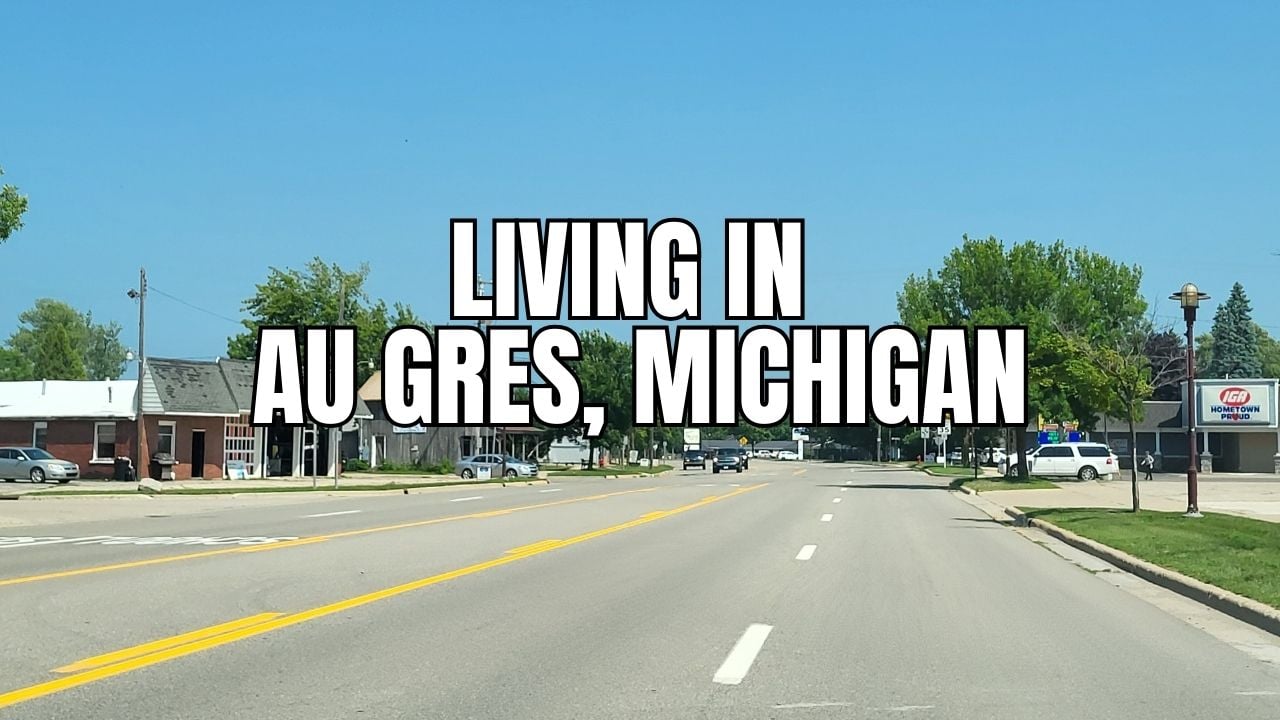
Cost of Living in Au Gres, Michigan
The cost of living in Au Gres is generally lower than national averages but can vary depending on proximity to the water. According to BestPlaces.net, overall living costs in the area are below the U.S. average, with housing playing a significant role in affordability.
U.S. Census Bureau data shows median home values in Au Gres are lower than Michigan’s statewide median, though waterfront and near-water properties often command higher prices than inland homes. Utilities and transportation costs tend to align with rural and small-city Michigan averages, with seasonal energy usage influenced by weather and lake exposure.
Real Estate & Housing Overview
Homes in Au Gres range from modest inland residences to waterfront and marina-adjacent properties. According to U.S. Census Bureau housing data, much of the housing stock was built prior to 1980, with a mix of year-round residences and seasonal-use homes.
Lot sizes vary by location, with denser development closer to the water and more space available farther inland. New construction exists but is limited, and housing inventory can fluctuate significantly throughout the year. As with most small waterfront communities, market activity tends to be steady but low in volume, with no guarantees on timing or availability.




Michigan's FASTEST Growing Towns Are Losing Value (Here's …
Michigan is growing, but home prices are…
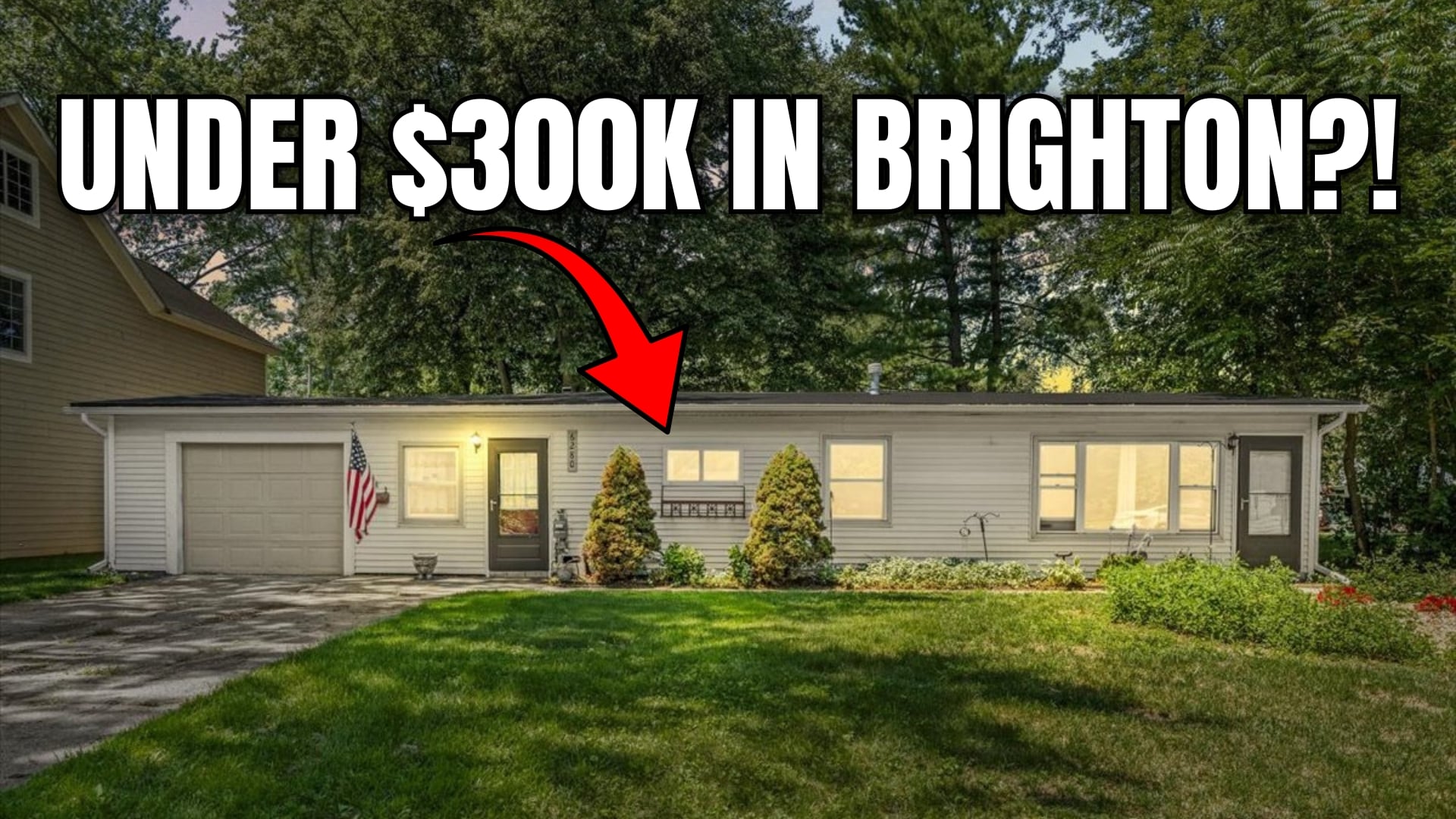
The Most Connected Home in Brighton, Michigan | …
6280 Beth Rd, Brighton, MI: move-in-ready 3-bed,…